






















Why Crypto-Friendliness Matters
As the crypto market surges in this bull cycle (depending on when you’re reading this piece), crypto investors face a pivotal decision – how to minimize their capital gains taxes, where to cash out, and where to reinvest their newfound crypto gains.
Bitcoin, Ethereum, and other digital assets are rising in value. And, millions of dollars in capital gains are accumulating. But in most cases, those crypto profits come with crypto tax liabilities.
In 2024 and beyond, digital asset-friendly countries – essentially, places with favorable tax regimes for crypto but I’ll go into this with more detail in a second – will become crypto tax havens for wealth preservation and strategic investment.
Why does all this matter?
Digital currency has entered the mainstream, but government policies are far from caught up. As crypto adoption grows, regulatory frameworks and capital gains taxes will differ significantly across borders. In fact, they already do.
The stakes are high. Understanding these differences could save (or cost you) millions.
Crypto tax havens offer more than just tax incentives. They may even provide you an opportunity to establish residency or even citizenship there, a foothold in markets that welcome blockchain innovation and future growth. Think Singapore or Dubai in the 1950s.
If you’re a high-net-worth individual (HNWI) or an investor looking to maximize your crypto investments, this guide explores the world’s most crypto-friendly jurisdictions and their residency or citizenship programs in case you want to immigrate there – or at least move your money there.
What Makes a Country Crypto-Friendly?
Not all countries treat crypto assets equally. That much is obvious.
Some countries are crypto-unfriendly while others actively incentivize crypto adoption, innovation, and investment. Some recognize the importance of digital assets in a digital world and what role blockchain technology will play in it. Others impose restrictive laws, increase devastating capital gains tax on crypto assets, or ban their use outright.
So, the question is – What makes a country crypto-friendly? Three primary factors:
1. Favorable Crypto Tax Policy
A crypto-friendly country incentivizes investment in digital assets with low or zero crypto taxes. In other words, they offer crypto tax exemptions or minimal or no capital gains tax on crypto transactions and crypto income.
2. Clear Legal Frameworks
A crypto-friendly country clearly defines what crypto is, how it’s regulated, how it can be traded (especially regarding crypto exchanges), to attract more investors. This government may also have a stance on Bitcoin or crypto as legal tender in their economy as well.
On the other hand, the absence of these regulatory frameworks leaves investors at risk of sudden policy changes, constant concerns about their own crypto activities, or even asset seizure.
Generally, certainty is positive.
3. Blockchain and Crypto Innovation Support
A progressive, tech-forward crypto-friendly country actively encourages the development of blockchain ecosystems with grants, income tax breaks, and regulatory support to startups and large corporations. They create an environment supported by the public and private spheres (crypto exchanges and crypto businesses involved) alike.
Now that we’ve established what makes a country crypto-friendly, let’s list the world’s ten most crypto-friendly countries, what makes them so supportive of this new technology and industry, their crypto tax policies, and ways to invest and/or immigrate there.

10. Cayman Islands
The Cayman Islands have long been synonymous with “tax haven.” And, the rise of crypto has only solidified its status as a go-to destination for high-net-worth individuals.
Crypto Tax Policy in the Cayman Islands
The Cayman Islands does not impose any tax – no capital gains, property, personal income, or corporate tax –, which means that if your income derives from crypto profits, you may live tax-free in the Caribbean.
But, while the island nation does not require income taxes, they do still adhere strictly to anti-money laundering and terrorist financing act policies.
Ways to Invest or Immigrate to the Cayman Islands
The Cayman Islands offer residency programs for investors, particularly those in real estate or business. By forming a company or purchasing local property worth at least US$1.2 million, individuals can obtain residency and even start their path toward citizenship in some cases.
9. Estonia
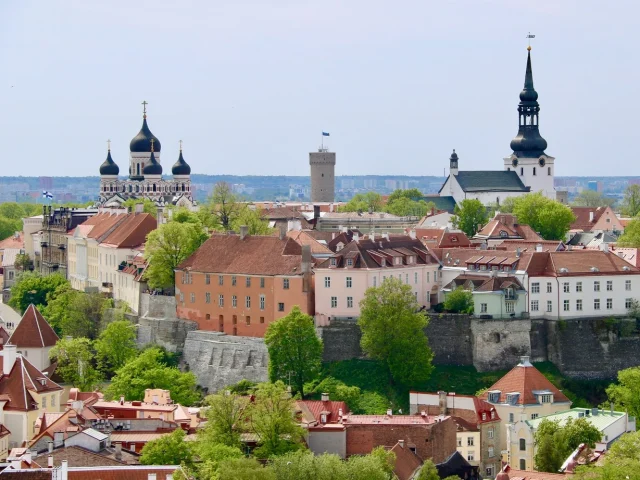
Having launched the world’s first e-residency program, Estonia is a digital pioneer. It should come as no surprise they also have favourable crypto regulations.
Crypto Taxes in Estonia
Crypto companies have also flocked to Estonia for their clear regulations and corporate tax framework. Organizations must pay a flat tax rate of 20% on shareholder dividends, but undistributed profits are tax-free. Similarly, Estonia has a 20% tax rate on all types of personal income as well, including crypto capital gains.
So, while Estonia is not a crypto tax-free country, it does offer clear regulations, which are rare.
Ways to Invest or Immigrate to Estonia
Estonia’s e-residency program allows global crypto businesses and crypto to register and operate within the EU, as well as save on taxes. While e-residency isn’t full residency, it’s a unique way to tap into the European market.
They also offer a digital nomad visa, valid for one year, for those making above €4,500 per month.
Estonia’s digital-first approach and forward-thinking, structured tax policies make it a standout for crypto entrepreneurs.

8. Liechtenstein
Liechtenstein might be small, but it punches above its weight in terms of crypto-friendly policies.
Crypto Taxation Policy in Liechtenstein
Granted they’re not professional traders, crypto investors are not subject to paying capital gains taxes in Liechtenstein. Residents pay taxes at the following rates: A federal income tax rate ranging up to 24% and a 12.5% corporate tax.
While these income taxes are higher than the other crypto tax-friendly countries on this list, they are more generally positive for Europe – a region not particularly fond of crypto transactions and private money.
Ways to Invest or Immigrate to Liechtenstein
Similar to many crypto tax-friendly countries on this list, obtaining citizenship in Liechtenstein is rare (unless you parents are from Liechtenstein). Residency is similarly difficult for foreign investors to obtain in the small European nation. With only 100 permits granted per year, Liechtenstein’s residency program only considers those of particular interest to the country.
Regardless of their investment migration programs, most individuals from developed countries can remain in Liechtenstein for 90-180 days per year on a tourist visa.
Liechtenstein’s combination of low taxes and ideal location inside Central Europe make it an attractive destination for crypto investors.

7. Antigua & Barbuda
The only country in the Latin American and Caribbean region on our list, Antigua & Barbuda was one of the first to officially accept crypto as a form of payment for citizenship.
Crypto Taxes in Antigua & Barbuda
For those looking to reduce their crypto taxes, these two crypto income tax policies make Antigua nearly tax free: Antigua & Barbuda does not require tax residents pay income tax or pay capital gains tax.
With the right setup, that’s essentially no income tax at all for those in the crypto industry.
Ways to Invest or Immigrate to Antigua & Barbuda
Antigua & Barbuda’s claim to fame is their accessible citizenship by investment program. With fees starting at US$230,000 (crypto payments accepted), investors can donate to the local government or invest in real estate and obtain citizenship within a few months.
While it is not officially legal tender on the islands, investors can pay in Bitcoin or crypto.
So, in summary, Antigua & Barbuda offers major tax benefits and the ability obtain a second passport using digital assets, a revolutionary step forward for the crypto world.

6. Malta
The small European island nation of Malta is known for its progressive stance toward crypto businesses, crypto taxes, and blockchain technology in general. The country has established itself as a key player in the global crypto market by creating favorable conditions for both investors and businesses.
Crypto Tax Policy in Malta
Cryptocurrency held for long time periods by an individual are generally not subject to capital gains tax. And, while Malta does have a corporate tax rate of 35%, individuals with profits from crypto trading can pay taxes far closer to 0% if the income is foreign.
Why?
Malta has a 0% income tax rate on income sourced outside of the country, including capital gains. So, if profits from crypto transactions come from your home country and you’re interested in a tax-free environment, Malta may be a solid option for tax residency.
While their tax policies are generally lax, Malta also has ways to combat money laundering through their Virtual Financial Assets Act.
Ways to Invest or Immigrate to Malta
Making it one of the most crypto-friendly countries on our list, Malta offers investors several paths to residency or citizenship.
The Malta residency by investment program requires both a real estate purchase (or lease) and a investment bond purchase. On the other hand, a steeper real estate purchase coupled with a government donation qualify an investor for the Maltese citizenship by investment program.
If you’re looking for a more temporary, affordable approach, Malta also has a digital nomad visa program.


Not sure how this fits your strategy?
A focused consultation to assess your objectives and shortlist the right options.
5. United Arab Emirates
The only Middle Eastern crypto-friendly country on our list, the UAE offers some of the most favorable personal and corporate income tax rates globally, not just for digital assets but for all forms of personal and business income.
Crypto Tax Policy in the United Arab Emirates
Good news. The UAE is largely crypto tax-free.
The Dubai Free Zone imposes no income tax or capital gains tax, including profits from lending, staking, trading, or exchanging crypto assets or crypto investments that would normally be subject to crypto capital gains in other jurisdictions.
However, announced in 2023, Dubai does now levy a 9% business income tax rate on corporations in the Free Zone. Meaning that while they would not be subject to capital gains, businesses involved in the crypto industry who profit off crypto trading and selling crypto assets must pay corporate tax.
The UAE is still a young jurisdiction. As a more clear regulatory framework unfolds, these tax laws may change. Most signals point to the country being a crypto-friendly tax haven for decades to come – even if it’s not 100% crypto tax-free at the moment.
Ways to Invest or Immigrate to the United Arab Emirates
The UAE has several pathways for investors to gain a foothold in the country.
While citizenship is rarely granted, individuals can obtain temporary residency in the country by investing at least US$550,000 in real estate or investment funds or migrating a business worth at least US$150,000 to the country.
The UAE is quickly becoming a global leader in the crypto sector, crypto businesses, and blockchain technology investors. And cities like Dubai and Abu Dhabi are rolling out the red carpet. If individuals trade crypto, run crypto companies, or are involved in crypto mining, keep an eye on this jurisdiction.

4. Singapore
Singapore is one of the top global hubs for cryptocurrency, largely thanks to its favorable tax regime and government support for blockchain innovation.
Crypto Tax Policy in Singapore
Singapore’s crypto taxes make it the crypto-friendly country in Southeast Asia.
With no crypto capital gains tax, Singapore has become a tax haven and ideal jurisdiction for investors looking to hold or trade digital assets without worrying about taxation. Organizations that accept crypto as payment are also exempt from an extra 8% business income tax called Goods and Services tax.
However, Singapore’s individual income tax rate of 17% also applies to businesses engaged in trading crypto.
Ways to Invest or Immigrate to Singapore
Citizenship is infamously difficult to obtain in Singapore (like the next entrant in our list of the world’s 10 most crypto-friendly countries). Doubly so because the country does not allow for dual citizenship.
However, temporary residency is within reach. Through the EntrePass program, the government may grant residency to investors willing to invest a significant sum in a local business or other qualifying assets.
A force for good in the crypto industry, Singapore has staked itself as a leader in blockchain technology and a welcoming location for crypto investments and innovation. Serious crypto investors should at least consider Singapore as a potential base.

3. Switzerland
Known for its financial privacy and innovation, Switzerland has positioned itself as a leader in tax-friendly crypto regulation in Europe. The region of Zug, also known as Crypto Valley, has attracted blockchain startups from around Europe and the world.
Crypto Tax Policy in Switzerland
In Switzerland, private investors are exempt from capital gains tax on crypto trading – similar to the Swiss Federal Tax Administration’s approach to stocks and bonds. However, if that investor is classified as a professional trader, they must pay tax on their crypto profits as business income.
But, income derived from crypto is still subject to Switzerland’s wealth tax rates, which vary by canton from 0.5% to 1%.
Also, the neutral Central European country offers special tax regimes, a flat annual fee regardless of income, for high-net-worth individuals.
Ways to Invest or Immigrate to Switzerland
Switzerland is notoriously strict with their residency and citizenship programs. But, they offer several temporary residency programs for other EU citizens, those of public interest, highly qualified employees and investors, family members of Swiss residents, and retirees with close links to the country.
After living in Switzerland for ten years, the investor may apply for permanent residency. Then, to qualify for citizenship, individuals must demonstrate significant ties in Swiss society.
Given they adopt a more tax-friendly approach to personal income tax, Switzerland’s clear legal framework could make it a top destination (head for Crypto Valley!) for crypto investors in the future.

2. Portugal
In a largely unfriendly tax environment like the European Union and Europe as a whole, Portugal stands out as the most crypto-friendly country in the region. for its favorable tax treatment of crypto investors. Private individuals do not pay capital gains taxes or income tax on their crypto assets as long as they are not engaged in crypto trading as a professional activity.
Crypto Tax Policy in Portugal
Portuguese crypto taxation is not as advantageous as it was a few years ago. With its elimination of the Non-Habitual Tax Regime in 2023, so went many favorable tax laws.
If held for less than a year, any profits from selling crypto are subject to a 28% capital gains tax. Personal and business income from lending, receiving payments in, or staking crypto is also taxed at 28%.
However, a few crypto-friendly policies still remain: For example, capital gains from digital currency held for over one year are tax-exempt from capital gains tax.
Individuals and businesses involved in crypto may find more favorable tax benefits or at least more favorable personal and corporate income tax rates in Madeira, an autonomous region of Portugal off the coast of Morocco in the Atlantic Ocean.
Ways to Invest or Immigrate to Portugal
Portugal’s golden visa is one of the most attractive residency programs in Europe. Crypto investors can secure temporary residency by making investments in €500,000 businesses, scientific research, or investment funds, including several options for indirect exposure to Bitcoin or crypto through our partners.
Investors may also choose to donate €250,000 to specific artistic/cultural projects.
The Portugal golden visa program is one of the fastest paths to residency rights across its 27 member states. After just five years of maintaining their residency status, investors can apply for citizenship.
Or, you can skip temporary and permanent residency altogether if you have ancestors from this beautiful Iberian country. Learn about Portugal citizenship by descent here.

1. El Salvador
On our list of the most crypto-friendly countries, El Salvador is the only nation to adopt Bitcoin as legal tender. In 2021, President Nayib Bukele made history by announcing at the annual Bitcoin Conference citizens, residents, and tourists in El Salvador could use Bitcoin digital currency as official means of exchange (the US dollar fiat currency is also an option).
Most governments are still grappling with how to classify and regulate digital currencies. El Salvador, on the other hand, has embraced it fully – allowing for crypto payments in daily transactions. You can even pay taxes in Bitcoin.
Crypto Tax Policy in El Salvador
Provided you’ve established tax residency in the Central American country, capital gains from crypto transactions are not taxed in El Salvador. The country has no capital gains taxes on Bitcoin or crypto income or other fiat currency investment transactions.
However, while there is no capital gains tax, any income generated from crypto activities (as in trading or providing services in Bitcoin) is subject to normal business income tax and personal income tax laws.
Compared to other countries around the world, these tax laws make El Salvador the most crypto-friendly country in the world.
Ways to Invest or Immigrate to El Salvador
El Salvador is also unique in accepting Bitcoin as part of its residency and investment programs. Investors can apply for residency by making real estate or business investments using Bitcoin, and citizenship is possible after five years.
In 2023 President Bukele debuted the world’s newest citizenship by investment program. For US$1 million of USDT or Bitcoin, an investor can obtain citizenship in the country. For the right crypto investors, this program makes a lot of sense.
Hopefully, this tax-friendly approach to crypto is the future: Tax-free crypto gains combined with numerous investment migration opportunities for foreign investors.
Avoid Investing or Immigrating to These Least Crypto-Friendly Countries
While we’ve covered the best, some jurisdictions are hostile to crypto. Countries like China, Japan, and India have either outright banned crypto or impose strict regulations on crypto activities. Or, they don’t deploy anti-money laundering policies to detract malevolent actors from their country.
In Europe, the Netherlands is particularly anti-crypto as well. They have an atypical taxation policy on not only crypto capital gains, but also traditional capital assets. Every year, the taxable base of a Dutch tax resident resets, and their wealth tax applies to the yield on assets from the previous year. In short, those with decentralized assets pay both unrealized and realized capital gains tax.
Investors should avoid these countries due to their unfavorable tax regimes and legal uncertainty.

Potential Crypto-Friendly Countries
Presidential candidate and other politicians are running in their jurisdictions on crypto- and Bitcoin-friendly platforms. Namely, Suriname presidential candidate Maya Parbhoe has made waves in the industry in recent years for her pro-Bitcoin policy and willingness to pioneer a crypto-friendly campaign in the face of traditional public policy.
In the future, we’ll likely see more politicians embrace pro-crypto leanings – not only to attract more votes, but also to pass sound monetary policy in their jurisdictions. Having said that, more countries will join this list of the top ten crypto-friendly countries for crypto investors and Bitcoiners like you.
The right jurisdiction can make all the difference when it comes to growing and protecting your wealth in the crypto space. If you want to protect your digital assets and ensure they grow as you intended, it’s important to find and settle in a place with a government that shares that same ambition.
Crypto tax-free countries – or at least countries that offer clear regulations, minimal or zero capital gains taxes, and flexible residency and citizenship programs – are where the future will be built.
If you’re looking to invest or immigrate to a country that best supports your way of life, our team specializes in helping crypto investors secure residency and citizenship in these forward-thinking countries. Contact us here.