






































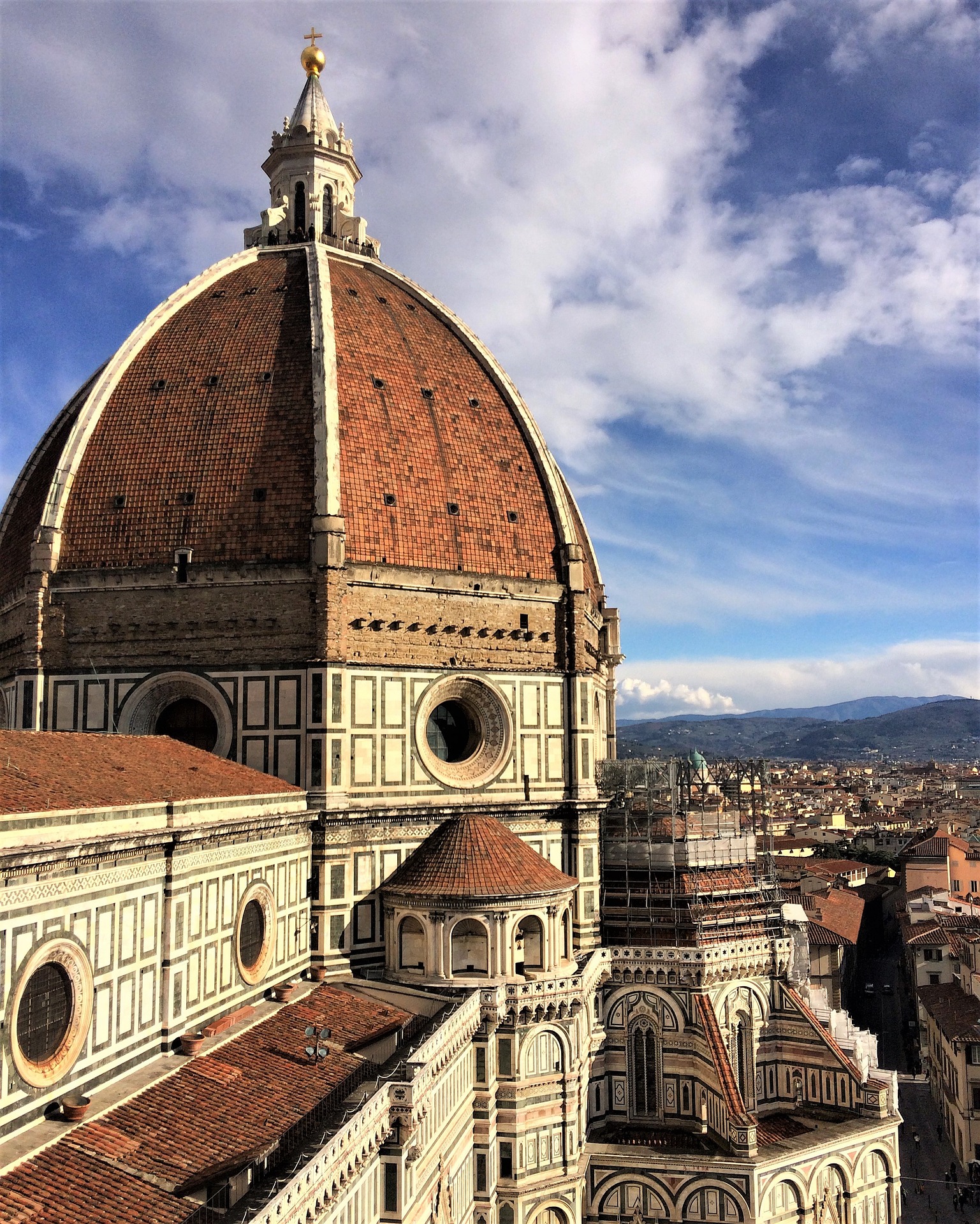
What is the Italian Elective Residency Visa?
The Italian Elective Residency Visa is a type of long-stay visa specifically designed for foreigners who wish to reside in Italy without engaging in any work activities. It’s particularly popular among retirees seeking a tranquil lifestyle in this beautiful country. While it’s commonly known as the Italy retirement visa, it’s important to note that it’s not exclusively for retirees; anyone with sufficient financial resources can apply.
Who Can Get the Italian Retirement Visa?
The Italy elective residency visa is primarily targeted at three groups of people:
- Retirees: Individuals who have reached retirement age and wish to enjoy their golden years in Italy.
- Individuals with substantial financial resources: Those who possess sufficient assets to support themselves without relying on employment.
- Those seeking a permanent residence in Italy: People who desire to make Italy their long-term home and have the financial means to do so.
Dreaming of trading the hustle and bustle of your current life for the laid-back charm of Italy? The Italian Elective Residency Visa might be your golden ticket to this Mediterranean paradise. Often referred to as the Italy retirement visa, it’s a pathway for foreign nationals to make Italy their permanent home without the need for employment.
Let’s dig into the details of this visa and explore what it takes to retire in style on the Italian peninsula.
An Overview of the Italian Visa Types
Types of Italian Residency Visas
Okay, so Italy offers a bunch of different visas, and it can get a bit confusing. You’ve got your tourist visas for short stays, student visas if you’re coming to study, and work visas for those looking to build a career there. There’s also a family reunification visa if you’re joining a family already living in Italy.
But we’re focused on the Italian elective residence visa, which is a bit different. It’s like saying, “Hey Italy, I love you, and I want to live here, but I’m not looking for a job.” It’s for people who are financially independent and want to enjoy the Italian lifestyle without working.
Differentiating Elective Residency from Other Options
So, how does the elective residency visa differ from the rest? Well, let’s use the work visa as an example. If you have a job offer in Italy, you’d need a work visa. That visa allows you to work and live there. But the elective residency visa is specifically for people who aren’t working and want to retire in Italy. You’re basically telling the Italian government, “I’m good to go financially, I just want to hang out and enjoy your country.”
It’s also different from a student visa. With a student visa, you’re primarily there to study. Once you finish your studies, you might need to apply for a different visa, like a work visa or the elective residency visa, depending on your plans.
So, to sum it up, the elective residency visa is for people who are financially stable and want to make Italy their home without the need for employment. It’s a great option for retirees or individuals with independent income sources who are looking for a relaxed lifestyle in the heart of Italy.
Italian Elective Visa Benefits
The elective residency visa offers several advantages for those seeking a permanent lifestyle in Italy.Right to Reside in Italy
First and foremost, it grants you the right to live and reside permanently in the country. Imagine exchanging your daily commute for leisurely strolls through charming Italian towns.
Access to Italy's healthcare system and other social services
This provides peace of mind, especially for those concerned about potential medical expenses.
Visa-free travel to the Schengen Area
In this way, you can effortlessly explore neighboring countries like France, Spain, and Germany. It's like having a passport to adventure at your fingertips.
Path to a Permanent Residence Permit
Looking at the long term, spending five years as a clean-record holder in Italy can make you eligible to apply for a permanent residence permit.
10 Years to Citizenship
If you decide to make Italy your home for a decade, you might even qualify for Italian citizenship. This opens up a world of possibilities, from enjoying full citizenship rights to strengthening your connection with the country.
Quality Education for your Children
Gift your children the fantastic benefit of easy access to quality educational institutions in Italy as well as other European countries.

Not sure how this fits your strategy?
A focused consultation to assess your objectives and shortlist the right options.
Eligibility Criteria to Get an Italy Elective Residence Visa
To qualify for the Italian Elective Residency Visa, you must meet specific criteria.you must meet specific criteria.
Age Requirement
Applicants must be at least 18 years old.
Financial Requirements
You must demonstrate sufficient financial means to support yourself without relying on employment in Italy. This means providing documented proof of your financial resources.
- Single individuals: A minimum of €31,000 per year (or equivalent in your home currency) is required.
- Married couples: A combined minimum of €38,000 per year is necessary.
- Dependants: An additional 20% of the base amount is required for each dependent child.
Important note: Even if you purchase property in Italy, you still need to meet the minimum financial requirement as outlined by Italian law.
Proof of Accommodation
Before moving to Italy, you must secure suitable housing. To prove this, you can provide either a lease agreement for a rental property or documentation confirming property ownership.
Health Insurance
Mandatory health insurance coverage is required before applying for the visa. The policy must cover at least €30,000 per year for medical expenses within all EU member states.
Passport Validity
Your passport must be valid for at least three months beyond the intended expiration date of your visa. Additionally, it should contain at least two blank visa pages.
Visa Application Form
Obtain the visa application form from the Italian consulate responsible for your area. Each consulate may have its own specific form. Complete the form accurately, but do not sign it until you appear in person at the consulate.
Passport-Size Photographs
Two passport-sized photos are required. These photos should have a white background, measure 35mm x 45mm, and clearly show your face (70-80% of the image).
Civil Status Documents
If you are married or have dependents, you will need to provide valid proof of your family relationship. This typically includes marriage certificates and birth certificates. Documents issued outside of Italy may require translation into Italian and legalization or apostille certification.
Visa Fee
A visa fee of €116 per person is payable in cash or by money order to the Italian consulate. Some consulates accept local currency payments. Check the consulate’s website for the most current exchange rate information.
Police Clearance Certificate
A clean criminal record certificate from your home country is required.
Remember: Specific requirements may vary slightly between consulates. It’s essential to contact the Italian consulate in your area for the most accurate and up-to-date information.

How to Apply for the Italian Elective Residence Visa
Applying for an Italian Elective Residency Visa involves several steps. It's essential to be organized and to gather all required documents well in advance.Book A ConsultationStep 1: Choose the Correct Consulate or Embassy
The first step is to identify the Italian consulate or embassy responsible for your area of residence. Contact them to inquire about specific requirements and procedures, as these may vary.Step 2: Gather Required Documents
Ensure you have all the necessary documents as outlined in the previous section. This includes your passport, proof of financial means, health insurance, accommodation, criminal record, passport-sized photos, and civil status documents.Step 3: Schedule an Appointment
Most consulates and embassies require appointments for visa applications. Contact them to schedule a suitable date and time for your application submission.Step 4: Complete the Visa Application Form
Obtain the visa application form from the consulate or embassy and complete it accurately and truthfully. Remember to sign the form in the presence of a consular officer.Step 5: Pay the Visa Fee
Pay the required visa fee as instructed by the consulate. This is typically done in cash or by money order.Step 6: Submit Your Application
On the appointment date, submit your completed application form, along with all supporting documents and the visa fee, to the consular officer. Be prepared to answer any questions about your application.Step 7: Biometric Data Collection
You may be required to provide biometric data, such as fingerprints and a digital photograph, as part of the application processStep 8: Wait for Processing
The visa processing time can vary. It's essential to plan accordingly and allow sufficient time for the process.Step 9: Collect Your Visa
If your visa is approved, you will be notified by the consulate. Collect your passport with the visa attached.
Validity of the Visa and Permit
Understanding the duration of your visa and permit is crucial.
- Elective Residency Visa: This is typically valid for a short stay (up to 90 days) within the Schengen Area. Its primary purpose is to allow you entry into Italy to apply for the residence permit.
- Elective Residence Permit: Once in Italy, you must apply for the residence permit within eight days of arrival. This permit is initially issued for one year and can be renewed every two years, provided you continue to meet the eligibility criteria.
Renewal Process
Renewing your residence permit is essential to maintain your legal status in Italy.
- Eligibility: To renew your permit, you must demonstrate that you continue to meet the financial requirements, have health insurance, and maintain your accommodation.
- Timely Application: It’s advisable to start the renewal process about two months before your current permit expires.
- Required Documents: The specific documents required for renewal might vary, but generally include a valid passport, proof of income, health insurance, and accommodation.
- Application Process: The renewal process is similar to the initial application, involving submitting the required documents to the local police headquarters (Questura).

Path to Permanent Residency
After residing legally in Italy for five consecutive years with an elective residence permit, you become eligible to apply for a permanent residence permit. This grants you longer-term residency rights.
Important Note:
- Any interruption in your residency of more than six months can impact your eligibility for renewal or permanent residency, unless there are valid reasons such as military service or serious health issues.
- It’s crucial to maintain your tax residency in Italy and file your tax returns regularly to strengthen your case for permanent residency.
Financial Planning for Your Italian Adventure
Moving to Italy requires careful financial planning. It's essential to have a clear understanding of your financial situation and how it aligns with the cost of living in Italy.Assessing Your Financial Situation
The first step is to conduct a thorough evaluation of your financial health. This involves:
- Calculating your income: Determine your annual income from all sources, including pensions, investments, rental properties, or other passive income.
- Estimating your expenses: Create a detailed list of your current monthly expenses, such as housing, utilities, food, transportation, and healthcare.
- Building an emergency fund: It’s wise to have a financial cushion for unexpected expenses. Aim to save at least three to six months’ worth of living expenses.
- Reviewing your assets and liabilities: Assess the value of your assets, such as property, investments, and savings accounts. Simultaneously, evaluate your debts and liabilities to get a clear picture of your net worth.
Creating a Budget for Life in Italy
Once you have a grasp on your financial situation, you can start creating a budget tailored to life in Italy. Consider the following factors:
- Cost of living: Research the average cost of living in the region you plan to reside in. Housing, food, transportation, and utilities will likely be your major expenses.
- Healthcare costs: Factor in the cost of health insurance premiums and potential out-of-pocket expenses.
- Taxes: Understand the Italian tax system and how it applies to foreign residents.
- Lifestyle expenses: Allocate funds for leisure activities, dining out, travel, and other discretionary spending.
Tax Implications for Foreign Residents
Navigating the Italian tax system can be complex, especially for foreigners. Consider these key points:
- Tax residency: Determine your tax residency status to understand your tax obligations.
- Income taxation: Understand how your income will be taxed in Italy.
- Double taxation agreements: If you have income from other countries, explore the possibility of double taxation treaties to avoid paying taxes twice.
- Seeking professional advice: Consulting with a tax advisor can help you navigate the complexities and ensure compliance.
Retirement Planning in Italy
If you’re retiring in Italy, careful retirement planning is essential. Consider these factors:
- Pension portability: Understand how your pension from your home country can be transferred to Italy.
- Social security benefits: Explore the possibility of claiming social security benefits from your home country while living in Italy.
- Healthcare coverage: Ensure you have adequate healthcare coverage, either through the Italian public system or private insurance.
- Long-term care: Consider potential long-term care needs and available options in Italy.
By carefully considering these financial aspects, you can create a solid foundation for your life in Italy and enjoy your retirement years to the fullest.
Lincoln Global Partners: Italian Elective Residency Visa consultants Apply with us today!
Lincoln Global Partners is an international immigration consultancy firm that specializes in Residency and Citizenship programs. Our team of Italian Elective Residency Visa consultants will help you throughout the journey, including the question whether this is the right program for you in the first place.You can start with a complimentary consultation to set the ball rolling. Our team members are located across the world, which means we offer local and regional assistance in multiple countries to make your dream of moving to Italy come true.
At Lincoln Global Partners, we assist clients from the US, the UK, South East Asia, the Indian subcontinent, and Africa keen on exploring investment migration programs and second citizenship programs offered by different countries across the world.
With us by your side, you will be assured of our best efforts in helping you have a great experience in quickly qualifying for residence in Italy from your home country.

Italian Elective Residency Visa FAQ's
Here are answers to some Frequently Asked Questions about moving to Italy on the Elective Residency Visa. What is the Italian Elective Residency Visa, and who is it for?The Italian Elective Residency Visa is a long-stay visa for foreign nationals who wish to reside in Italy without engaging in work. It is ideal for retirees, individuals with substantial financial resources, and those seeking permanent residence in Italy. Applicants must demonstrate financial independence, as the visa does not permit employment.
What are the financial requirements to qualify for the Italian Elective Residency Visa?Applicants must provide proof of sufficient financial resources to support themselves in Italy without employment. The minimum required income is €31,000 per year for single applicants and €38,000 per year for married couples. An additional 20% of the base amount is required for each dependent child.
What benefits does the Italian Elective Residency Visa offer?The visa grants the right to live permanently in Italy, access to Italy’s healthcare system, and the ability to travel freely within the Schengen Area. After five years of residency, visa holders can apply for a permanent residence permit, and after ten years, they may be eligible for Italian citizenship.
What are the steps to apply for the Italian Elective Residency Visa?The application process involves scheduling an appointment, gathering required documents (such as proof of income, accommodation, and health insurance), completing the visa application form, paying the visa fee, and submitting the application. Biometric data collection may also be required.
How long is the Italian Elective Residency Visa valid, and what is the process for renewal?The Elective Residency Visa is initially valid for a short stay (up to 90 days) and is used to enter Italy and apply for a residence permit. The residence permit is issued for one year and can be renewed every two years, provided the applicant continues to meet the financial and other eligibility criteria.