



















Fast Process
European Passport
No Investment Required
Citizenship by Descent in Europe: Apply with us today!
From Brazil to Portugal: Cecilia Weber’s Citizenship Journey
Like many of us with international roots, Lincoln Global Partners Global Mobility Specialist Cecilia Weber knew her Portuguese ancestry was valuable. As a successful professional in Brazil, she had the vision but needed help with execution. That’s where Lincoln Global Partners stepped in.
Think about the last time you tried to navigate government bureaucracy. Now imagine doing that across international borders! Lincoln Global Partner’s team became Cecilia’s guide, tracking down family birth records, preparing legal documents and speaking directly with Portuguese officials so she didn’t have to.
Cecilia’s citizenship application involved gathering extensive documentation and navigating complex legal requirements.
When Cecilia finally held her Portuguese passport, a world of opportunities opened up! She gained the freedom to work anywhere in the EU, access to European banking systems that would have otherwise been off limits and can now travel visa-free to over 190 countries, which is a significant upgrade from her Brazilian passport.
Today, she helps others achieve the same transformation. Her story shows how your family tree, with the right support, can change your life options, creating new opportunities for your career growth and financial portfolio.
Book A ConsultationCitizenship by DescentWhat is Citizenship by descent?
With European parents or grandparents, millions of people never imagine their heritage could become an advantage. For over 15 years, we’ve helped clients uncover hidden passport opportunities through citizenship by descent — a way to acquire citizenship based on your family tree.
Think of it as a heritage lottery you might have already won. Unlike golden visa programs that may require significant investments, citizenship by descent allows you to acquire citizenship through ancestry, often just the cost of paperwork, legal fees, and processing.
Many clients trace their ancestry to small villages throughout Europe. After gathering the right documents and navigating the process, they receive their European passports without spending the €500,000, an investment visa may cost.
Why chase European citizenship? An EU passport unlocks visa-free travel to nearly 190 countries, giving you the right to live and work across Europe, also providing a valuable backup plan for your family’s future.
Curious if you qualify? Let’s dig into your family history, you might already have the key to a second passport.
Book a Free Consultation Now
Which countries in Europe offer the Citizenship by Descent pathway?
As of 2024, a total of 31 European countries offer citizenship by descent, providing pathways for individuals to claim citizenship based on their ancestral ties to these nations.
The eligibility criteria and generational limits for citizenship by descent vary significantly across these countries such as:
- Italy, Hungary, Ireland, Poland, and Luxembourg allow citizenship by descent with no generational limit if lineage can be proven.
- Greece, Bulgaria, and Latvia typically allow up to the third generation.
- Croatia, Czech Republic, Spain, and Portugal often limit to the second generation.
- Germany, France, and the Nordic countries generally restrict it to first generation descendants.
Please check out the map on the right to see the generational limit of every European country.
The map above shows the European countries that offers the Citizenship by Descent and the Generational Limits based on how far back citizenship by descent can be claimed.
EU Citizenship By Descent Benefits of European Citizenship by Descent
.With EU citizenship, you gain the right to live, work, and study in 31 countries, with no visas and no restrictions. EU citizens enjoy the protection of political, social and economic rights under the Charter of Fundamental Rights of the European Union. Many professionals take full advantage of their European passports to land jobs across the continent that would have been complicated with prior visa limitations.
Healthcare is another major perk. Many European countries offer universal healthcare, often at a fraction of U.S. costs. European citizenship can provide significant savings on medical procedures, a benefit tied directly to citizenship status.
And it’s not just about the present generation — Children and grandchildren can often inherit citizenship rights. European passports help families access educational opportunities across the continent for a fraction of what American colleges charge.
For business owners, an EU passport opens doors. You can start a company, open a European bank account, buy property without foreign buyer restrictions and all without immigration red tape slowing you down.
Right to live in an EU country
The right to live, work, and study in any EU member state.
Enhanced travel freedom
Enhance travel freedom with visa-free or visa-on-arrival access to many countries worldwide.
Inclusion of public benefits
Access to social services, healthcare and education across the EU.
Opportunities for future generations
Acquiring citizenship by descent, not only benefits you but also extends advantages to your descendants.
Common Myths And Misconceptions
.Think obtaining citizenship by descent is too complicated? Most successful applicants started with just a family story or a single document.
Many assume they need to speak the language of their ancestral country to qualify for citizenship. But for most programs, that’s not true. Countries like Italy, Ireland and Poland have no language requirements. Only a few like Hungary, require basic language skills as part of the process.
Worried about missing documents? Digitized records and professional genealogists have made document searches easier than ever. Even records from villages destroyed during World War I or II often still exist in national or church archives. But if you work with Lincoln Global Partners to acquire your citizenship by descent, we take care of these details and the documentation process.
And when it comes to cost, citizenship by descent is incredibly affordable compared to investment routes.

Not sure how this fits your strategy?
A focused consultation to assess your objectives and shortlist the right options.
Finding Your Ancestral Connections
.Start your search in the attic. Old passports, naturalization papers, and even family bibles often hold crucial clues about your ancestry and potential for claiming citizenship.
DNA testing services like AncestryDNA or 23andMe typically won’t qualify you or your family for citizenship by descent, but they can confirm regional connections and even help connect you with distant relatives who may have the documents you need.
Documentation Requirements Deep Dive
.Birth certificates are the foundation of any application to acquire citizenship by descent. You’ll need them for yourself, your parents and each ancestor in your claiming line.
Marriage records help prove legitimate family connections and track name changes that could complicate your application. If a divorce impacted citizenship status, you may need to provide divorce decrees as well.
Death certificates can be valuable, often listing birthplace details that confirm foreign ancestry.
Immigration and naturalization records are critical. They establish when your ancestor arrived in the new country and whether they became a citizen elsewhere, which could break the citizenship chain in some cases.
Most countries require apostilles (international certifications) on official documents, which typically add around $20 per document plus processing time.
The best part? Once gathered, these documents become priceless family treasures, a tangible record of your unique story, no matter the citizenship outcome.

Top European Countries for Citizenship by Descent
Depending on your family ancestry, you can be eligible to apply for a citizenship by descent program and experience all the benefits offered by a stronger passport.
Citizenship by DescentPortugal
Citizenship By Descent
Acquiring Portuguese citizenship by descent is a process that can be pursued if you have direct ties to Portugal through marriage or ancestry. Below are the primary ways you can obtain Portuguese citizenship by descent, based on the criteria of being married to a Portuguese citizen, being the child of a Portuguese citizen, or being the grandchild of a Portuguese citizen.Learn More
From 2-3 years
Generational limit2 generations
Minimum stay in the country?No
Requires a language proficiency test?Yes
Citizenship By DescentSpain Citizenship By Descent
Spanish citizenship by descent is available to those with Spanish ancestry. Children of Spanish Citizens regardless of where they were born, grandchildren of Spanish citizens whose parents acquired nationality, and the descendants of Spanish citizens who were exiled during the Spanish Civil War are all eligible to apply for Spanish citizenship immediately. Descendents of Sephardic Jews who were expelled from the Iberian Peninsula on the other hand can apply for fast-track citizenship in Spain after just 2 years of residency.Learn MoreRequest Brochure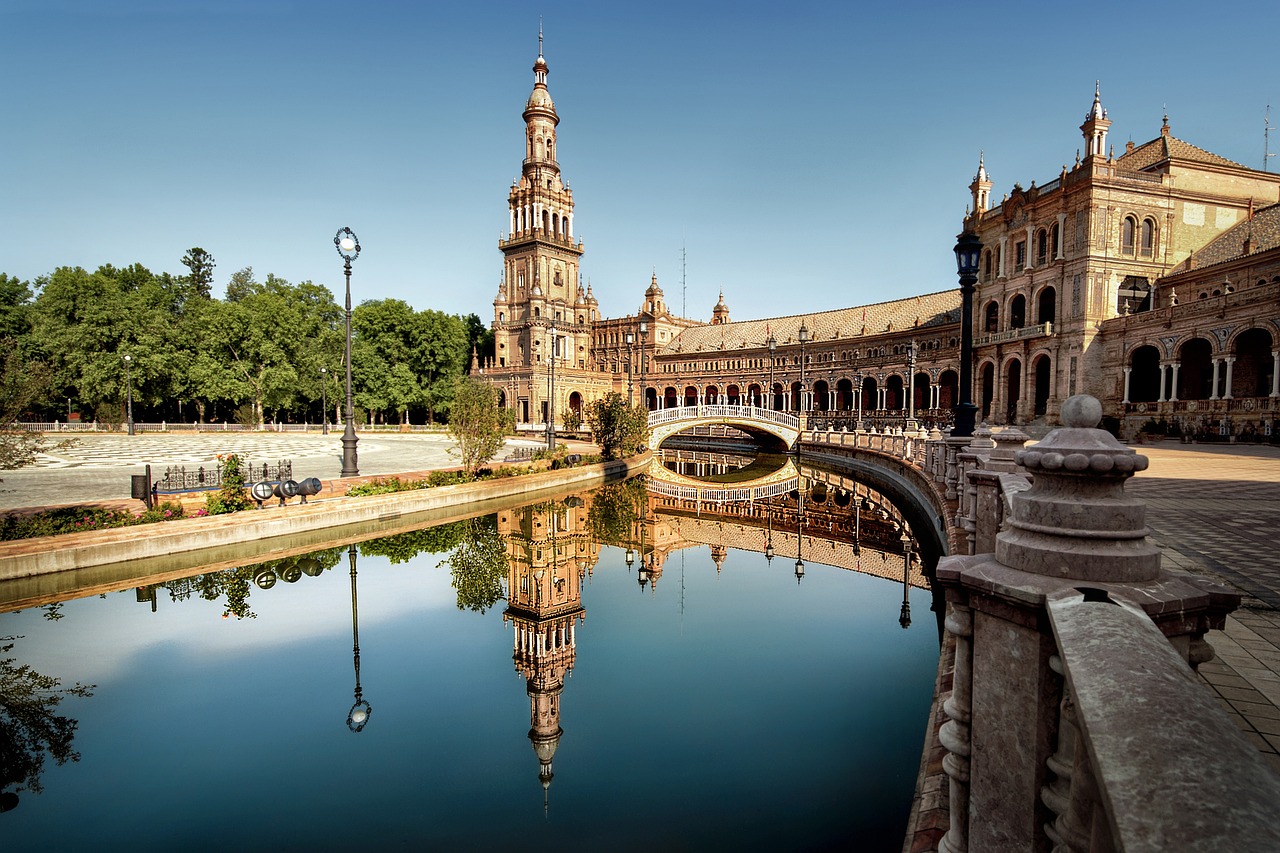
From 1-2 years
Generational Limit2 Generations
Minimum stay in the country?No
Requires a language Proficiency test?Yes
Citizenship by DescentItaly
Citizenship By Descent
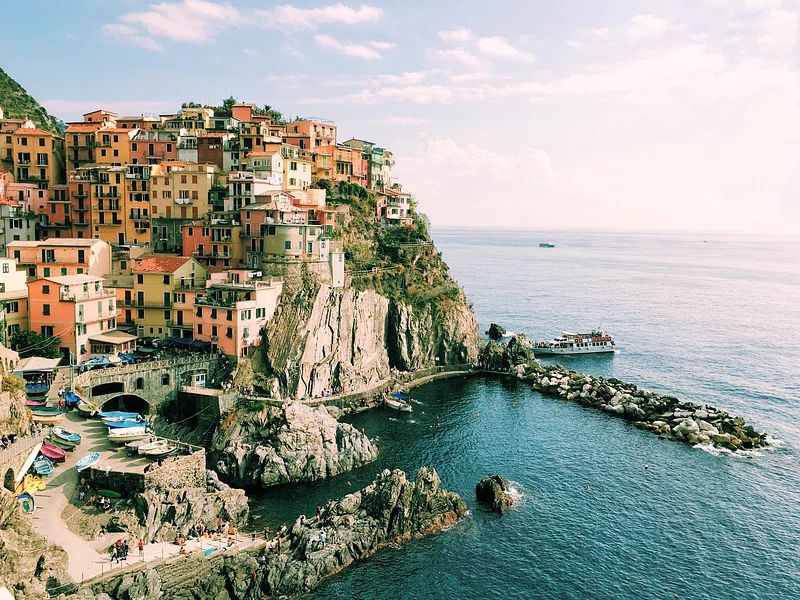
Italy has one of the most generous citizenship by descent programs in Europe. There’s no generational limit, meaning you could qualify through a great-great-grandparent as long as the bloodline remained unbroken. Similar to how you can claim Irish citizenship through your grandparents, Italy allows you to trace your lineage back multiple generations.The key requirement? Your Italian ancestor must have been alive after Italy unified in 1861 and must not have naturalized elsewhere before their child was born.
However, there’s a complication for female ancestors: Before 1948, women couldn’t pass on Italian citizenship to their children. If your lineage includes a woman before this date, you may need to file a “1948 case” in an Italian court to claim your citizenship.
Expect to pay government fees, plus translation and document costs. The process typically takes 1–3 years, depending on whether you apply through an Italian consulate (longer) or directly in Italy via residency (faster).Learn More
From 2-3 years
Generational limit2 Generations
Minimum stay in the country?No
Requires a language Proficiency test?Yes
Citizenship by DescentGermany Citizenship by Descent
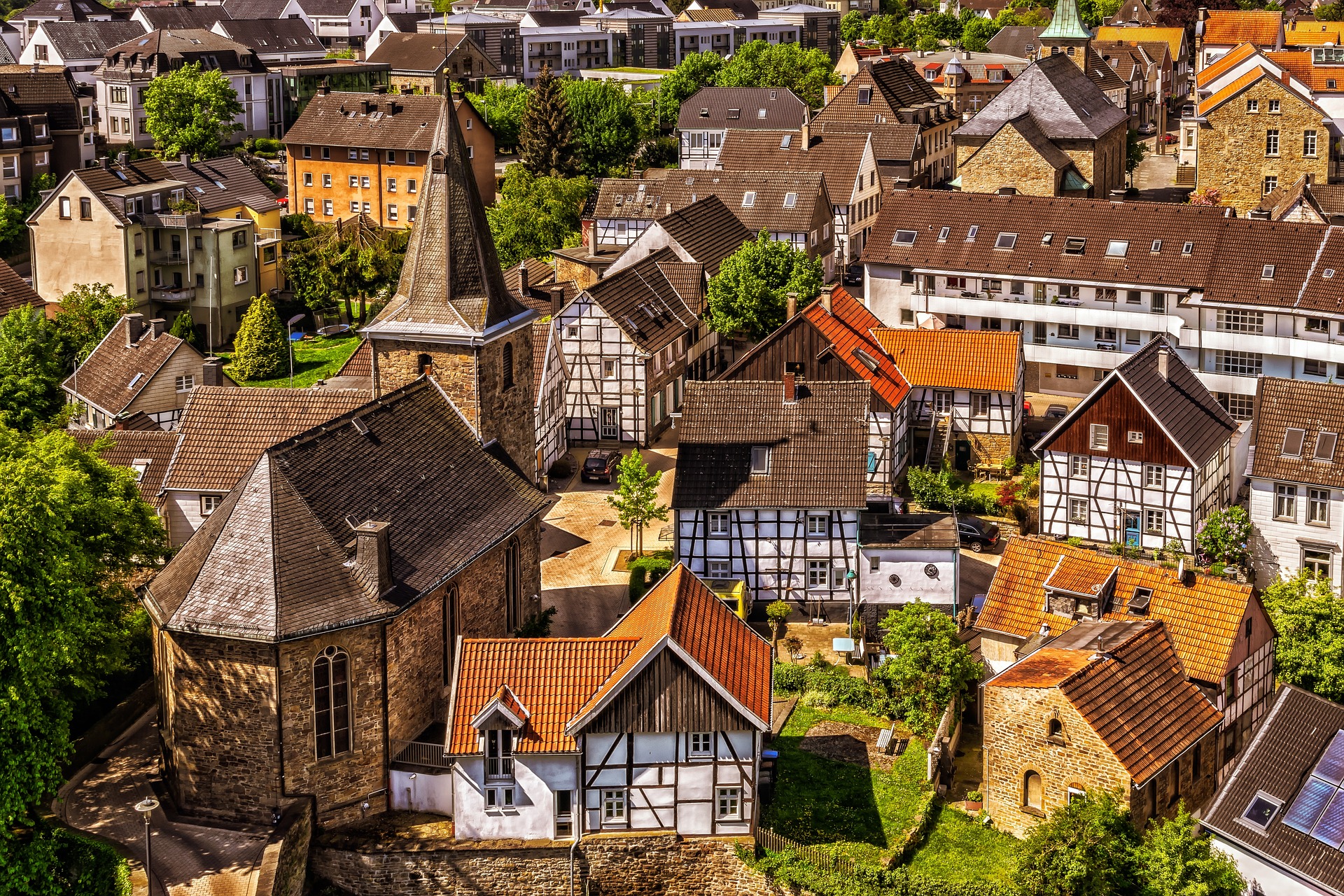
German citizenship by descent follows the two following key routes for acquiring citizenship:The standard ancestral path – If your parent was a German citizen at the time of your birth, you may qualify. However, historical gender restrictions meant that before 1975, only German fathers (not mothers) could pass citizenship to children born outside of marriage.
Article 116 restoration – This special provision grants citizenship to descendants of German Jews and others persecuted by the Nazi regime (1933–1945). Unlike the standard route, this path has no generational limits and has helped thousands reclaim their heritage.
Germany has strict documentation requirements, demanding an unbroken chain of certificates proving descent. All records must be officially translated and authenticated.Learn MoreRequest Brochure
From 2-3 years
Generational limit3 Generations or more
Minimum stay in the country?No
Requires a language Proficiency test?Yes
Citizenship by DescentPoland
Citizenship By Descent
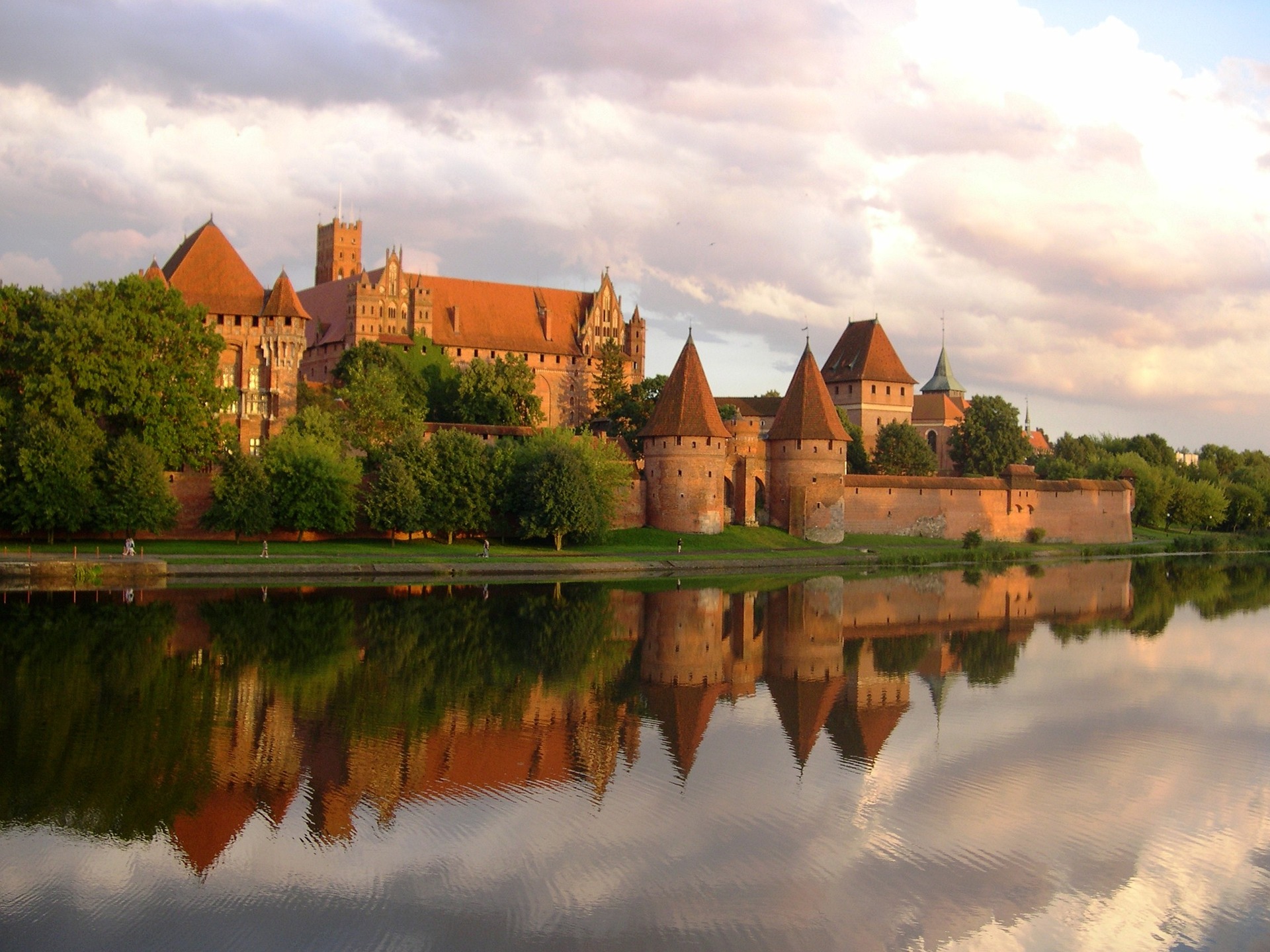
Poland’s tumultuous history has created unique descent citizenship opportunities. If your ancestors left Poland during or after World War II, you may qualify for citizenship by descent, even if multiple generations have passed.The challenge? Poland’s borders shifted significantly in the 20th century. Your ancestor may have been born in what was Poland then but is now Ukraine, Belarus, or Lithuania. This often requires digging through archives in multiple countries. But your immigration partner should handle this for you.
The Polish government doesn’t charge an application fee for citizenship by descent claims, but document retrieval and translation costs typically range below €10,000.
Many individuals have successfully traced their family roots to Polish territories and secured their passports within 14-18 months, unlocking the ability to live throughout the EU while maintaining their primary residence elsewhere.Learn More
From 2-3 years
Generational limit2 Generations
Minimum stay in the country?No
Requires a language proficiency test?Yes
Citizenship by DescentIreland Citizenship by Descent
Do you have Irish grandparents? You might qualify for Irish citizenship by descent, one of the most accessible European passport programs and strongest travel documents in the world.The process is actually straightforward. You need to gather birth certificates linking you to your Irish citizen parent, submit a foreign birth registration application and wait. Due to a surge in applications post-Brexit, current processing times can run 18–24 months.
A recent expansion of eligibility now allows some great-grandchildren to apply, depending on how citizenship was passed down.
The costs remain reasonable, including government fees and document expenses. For many Americans with Irish heritage, this is the fastest and simplest path to EU citizenship.Learn MoreRequest Brochure

From 1-2 years
Generational limit2 Generations
Minimum stay in the country?Yes, for at least 3 years
Requires a language Proficiency test?No
Citizenship by DescentSlovakia
Citizenship By Descent
Slovakia allows descendants of Slovak emigrants to apply for citizenship based on their family heritage. This opportunity is particularly relevant for families who left during political upheavals or the large waves of emigration in the early 1900s.The program covers ancestors from territories now within modern Slovakia's borders, regardless of whether they lived under Austro-Hungarian rule, within Czechoslovakia, or during other historical periods.
Unlike many European countries with stricter limitations, Slovakia permits applications from great-grandchildren of Slovak citizens, extending eligibility to the third generation.
The documentation process requires gathering various certificates that establish your family lineage without gaps. Each document must be translated into Slovak and properly authenticated, which can be time-consuming but is essential for a successful application.
A distinctive requirement of the Slovak process is obtaining a permanent residence permit, which is processed simultaneously with your citizenship application. This is primarily administrative, physical relocation to Slovakia isn't necessary.
Applications are typically submitted through Slovak diplomatic missions. The review process generally takes between 18-24 months, though timing varies.
There's no requirement to speak Slovak or pass a cultural knowledge test. Government fees for the residence permit are minimal, but the complete process including document collection, translation and authentication, typically cost below €10,000, depending on your situation.Learn More
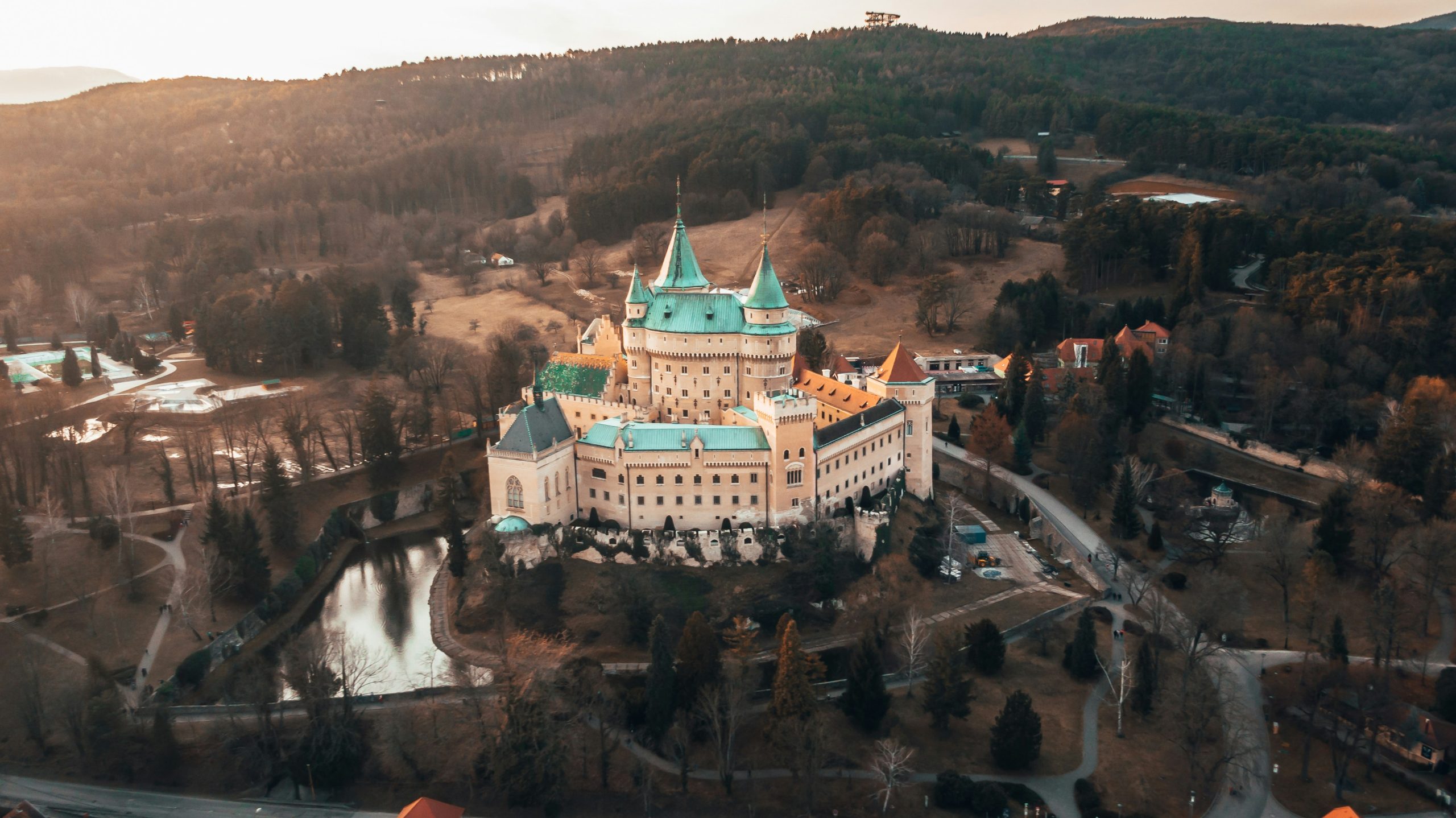
1-2 Years
Generational limit3 Generations or more
Minimum stay in the country?No
Requires a language Proficiency test?No
Citizenship by DescentHungary
Citizenship By Descent
Hungary offers a streamlined naturalization process for those with Hungarian ancestry, making it easier to obtain citizenship. Though it’s technically not a pure citizenship by descent program.What's the catch? You need to learn basic Hungarian. Applicants must pass a simple language interview, which can take 6–12 months of study. This requirement deters some, but those willing to put in the effort can fast-track their EU passport.
To qualify applicants must prove ancestry from historic Hungarian territories, which once included modern-day Romania, Slovakia, Serbia, and Ukraine before World War I.
The outcome? A Hungarian passport grants full EU rights, and the process typically takes about 12 months once all documents are submitted.Learn More

Around 1 year
Generational limit3 Generations or more
Minimum stay in the country?No
Requires a language Proficiency test?Yes
The Application Process To Obtain Citizenship
.Every citizenship by descent journey starts with an assessment, as different EU countries have unique requirements and processes. Expert consultants at Lincoln Global partners can review your family tree to pinpoint qualifying connections.
Document gathering typically takes 3-6 months. Start with U.S. vital records offices for recent generations, then work backward into foreign archives for older records.
Translation and certification follow strict country-specific rules. Every country requires proper authenticated translations for example, Italy mandates translations by court-approved translators before submission.
Submission processes vary widely. Ireland’s applications go through a simple online portal, while Italian consular applications require in-person appointments, and wait times often exceed a year.
Hungary mandates a basic language exam, while Polish officials may ask questions about your family history during processing.
Timelines range from as fast as 6 months (for simple German cases) to 3+ years (for Italian consular applications). Through this process, patience is essential. Some countries will also require interviews.
In any case, Lincoln Global Partners stands ready to guide you through this sometimes complicated process and will help you in your aim to acquire citizenship by descent in Europe.
Success Stories
.Cecilia Weber, a colleague at Lincoln Global Partners, was born in Brazil. But with her citizenship by descent process in Portugal, she was able to acquire EU citizenship and expand her opportunities globally. This second passport will provide her and her future generations with optionality and extensive mobility compared to what she was offered with her Brazilian citizenship.
There are thousands of stories just like Cecilia’s, from Spain to Germany to Poland to North and South America. Many have found themselves with far more career, travel, educational and residential opportunities with a second citizenship compared to their prior situation.
Conclusion
.European citizenship by descent is an affordable path to a second passport that can transform your travel, business and lifestyle options within the European Union.
The process requires patience and persistence, but the rewards last for generations. Unlike investment programs with hefty price tags, citizenship by descent is based on your authentic heritage connection and not financial contributions.
Every successful application begins with a simple question: Where did your family come from? Take time this week to ask older relatives about your ancestry. The stories you hear might lead to more than just memories, they could open doors to European citizenship.
For those with European ancestry, citizenship by descent is an inheritance waiting to be claimed. Your ancestors may have left with one-way tickets across the ocean, but their legacy includes the right to return.
Ready to explore your European citizenship options? Visit Lincoln Global Partners today for a free heritage assessment and take the first step toward your second passport.

Citizenship by Descent FAQ’s
Here are answers to some frequently asked questions about having a second citizenship.What is citizenship by descent?Citizenship by descent, also known as jus sanguinis (right of blood), is the principle by which citizenship is passed down from one generation to the next through family lineage.
Are there generational limits to claiming citizenship by descent in EU countries?Yes, generational limits vary by country.
What is the documentation typically required to apply for citizenship by descent in EU countries?The application process generally requires detailed documentation to prove your lineage. This typically includes birth certificates, marriage certificates and proof of citizenship of your ancestor, such as passports or citizenship records. Some countries also require proof that your ancestor did not lose their citizenship before the next generation was born, as well as evidence of your connection to the country, such as their emigration records.
Can citizenship by descent be restored if an ancestor lost their citizenship?In some EU countries, you may be able to restore citizenship if your ancestor lost it due to circumstances such as naturalization in another country or fleeing during a conflict. For example, descendants of Latvians who fled during WWII can apply for the restoration of citizenship. Similarly, descendants of Jews or others persecuted by the Nazi regime can often reclaim German citizenship.
What are the benefits of obtaining EU citizenship by descent?Obtaining EU citizenship by descent offers numerous benefits, including the right to live, work and study in any EU member state. It also provides access to social services, healthcare and education across the EU. Additionally, EU citizenship can enhance travel freedom with visa-free or visa-on-arrival access to many countries worldwide.