













The Mexico Retirement Visa, officially known as the Residente Temporal visa for retirees, is designed for foreign nationals who wish to spend their retirement years in Mexico.
It offers an appealing option for retirees due to Mexico’s lower cost of living, rich culture, warm climate, and proximity to the U.S. and Canada.
To qualify, applicants must provide proof of sufficient financial means, typically through retirement income or savings, ensuring they can support themselves without working while living in the country.
The visa grants temporary residency, with the possibility of renewal and, eventually, permanent residency.
This is your ultimate guide if retiring in Mexico is the goal. The guide also caters to those simply seeking a different permanent resident visa to enhance their global mobility.
What is Economic Solvency?
The term ‘Economic solvency’ used in the Mexican residency means how financially stable you are.
It is a means of assuring the Mexican authorities that one has the resources with which they can fend for themselves and dependants.
This can be proved either from a monthly income (passive or active); or with savings.
Why is Economic Solvency Important for the Mexican Residency?
As with any other country in the world, Mexico has its laws on Immigration that check on the employees’ ability and willingness to work and contribute to the economy of the region they wish to reside in.
By showing that you have sufficient income, what you are doing is a way of claiming to the authority that you and your family members have no dependence on the government.
Book A ConsultationWhat is the Difference Between a Retirement Visa and an Economic Means Visa?
The Mexico Retirement Visa (Residente Temporal) and the Economic Solvency Visa are both types of temporary residency permits, but they cater to different groups.
The Retirement Visa is specifically for retirees, requiring applicants to demonstrate a steady pension or retirement income, making it ideal for those who no longer work and wish to spend their retirement years in Mexico.
On the other hand, the Economic Solvency Visa is broader, and available to any foreigner who can show sufficient financial resources, such as savings or investment income, regardless of whether they are retired.
This visa is not limited to retirees and can be used by individuals who may still be working remotely, investors, or others who meet the financial requirements. Both visas grant either temporary or permanent residency- based on your available income, as we will discuss further below.
In summary, the retirement visa implies that the income to be proved must come from a passive income (i.e pension, rental income, financial ROI, etc.), while the Economic Means Visa does not mandatorily specify the type of source.
Mexican Retirement Visa Requirements: Who Can Apply for a Permanent Resident Visa Straightaway?
To determine your economic solvency for Mexican residency, the Mexican government evaluates your financial situation based on two primary factors: monthly income and balance of the savings. It is normally computed using the Mexican Minimum Wage as the base for evaluation.
UMA and Minimum Wage
Before we go into the specific requirements, it’s essential to understand the two units used for calculating economic solvency:
- UMA (Unidad de Medida y Actualización): This is a unit of measurement that is found in Mexico especially when measuring various economic values. It is amended periodically to show current levels of inflation and other integral economic values.
- Mexican Minimum Wage: This is the minimum amount of compensation an employer is required to pay to an employee for their work. The minimum wage varies slightly across different regions of Mexico.
In most of their calculations, the Mexican Consulates use the Minimum Wage but in rare cases, they might consider the UMA.
What Are the Financial Requirements for an Individual?
- Permanent Residency Economic Requirements
For a permanent resident visa, you have two options to demonstrate your economic solvency:
- Based on Monthly Income Savings Balance: The other way is to prove that you have a minimum of 20,000 times the minimum wage in savings. In other words, you must show about 4,978,600 MXN in your savings account (Approximately U$ 230,000).
- Temporary Residency Economic Requirements
The requirements are less stringent if you’re aiming for a temporary resident permit:
- Based on Monthly Income or Savings Balance: You have to demonstrate a minimum monthly income of 500 times the Mexican Minimum Wage. For instance, the Minimum Wage in Mexico City is $248.93 in 2024, you would need to prove a monthly income of approximately MXN 124,465 in minimum savings (Approximately U$ 6,000 per month or U$ 73,000 per annum).
Important Information:
Bank Statements from your bank account: It may take about 6-12 months of bank statements to provide proof of income to the consulate. This will vary according to your case.
Immigration Fees Understanding the Costs for the Mexico Retirement Visa
Well, you already know what else is required in terms of economic solvency: the immigration fees to allow you apply for a residency.
The fees are differently charged depending on the category of the residency that one is applying for and the validity period of the permit.
2024 Immigration Fees
Here’s a breakdown of the immigration fees for 2024:
Temporary Residency Visa Payment
- 1 Year: MXN 5,328
- 2 Years: MXN 7,984
- 3 Years: MXN 10,112
- 4 Years: MXN 11,985
Permanent Residency Visa Payment
- Initial Application: MXN 6,495
- Transition from Temporary to Permanent: MXN 8,197
Additional Costs for the Mexican Retirement Visa Application
In addition to the immigration fees, you may also incur other costs, such as:
Translation Fees: All your documents ought to be in the Spanish language – if not, get them translated by a certified translator.
Medical Examinations: A consulate may demand for a medical check-up before they grant a residence permit.
Get a full breakdown of the Mexican Retirement Visa costs from our team, by clicking here.


Not sure how this fits your strategy?
A focused consultation to assess your objectives and shortlist the right options.
What are the Documents Required For Mexican Residency?
To apply for Mexican residency, you’ll need to meet several requirements, including:
- Economic Solvency: As we emphasized earlier, here’s where you need to reflect your enough financial resources via savings, investments, or income.
- Valid Passport: Your passport must be valid for at least sixty days beyond the intended stay in Mexico.
- No Criminal Record: You should not be a criminal in your country who will debar you from entering Mexico.
- Health Insurance: There may be a need to present an identity card or health insurance documents from where you attend your health services.
- Bank Statements: You will need to provide bank statements from the past 6-12 months.
- Supporting Documents: Under special circumstances, you may be asked to submit more papers like a letter from your employer, marriage certificate or birth certificates of your dependents respectively.
What Are the Best Places to Live in Mexico?
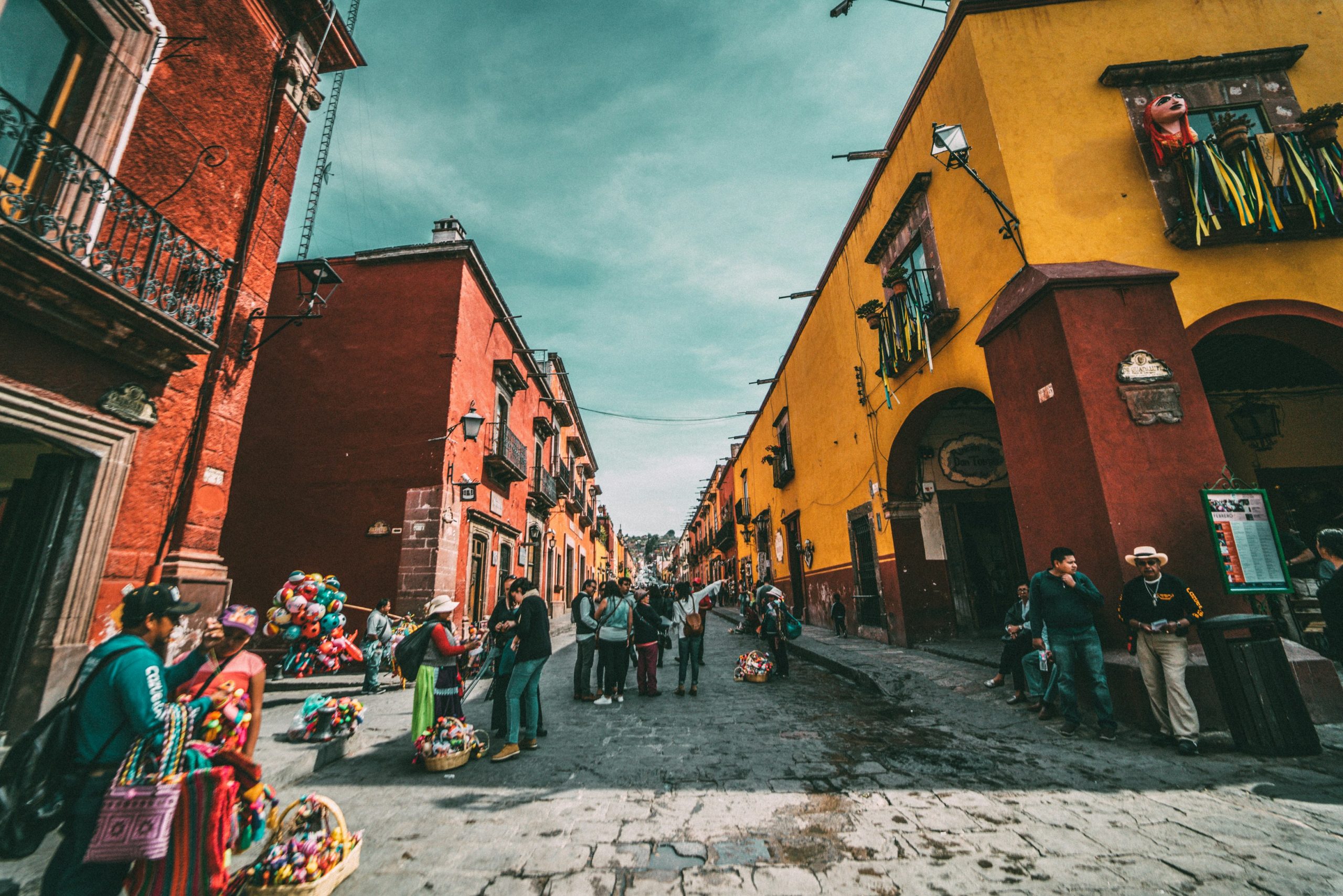
For those seeking the best places to live in Mexico under the Mexico Retirement Visa, several cities and regions stand out for their lifestyle offerings, affordability, and expat-friendly communities.
San Miguel de Allende: A UNESCO World Heritage Site, is popular for its vibrant arts scene, colonial architecture, and strong expat community.
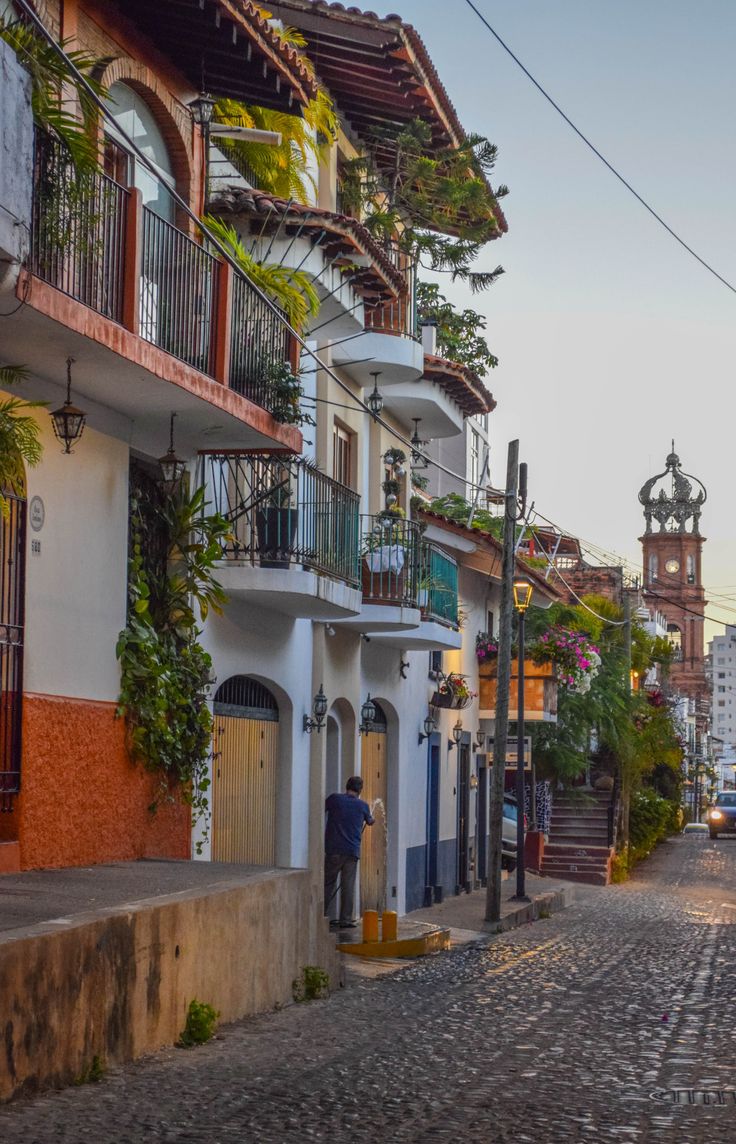
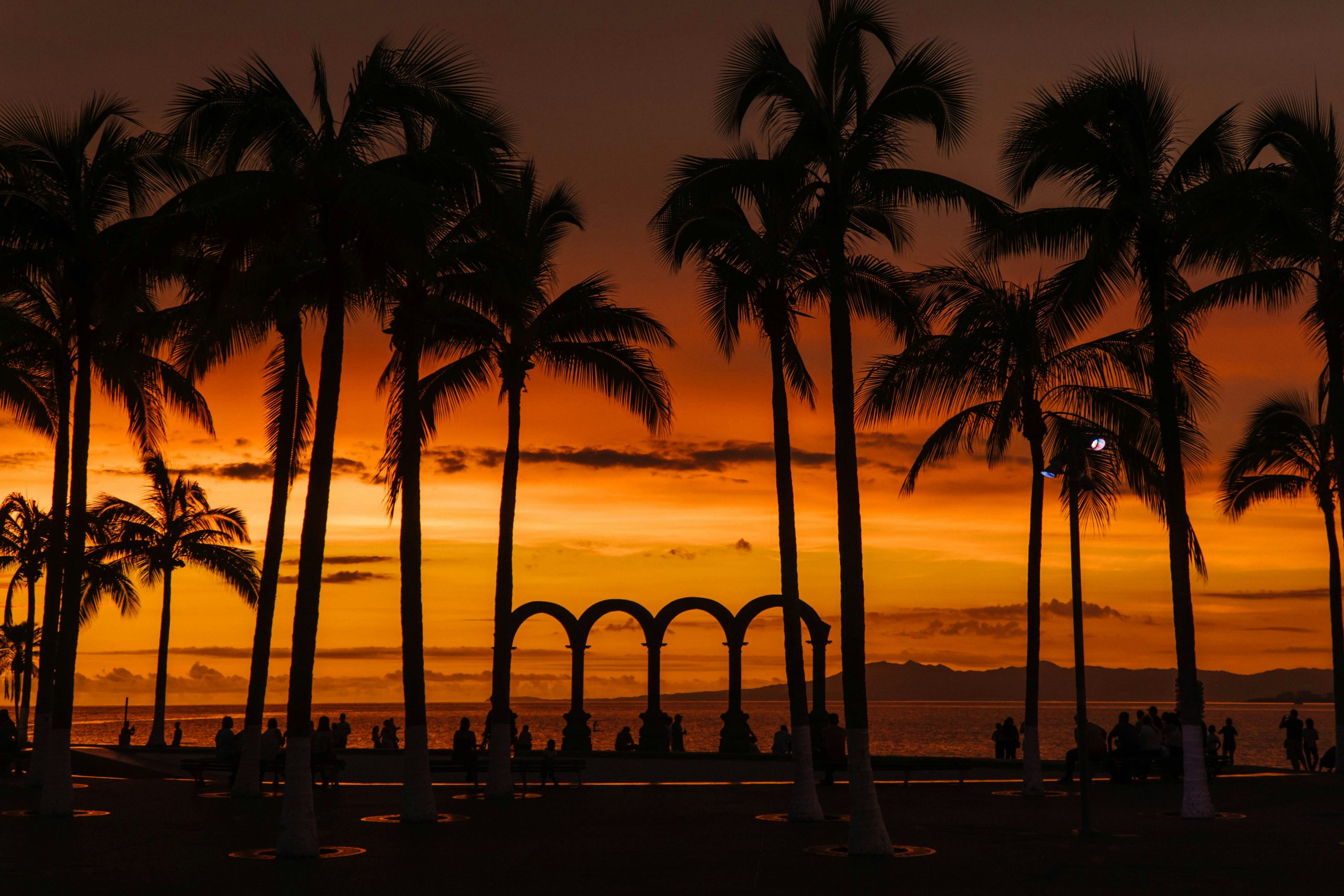
Puerto Vallarta: This city combines beach living with modern amenities, making it ideal for retirees who enjoy coastal life.
Lake Chapala: Particularly in towns like Ajijic, is another expat haven, offering a pleasant climate, a large English-speaking community, and affordable living.
Merida: In the Yucatan Peninsula, is known for its cultural richness, safety, and proximity to beaches, making it a favorite among retirees looking for a mix of history and relaxation.
Mexico City: Appeals to those who crave urban living, with world-class healthcare, restaurants, and cultural activities. All of these locations offer a comfortable lifestyle for those who qualify for the Mexico Retirement Visa.

How Much Does it Cost to Live in Puerto Vallarta?
The cost of living in Puerto Vallarta can vary depending on your lifestyle, but it is generally more affordable than in many U.S. or Canadian cities.
For a comfortable lifestyle, including rent, groceries, dining out, and entertainment, a family of four might expect to spend between U$1,500 to U$ 2,500 per month, without rent.
A single person might expect U$ 600,00 of monthly expenses, without rent.
Rent for a one-bedroom apartment in the city center or near the beach can range from U$600 to U$1,200 USD, while utilities, including electricity, water, and internet, usually cost around $100 to U$150 USD.
Dining out is quite affordable, with a meal at a mid-range restaurant costing around U$10 to U$15.
Of course, your overall expenses will depend on personal preferences, such as whether you prefer luxury accommodations or live more frugally.
Is Mexico Good for Retirees?
Yes, Mexico is an excellent choice for retirees, especially for those considering the Mexico Retirement Visa. The country offers a combination of affordable living, a warm climate, and a vibrant culture that appeals to many retirees.
With the Mexico Retirement Visa, retirees can enjoy long-term stays without the need for constant renewals, allowing them to experience Mexico’s rich lifestyle without hassle.
Mexico’s healthcare system is also highly regarded, with access to both public and private services at a fraction of the cost compared to the U.S.
Furthermore, many expat communities thrive in popular retirement destinations like Puerto Vallarta, San Miguel de Allende, and Lake Chapala, making it easier for newcomers to adjust.
Overall, the low cost of living, quality healthcare, and welcoming environment make Mexico a top retirement destination.
How can you Apply? Mexico Retirement Visa
Book A ConsultationStep 1: Initial consultation with Lincoln Global Partners
This should be your first step so that our team can do a comprehensive review of your eligibility and help you understand all the options available at your disposal to qualify for a resident permit in Mexico.You will also get a clear idea of the extent of due diligence and preliminary preparation required to ensure minimal complications at a later date.
Step 2: Gather Documents up
Collect relevant documents, which include birth certificate, marital status documentation, valid passport, income proof, 4 x photographs, criminal record certificate, an insurance policy, as well as the medical examination results.
Step 3: Application Submittance
At this stage you must book an appointment at the nearest Mexican consulate. This can be done via email. This stage tends to be the longest throughout the application process, as one must wait for an available appointment date. Consult our team for more information.
Step 4: Biometric Data
The applicant may be expected to submit his or her fingerprints and a photograph.
Step 5: Approval
After submitting, the application must be processed and approved by the relevant authorities.
Step 6: Visa Received
s your application finishes getting reviewed, you will be informed on your likelihood of obtaining residency. If all goes well, you will be granted a temporary residency permit.

Mexico Healthcare Options
Retiring in Mexico requires attention when choosing your health insurance. Mexico offers public health care to all its residents, including foreigners who hold a temporary or permanent resident visa.
This includes hospitals and clinics operated by the Mexican Social Security Institute and the Institute for Health and Social Security for State Workers.
While Mexico’s public healthcare system is very affordable, it may not always meet the expectations of some expatriates, and facilities can sometimes be overcrowded. As a result, many American retirees opt for private healthcare.
Private healthcare in Mexico is of high quality and remains significantly more affordable than in the U.S. and Canada. In larger cities and areas with a high number of expatriates, there are modern hospitals and clinics equipped with advanced technology and staffed by highly trained doctors, many of whom speak English. It is recommended to have private health insurance to cover the costs of this higher-level care.
Expats in Mexico can choose between international or local health insurance plans. International insurance is usually more expensive but offers the flexibility of receiving treatment abroad, including in the United States.
Local plans, while more affordable, only cover services within Mexico. Some retirees also keep their U.S. Medicare coverage while using a local insurance plan in Mexico for everyday medical needs.

What Happens to My US Retirement Benefits if I Retire in Mexico?
For Americans living in Mexico, these are the main retirement benefits changes you should consider:
Social Security
U.S. Social Security benefits remain accessible while living in Mexico. The Social Security Administration (SSA) can send payments to most countries, including Mexico. You can choose to have your benefits deposited into a U.S. bank account, or in some cases, directly into a Mexican bank account. It’s important to notify the SSA about your move to prevent any disruption in your payments.
Pension Plans
If you receive a pension from a private company or a government job, it’s essential to consult with your pension administrator to understand how international payments are handled. Most pensions can be received abroad, but the process, fees, and requirements may vary. Similar to Social Security, you can generally have the payments deposited into either a U.S. or Mexican bank account.
401(k) and IRA Withdrawals
You can make withdrawals from retirement accounts like 401(k)s and IRAs while living in Mexico, but U.S. tax regulations still apply. It’s important to manage withdrawals carefully to reduce tax liabilities and minimize losses due to currency conversion.
Medicare
Medicare does not cover healthcare in Mexico, so you’ll need to find alternative health insurance if you move there. Some retirees maintain their Medicare coverage and travel back to the U.S. for medical treatment, while others opt for private Mexican health insurance or pay for healthcare services out of pocket.
Do American Retirees Need to Pay Tax While Living in Mexico?
If you spend over 183 days in Mexico, you will be taxed over your worldwide income: US Citizens will be taxed on both the United States and Mexico. To avoid double taxation it is crucial to consult a tax specialist and understand the benefits that the IRS provides, such as the Foreign Tax Credit, Foreign Earned Income Exclusion and others.
Lincoln Global Partners: Mexico Retirement Visa Consultants Apply with us today!
Lincoln Global Partners is an international immigration consultancy firm that specializes in Residency and Citizenship programs. Our team of specialised Dominican Republican Retirement Visa consultants will help you throughout the journey, including the question whether this is the right program for you in the first place.You can start with a complimentary consultation to set the ball rolling. Our team members are located across the world, which means we offer local and regional assistance in multiple countries to make your dream of retiring in a paradise come true.
At Lincoln Global Partners, we assist clients from the US, the UK, South East Asia, the Indian subcontinent, and Africa keen on exploring investment migration programs and second citizenship programs offered by different countries across the world.
With us by your side, you will be assured of our best efforts in helping you have a great experience in quickly qualifying for residence in Mexico from your home country.
Mexico Retirement Visa : Frequently asked Questions
Checkout our FAQ's or reach out to us directly via the contact form at the bottom of the page with further questions.What is the Mexico Retirement Visa?The Mexico Retirement Visa (Residente Temporal) is a temporary residency permit for retirees who wish to live in Mexico long-term. It allows foreign nationals to stay in the country for up to four years, provided they meet certain financial requirements.
Who qualifies for the Mexico Retirement Visa?The Mexico Retirement Visa is designed for individuals who are retired and can demonstrate sufficient financial resources, usually through a steady retirement income or substantial savings, to support themselves while living in Mexico.
How long is the Mexico Retirement Visa valid?The Mexico Retirement Visa is initially valid for one year. After the first year, it can be renewed for up to three additional years, giving a total of four years of temporary residency. After that, one can request Permanent Residency (if not already acquired right away).
Consult our team for more information.
Do I need to pay taxes in Mexico if I have a Mexico Retirement Visa?If you reside in Mexico for more than 183 days a year, you may be considered a tax resident. However, Mexico has tax treaties with many countries, including the U.S. and Canada, which may prevent double taxation on your foreign income.
How do I apply for the Mexico Retirement Visa?You can apply at a Mexican consulate in your home country or country of residence. The application process includes submitting financial documentation, filling out forms, and possibly attending an interview.
Can my spouse or dependents be included in my Retirement Visa application?Yes, your spouse or dependents can apply as family members of a Mexico Retirement Visa holder, but they must also meet certain financial requirements, either through combined income or additional proof of resources.
What are the benefits of the Mexico Retirement Visa?The Mexico Retirement Visa allows for long-term stays without frequent renewals, access to Mexico’s healthcare system, and the option to apply for permanent residency after four years. It also provides the flexibility to live in Mexico year-round or part-time, depending on your preferences.