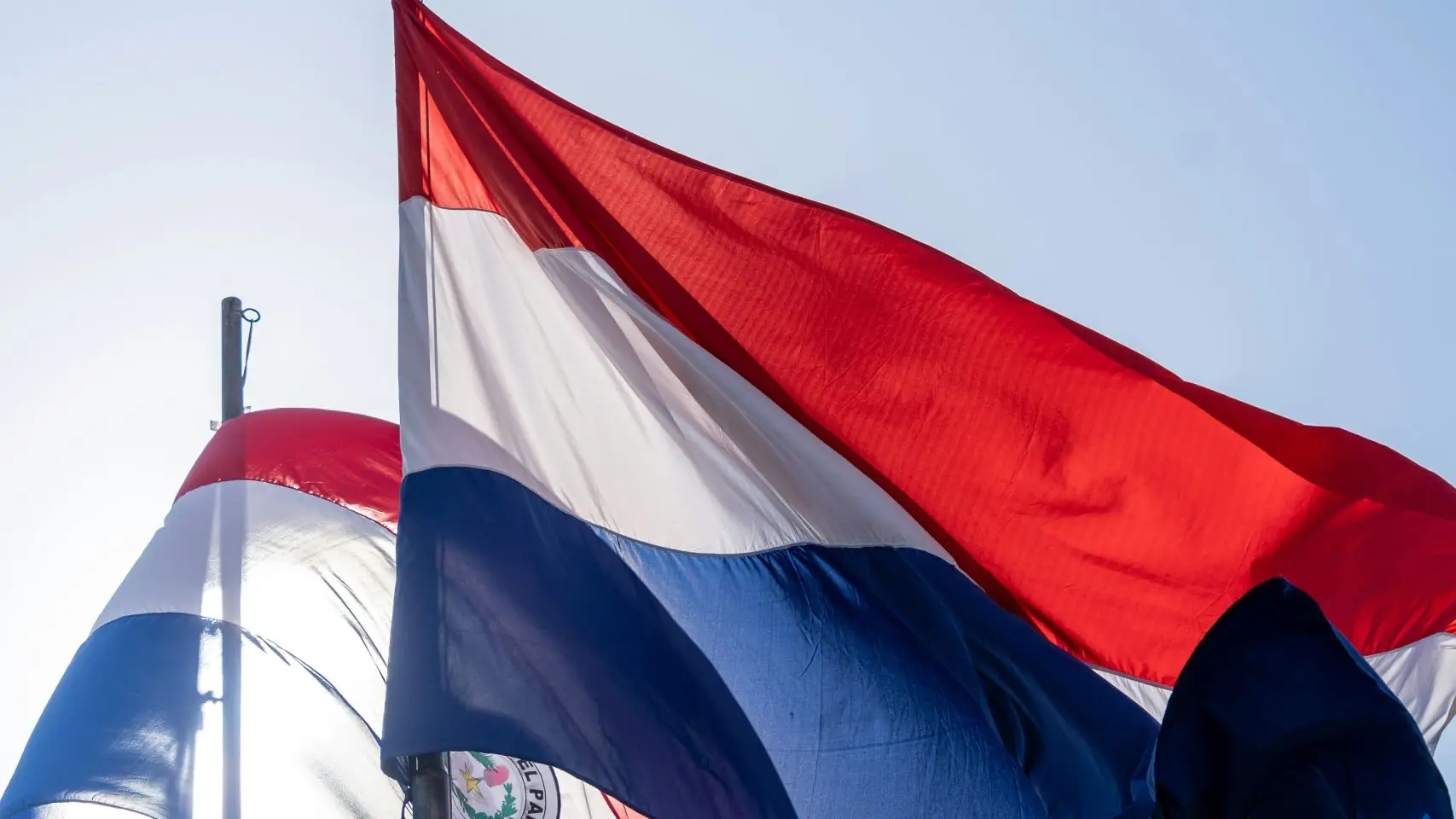






































The Paraguay Investor Pass is a brand new investment migration programme that provides foreign investors with direct permanent residency in Paraguay — bypassing the temporary residency phase entirely — through qualifying investments starting at just USD 150,000.
Paraguay is one of South America’s best kept secrets. A landlocked country in the heart of the Southern Cone, Paraguay has quietly become one of the most attractive destinations for international investors, entrepreneurs and digital nomads who value low taxation, personal freedom and a cost of living that makes most of Europe and North America look absurd.
The country operates a territorial tax system which means that only locally generated income is taxable. Foreign-source income is not taxed. Period. Combine that with a three-year pathway to citizenship, Mercosur settlement rights, a stable and growing economy with Moody’s investment-grade status, and one of the most foreigner-friendly property ownership frameworks anywhere in the Americas, and the picture becomes very clear.
Paraguay is not a “maybe.” It is a “now.”
Book A Consultation“Paraguay delivers the most aggressive tax optimisation available anywhere in the Americas. The country taxes only domestic-source income at 10%. Foreign income faces no taxation whatsoever. For pure tax optimisation at minimal cost, no comparable option exists in the Western Hemisphere.”
— David Lincoln, Founder & CEO of Lincoln Global Partners, writing in IMI Daily
Lived Jurisdictional Experience
On The Ground in Paraguay
Lincoln Global Partners is not a firm that recommends countries from behind a desk. Our founder David Lincoln applied for residency in Paraguay more than four years ago and holds permanent residency in the country. He has spent significant periods living between Paraguay and other Latin American countries, personally navigating the residency process, the tax system, the real estate market and the day-to-day realities of life on the ground in the Southern Cone.
This hands-on experience is central to what we do. We know the countries most attractuive neighbourhoods, the legal landscape and the pitfalls on of course the best local lawyers and real estate developers. We know what it feels like to walk into a Paraguayan bank for the first time, to sit in the Migraciones office in Asunción, and to hand over documents at SUACE. When we advise clients on Paraguay, it comes from years of lived experience — not from a brochure.
That is our edge. And in a market where Paraguay’s residency applications have surged from 28,000 in 2024 to a projected 80,000 in 2026, having a partner who actually lives in the country is no longer a luxury. It is a necessity.

“$200K into property in a booming real estate market, in exchange for direct permanent residency in the Southern Cone is fair value. Arguably undervalued for what you get on the ground. Prices will rocket. Early movers win.”
— David Lincoln, Founder & CEO of Lincoln Global Partners, speaking to IMI Daily
Book A ConsultationParaguay Permanent Residency ProgramWhat is the Paraguay Investor Pass?
On 16 April 2026, Paraguay’s Ministry of Industry and Commerce (MIC) and the Dirección Nacional de Migraciones jointly launched the Paraguay Investor Pass during an official government mission in Brazil. The programme was announced by MIC Minister Marco Riquelme and Migraciones Director Jorge Kronawetter.
The Investor Pass is an entirely new instrument. It creates a direct pathway from foreign investor to permanent resident through three qualifying investment categories — without any requirement for temporary residency, company formation or a business plan.
This is the most significant development in Paraguayan investment migration since the SUACE programme was introduced in 2013. It signals that the Paraguayan government is serious about positioning the country as a competitive destination for international investment capital.
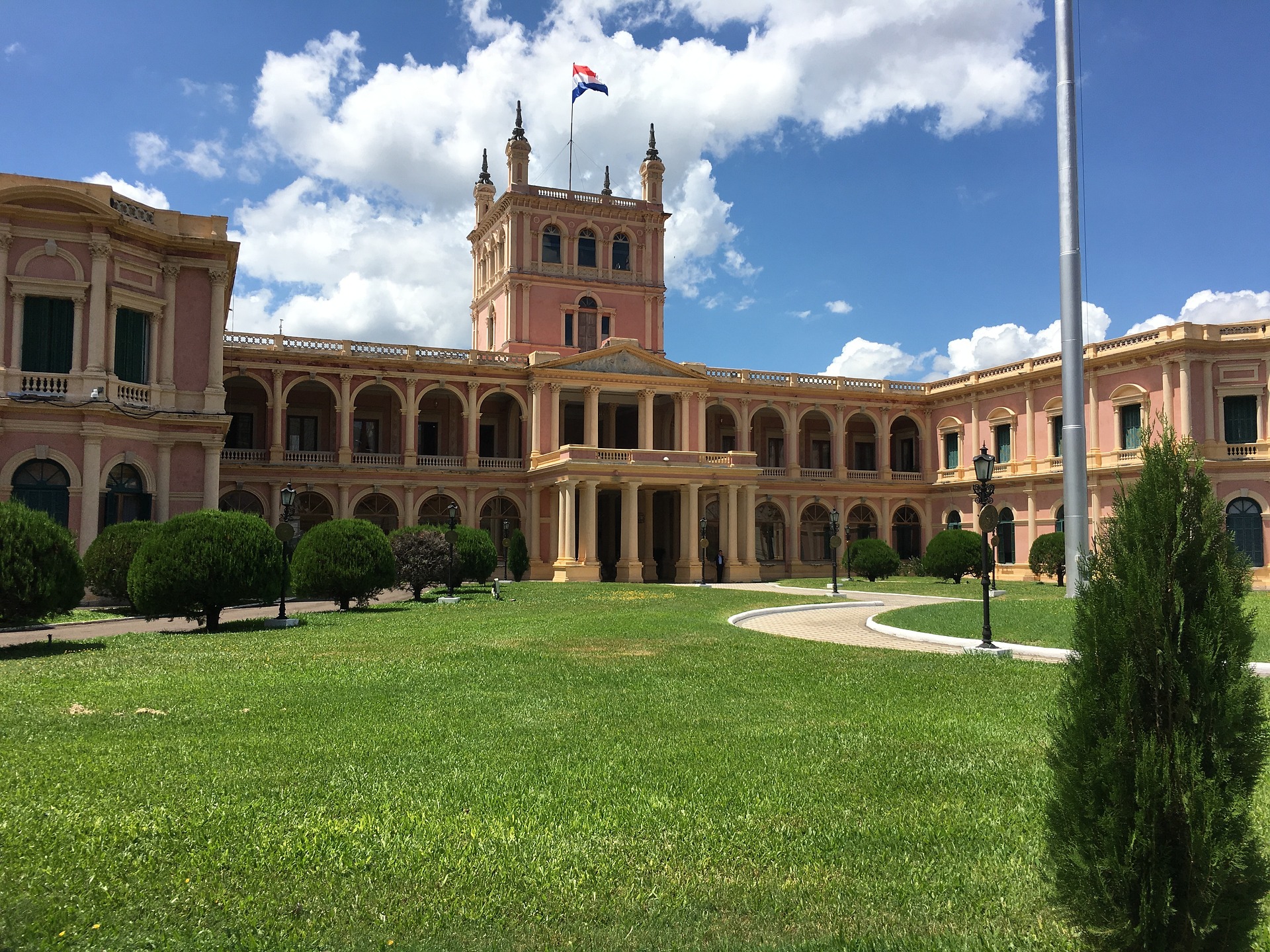
Paraguay Investor Pass Investment Requirements
In order to qualify for direct permanent residency through the Paraguay Investor Pass, foreign investors must make a qualifying investment in one of the following three categories:
- Tourism Projects — USD 150,000 minimum. Investment in qualifying tourism developments across Paraguay. This is the lowest entry threshold of the three pathways.
- Paraguayan Securities (Bolsa de Valores) — USD 200,000 minimum. Investment in the Paraguayan stock exchange. A passive and liquid pathway that does not require direct involvement in business operations.
- Paraguayan Real Estate — USD 200,000 minimum. Direct property investment in the Paraguayan real estate market. The most tangible and familiar investment option for the majority of international investors.
All three pathways lead to the same outcome: direct permanent residency with no temporary residency phase required.
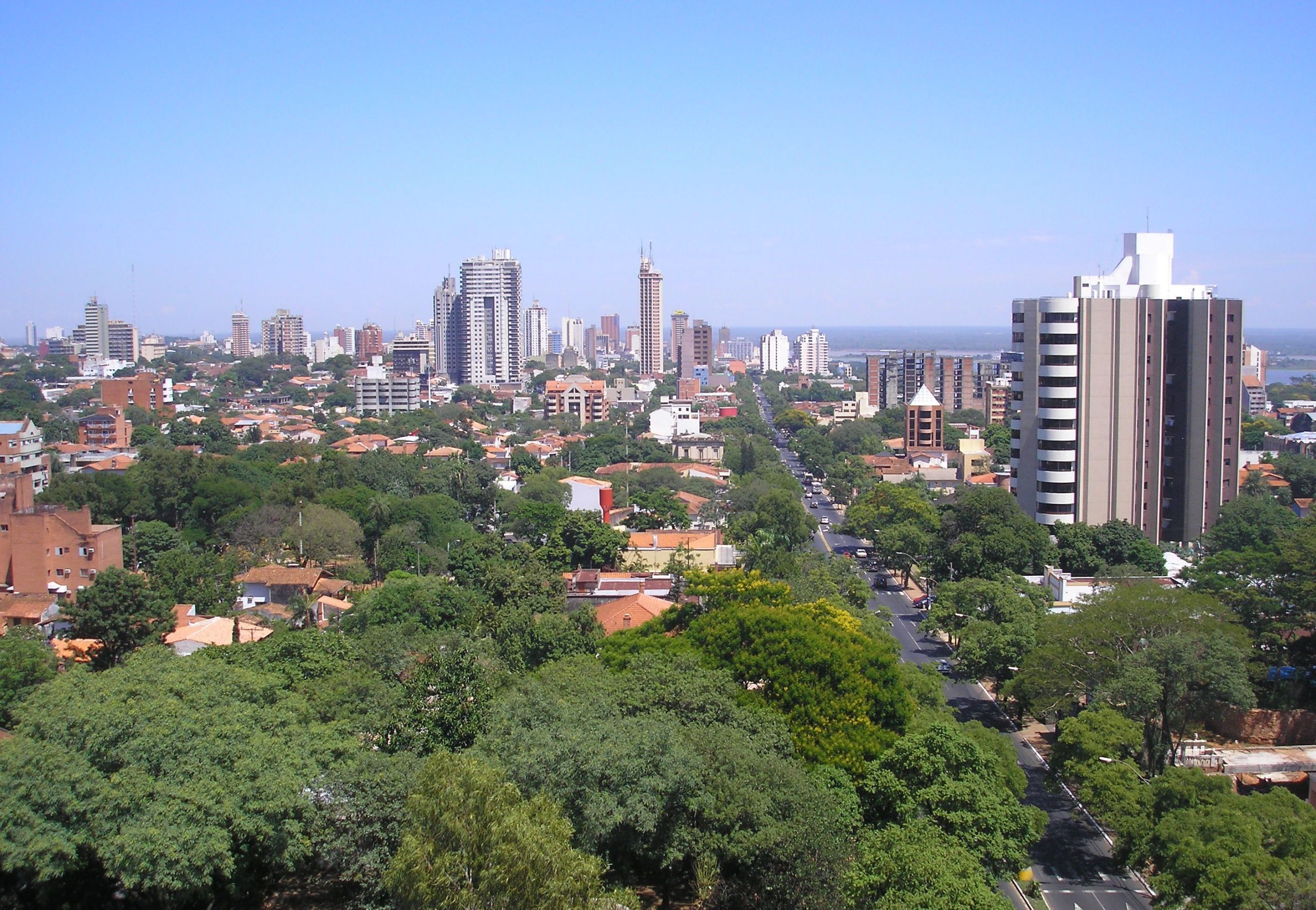
Paraguay Permanent Residency Requirements
In order to qualify for direct permanent residency through the Paraguay Investor Pass, applicants must meet the following requirements:
- A qualifying investment in one of the three eligible categories: USD 150,000 in tourism projects, USD 200,000 in the Paraguayan stock exchange (Bolsa de Valores), or USD 200,000 in Paraguayan real estate.
- The main applicant must be aged 18 or above.
- Applicants must hold clean criminal records.
- Applicants must obtain an Investor Certificate (Certificado de Inversionista) issued by the Ministry of Industry and Commerce (MIC), which now covers tourism, securities and real estate categories alongside the original productive investment category.
- The application is processed through a single-window system integrating immigration, tax and identification procedures, administered jointly by SUACE and the Dirección Nacional de Migraciones.
- The process is predominantly electronic. Physical presence in Paraguay is required only for the issuance of the cédula de identidad (national ID card).
- To maintain permanent residency, holders must visit Paraguay at least once every three years.
- Qualifying investors benefit from a reduced dividend tax rate of 8%, down from the standard 15% resident rate.
Paraguay Investor Pass: Family Reunification
Investors can include the following dependent family members on their Paraguay Investor Pass applications, in line with standard Paraguayan immigration law:
- The Spouse
- Children under the age of 18
- Dependent children up to any age
- Dependent parents
Once the main applicant secures permanent residency through the Investor Pass, dependent family members can apply for residency through family reunification. Family members gain the same rights as the main applicant, including access to the cédula de identidad, local bank accounts and the pathway to Paraguayan citizenship after three years of tax residency.
Note: Specific dependent inclusion procedures under the Investor Pass are expected to follow standard Paraguayan immigration rules. Lincoln Global Partners will update this section as the programme’s operational guidelines are formally published.
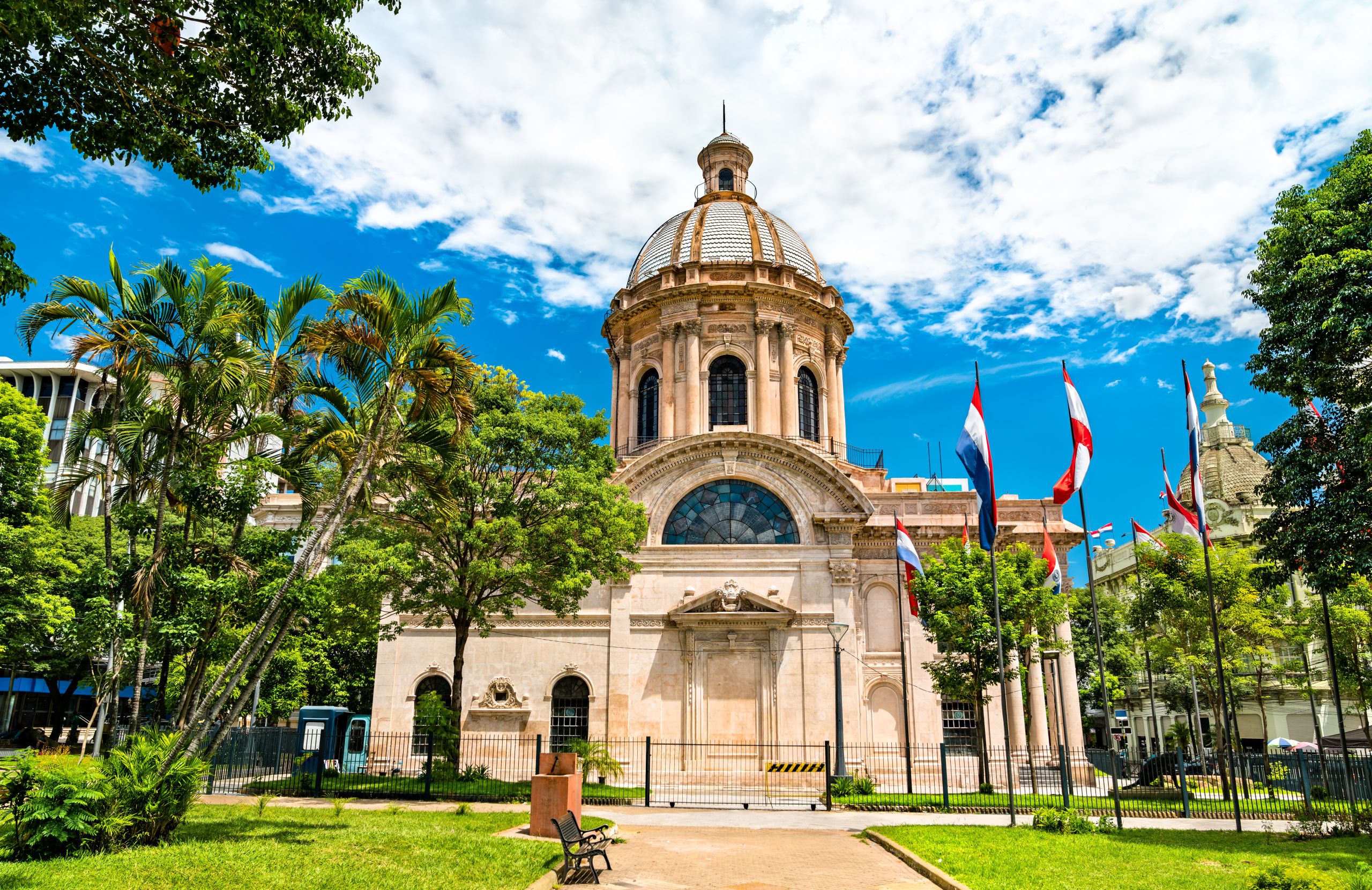
Paraguay Permanent Residency Benefits
Direct Permanent Residency — No Temporary Phase
Unlike the traditional residency route in Paraguay, which requires approximately two years of temporary residency before conversion to permanent status, the Investor Pass grants direct permanent residency from the outset. There is no multi-trip requirement. No two-year waiting period. No conversion process.
The Ultimate Plan B
Paraguay and South America as a whole often tend to stay out of international conflicts, regional wars are extremely rare and the continent has historically served as a safe haven for those looking to escape catastrophic events across the globe. Paraguay can provide the perfect Plan B.
Three-Year Pathway to Paraguayan Citizenship
After three years of tax residency, permanent residents can apply for Paraguayan citizenship by naturalisation. Paraguay permits dual citizenship. The Paraguayan passport provides visa-free or visa-on-arrival access to approximately 145–148 countries and carries Mercosur settlement rights across nine South American nations including Argentina, Brazil and Uruguay.
[Book A Consultation]
Flexible Stay Requirements
The Paraguay Investor Pass has flexible minimum stay requirements. Investors must visit at least 1 day in every 3 year period as Permanent Residents in Paraguay.
The Fastest Growing Economy in Latin America
Paraguay is currently the fastest growing economy in the region with GDP growth of 4.4%, Moody's investment-grade status, public debt of just 35% of GDP, and a booming construction sector that has grown 43% in the last decade. Investors are entering at the ground floor of an economy that is repricing itself in real time.
Qualifying Investor Pass holders benefit from a reduced tax rate on dividends of just 8%, down from the standard 15% resident rate. This is a meaningful fiscal incentive that compounds with Paraguay's already-competitive territorial tax system.
Mostly Digital Application Process
The application and approval process is predominantly electronic. Physical presence in Paraguay is required only for the issuance of the cédula de identidad (national ID card). This is a significant advantage for international investors who may not be able to make multiple trips during the application process.
The Gateway to South America
Paraguay sits at the strategic heart of South America, bordered by Argentina, Brazil and Bolivia, and serves as a gateway to the continent's two largest economies. As a full Mercosur member, Paraguayan permanent residents gain settlement rights across the entire bloc — including Argentina, Brazil, Uruguay, Colombia, Chile, Ecuador, Peru and Bolivia.
Family Reunion
Investors can include dependent family members on their Paraguay residency applications
Diversify Your Investment Portfolio
Invest into Paraguays Booming Real Estate Market and Diversify your investment portfolio
Paraguay's Territorial Tax System/u>
Paraguay taxes only domestically-sourced income at a flat rate of 10%. Foreign-source income — consulting fees, portfolio returns, overseas rental income, foreign dividends — is not taxed at all. There is no wealth tax, no inheritance tax, and property taxes are negligible by international standards. Capital can be freely repatriated with no exchange controls.

Not sure how this fits your strategy?
A focused consultation to assess your objectives and shortlist the right options.
Paraguay Investor Pass vs SUACE Programme: How Do They Compare?
Until now, the SUACE programme was the only accelerated route to permanent residency in Paraguay. The Investor Pass does not replace SUACE — it is a parallel pathway with meaningfully different parameters.
| Feature | Paraguay Investor Pass | SUACE Programme |
|---|---|---|
| Residency Type | Direct permanent residency | 10-year permanent residency |
| Minimum Investment | USD 150,000 (tourism) or USD 200,000 (securities/real estate) | USD 70,000 over 10 years |
| Investment Structure | Passive — tourism, securities, or real estate | Active — company formation with business plan |
| Temporary Residency Phase | None | None |
| Company Required | No | Yes |
| Dividend Tax Rate | 8% (reduced) | 15% (standard) |
| Application Process | Mostly digital; in-person only for cédula | In-person; 45 days to 6 months |
| Maintenance | Expected: one visit every 3 years | One visit every 3 years |
| Path to Citizenship | 3 years of tax residency | 3 years of tax residency |
| Ideal For | HNWIs seeking passive, structured residency | Entrepreneurs and business operators |
The bottom line: the Investor Pass is a higher-threshold but lower-friction alternative. For investors who want residency tied to a tangible asset rather than an active business obligation, this is the cleaner pathway.

Paraguay’s Residency Application Surge
The numbers behind the Investor Pass launch are striking. According to Migraciones Director Jorge Kronawetter, speaking at the programme’s launch event in Brazil:
- 2024: 28,000 residency applications
- 2025: 47,000 residency applications (68% increase year-on-year)
- 2026 (projected): 80,000 residency applications
That is a projected near-tripling of application volume in just two years. The majority of applicants are Brazilian, followed by Argentines. Significantly, European nationals from Germany, Spain and the Netherlands have shown consistent growth — a strong signal that Paraguay’s territorial tax system is now understood in the markets that matter most.
This surge is exactly why the Investor Pass was created. Paraguay is no longer a niche option. It is a mainstream destination for sovereignty-minded investors.
Photo · Paraguay Residency Applications

Paraguay Real Estate Market: The USD 200,000 Investment Pathway
Of the three Investor Pass pathways, real estate is the most tangible, most familiar and — for the majority of our clients — the most compelling. The USD 200,000 threshold sits at a sweet spot: high enough to signal serious intent, low enough to unlock genuine value in a market that remains significantly underpriced by regional and global standards.
Why Paraguay Real Estate in 2026
Paraguay’s real estate market is at an inflection point. Several macro factors are converging:
- Investment-grade credit rating (Moody’s Baa3). Awarded in 2024, this milestone has historically preceded a decade or more of sustained real estate appreciation. Lima, Montevideo and Santiago all experienced exactly this pattern following their own investment-grade upgrades.
- GDP growth averaging 4% annually over the past two decades, with the construction sector growing 43% over the last decade and the broader real estate sector expanding 31% since 2015.
- Prices in Asunción range from approximately USD 900–1,500/m² in prime central districts. This is roughly half the cost of comparable new-build stock in Buenos Aires or São Paulo. For investors accustomed to European or North American pricing, these entry points are exceptionally low for a capital city in an investment-grade economy.
- Long-term residential rental yields of 6–10% net annually. Short-term rentals (Airbnb) can reach 10–12%+ with professional management. Rents are frequently denominated in USD, reducing currency risk.
- Annual price appreciation of 5–7% adds a capital gains layer on top of rental income.
- Full foreign ownership rights. Under Law 117/91, foreign nationals have the same property ownership rights as Paraguayan citizens. No special permits. No local partner requirement. No residency requirement to purchase.
Why the Fundamentals Are Converging Now
Start with the credit ratings, because they tell you where the institutional money is going. Paraguay secured investment-grade status from Moody’s in July 2024 and S&P in December 2025. That matters for one very specific reason: every comparable Latin American market that crossed this threshold — Lima in 2007, Montevideo in 2012, Santiago in the early 2000s — experienced a decade or more of sustained real estate price appreciation. Institutional capital cannot flow into sub-investment-grade markets. Once the rating flips, the capital follows. Paraguay just flipped.
The stock exchange tells a similar story. The Bolsa de Valores de Asunción migrated to Nasdaq-powered trading infrastructure in January 2026. That is not a cosmetic upgrade. It is a signal to international capital that Paraguay’s financial markets are professionalising at a pace that most frontier economies cannot match. President Peña’s broader industrial mandate — attracting manufacturing, logistics and technology investment — is creating the kind of economic diversification that turns a commodity-dependent economy into a structurally growing one.
Capital is already moving. Brazilians are the largest foreign buyer group in Asunción, redirecting money that previously went to Punta del Este or Florianópolis into a market where entry prices are a fraction of either. Argentines are second, driven by the same instinct that has always pushed capital out of Buenos Aires during periods of political uncertainty — except now they are choosing Asunción over Montevideo because the cost basis is dramatically lower. Bolivians have arrived more recently, fleeing political deterioration at home. And since 2020, a growing cohort of Americans, Germans, Dutch and Canadians has entered the market, drawn by the territorial tax system and the cost of living.
When capital flows into a small market from five or six directions simultaneously, and the local population is also expanding, prices do not stay where they are.
Paraguay’s demographics reinforce this. The fertility rate sits close to 2.5 children per woman — the highest in South America — which guarantees sustained housing demand for the next two decades regardless of what happens with immigration. Urbanisation is still catching up: Paraguay remains one of the least urbanised countries in the region, meaning Asunción is absorbing population from the interior at a rate that will not slow down any time soon. More people, same amount of prime land, concentrated around three shopping malls in a compact city centre. The arithmetic is straightforward.
Then there is resource independence — something most investment migration clients do not think about until it matters. Paraguay generates virtually all of its electricity from renewable hydropower through the Itaipú and Yacyretá dams. Electricity is cheap. The country sits on the Guaraní Aquifer, one of the largest freshwater reserves on the planet. It is a net food exporter — beef, soy, grains — producing far more than its population of seven million could ever consume. In a world where energy security, water access and food supply are becoming genuine geopolitical concerns, Paraguay is one of a handful of countries that could sustain itself almost entirely from its own resources.
The Bioceanic Corridor adds the final layer. This coast-to-coast infrastructure project — connecting Brazil’s Atlantic ports to Chile’s Pacific coast through Paraguay — is well under construction and will fundamentally reshape the country’s logistics position. Paraguay has always been penalised by landlocked geography. The Bioceanic Corridor eliminates that disadvantage and opens direct export routes that bypass Argentina’s unreliable infrastructure entirely. For real estate, major transport infrastructure is a proven long-term catalyst. The areas along the corridor’s Paraguayan section are already attracting speculative development capital.
None of these tailwinds exist in isolation. Investment-grade ratings attract institutional capital. Nasdaq infrastructure attracts portfolio investment. Demographic growth creates housing demand. Resource independence creates resilience. The Bioceanic Corridor creates connectivity. Stack them together in a market where prime real estate still costs USD 900–1,500/m² and you have a window that will not stay open indefinitely.
Best Neighbourhoods in Asunción for Real Estate Investment
Paraguay Real Estate Market: The USD 200,000 Investment Pathway
Of the three Investor Pass pathways, real estate is the most tangible, most familiar and — for the majority of our clients — the most compelling. The USD 200,000 threshold sits at a sweet spot: high enough to signal serious intent, low enough to unlock genuine value in a market that remains significantly underpriced by regional and global standards.
Why Paraguay Real Estate in 2026
Paraguay’s real estate market is at an inflection point. Several macro factors are converging:
- Investment-grade credit rating (Moody’s Baa3, S&P). Awarded in 2024 and 2025 respectively, these milestones have historically preceded a decade or more of sustained real estate appreciation. Lima, Montevideo and Santiago all experienced exactly this pattern following their own investment-grade upgrades.
- GDP growth averaging 4% annually over the past two decades, with the construction sector growing 43% over the last decade and the broader real estate sector expanding 31% since 2015.
- Prices in Asunción range from approximately USD 900–1,500/m² in prime central districts. This is roughly half the cost of comparable new-build stock in Buenos Aires or São Paulo. For investors accustomed to European or North American pricing, these entry points are exceptionally low for a capital city in an investment-grade economy.
- Long-term residential rental yields of 6–10% net annually. Short-term rentals (Airbnb) can reach 10–12%+ with professional management. Rents are frequently denominated in USD, reducing currency risk.
- Annual price appreciation of 5–7% adds a capital gains layer on top of rental income.
- Full foreign ownership rights. Under Law 117/91, foreign nationals have the same property ownership rights as Paraguayan citizens. No special permits. No local partner requirement. No residency requirement to purchase.
Why the Fundamentals Are Converging Now
Start with the credit ratings, because they tell you where the institutional money is going. Paraguay secured investment-grade status from Moody’s in July 2024 and S&P in December 2025. That matters for one very specific reason: every comparable Latin American market that crossed this threshold — Lima in 2007, Montevideo in 2012, Santiago in the early 2000s — experienced a decade or more of sustained real estate price appreciation. Institutional capital cannot flow into sub-investment-grade markets. Once the rating flips, the capital follows. Paraguay just flipped.
The stock exchange tells a similar story. The Bolsa de Valores de Asunción migrated to Nasdaq-powered trading infrastructure in January 2026. That is not a cosmetic upgrade. It is a signal to international capital that Paraguay’s financial markets are professionalising at a pace that most frontier economies cannot match. President Peña’s broader industrial mandate — attracting manufacturing, logistics and technology investment — is creating the kind of economic diversification that turns a commodity-dependent economy into a structurally growing one.
Capital is already moving. Brazilians are the largest foreign buyer group in Asunción, redirecting money that previously went to Punta del Este or Florianópolis into a market where entry prices are a fraction of either. Argentines are second, driven by the same instinct that has always pushed capital out of Buenos Aires during periods of political uncertainty — except now they are choosing Asunción over Montevideo because the cost basis is dramatically lower. Bolivians have arrived more recently, fleeing political deterioration at home. And since 2020, a growing cohort of Americans, Germans, Dutch and Canadians has entered the market, drawn by the territorial tax system and the cost of living.
When capital flows into a small market from five or six directions simultaneously, and the local population is also expanding, prices do not stay where they are.
Paraguay’s demographics reinforce this. The fertility rate sits close to 2.5 children per woman — the highest in South America — which guarantees sustained housing demand for the next two decades regardless of what happens with immigration. Urbanisation is still catching up: Paraguay remains one of the least urbanised countries in the region, meaning Asunción is absorbing population from the interior at a rate that will not slow down any time soon. More people, same amount of prime land, concentrated around three shopping malls in a compact city centre. The arithmetic is straightforward.
Then there is resource independence — something most investment migration clients do not think about until it matters. Paraguay generates virtually all of its electricity from renewable hydropower through the Itaipú and Yacyretá dams. Electricity is cheap. The country sits on the Guaraní Aquifer, one of the largest freshwater reserves on the planet. It is a net food exporter — beef, soy, grains — producing far more than its population of seven million could ever consume. In a world where energy security, water access and food supply are becoming genuine geopolitical concerns, Paraguay is one of a handful of countries that could sustain itself almost entirely from its own resources.
The Bioceanic Corridor adds the final layer. This coast-to-coast infrastructure project — connecting Brazil’s Atlantic ports to Chile’s Pacific coast through Paraguay — is well under construction and will fundamentally reshape the country’s logistics position. Paraguay has always been penalised by landlocked geography. The Bioceanic Corridor eliminates that disadvantage and opens direct export routes that bypass Argentina’s unreliable infrastructure entirely. For real estate, major transport infrastructure is a proven long-term catalyst. The areas along the corridor’s Paraguayan section are already attracting speculative development capital.
None of these tailwinds exist in isolation. Investment-grade ratings attract institutional capital. Nasdaq infrastructure attracts portfolio investment. Demographic growth creates housing demand. Resource independence creates resilience. The Bioceanic Corridor creates connectivity. Stack them together in a market where prime real estate still costs USD 900–1,500/m² and you have a window that will not stay open indefinitely.
Life in Asunción: A Compact City Built Around Its Malls
Before looking at specific neighbourhoods, there is one thing every investor needs to understand about Asunción: this is a small, compact city — and daily life revolves almost entirely around three major shopping centres.
These are not just places to shop. They are where people eat, socialise, work from cafés, exercise, meet for business and spend their evenings. For the growing wave of digital nomads and expat renters driving Airbnb demand, walkability to one of these three malls is not a preference — it is a requirement. Properties within a 10–15 minute walk command materially higher rents, shorter vacancies and stronger appreciation than those even a short drive away.
This is the single most important factor when selecting a property under the Investor Pass real estate pathway. Proximity to these malls is what determines rental demand, nightly rates and long-term value.
Shopping Mariscal is the social hub of Asunción, sitting between Villa Morra and Recoleta and feeding directly into the Paseo Carmelitas entertainment strip. This is where young professionals, expats and digital nomads gravitate. For Airbnb investors, proximity to Shopping Mariscal is the key selling point — guests want to walk to restaurants, bars, coworking spaces and shops. This mall is the centre of gravity for the city’s most in-demand rental neighbourhoods.
Shopping del Sol is located in Las Lomas, Asunción’s most prestigious residential area. International brands, high-end dining, cinema and a steady flow of foot traffic. Properties within walking distance of Shopping del Sol sit in the city’s highest-value residential zone — embassies, gated communities and the diplomatic quarter. This is the anchor for the luxury end of the market.
Paseo La Galería is Asunción’s newest and most modern mall, located in Ycua Satí. It has rapidly become the benchmark for premium retail and dining. The surrounding area is experiencing fast real estate development — traditional houses alongside new apartment blocks going up at pace. Prices depend heavily on how close you are to the mall, with a wide range reflecting a neighbourhood in transition.
The takeaway is simple: the neighbourhoods that surround these three malls are where demand is strongest, vacancies are lowest and appreciation is most predictable. When we advise Investor Pass clients on the USD 200,000 real estate pathway, these are the areas we focus on first.
Best Neighbourhoods in Asunción for Real Estate Investment
Asunción is a walkable city at its core. The prime neighbourhoods cluster tightly around the three malls, and the difference between a five-minute walk and a fifteen-minute drive can mean 20–30% in rental yield and nightly Airbnb rates. For investors deploying USD 200,000 under the Investor Pass, the target is simple: established, high-demand areas within walking distance of Shopping Mariscal, Shopping del Sol or Paseo La Galería.
Villa Morra & Recoleta
Price range: USD 1,200–2,300/m² | Gross yield: 5–8% | Best for: Capital preservation, long-term rentals and owner-occupiers
These two neighbourhoods sit side by side and share the same anchor: Shopping Mariscal. Villa Morra is the commercial heart — embassies, international restaurants, premium cafés, gyms and boutiques lining leafy avenues. Recoleta is its quieter, more residential neighbour — colonial charm, tree-lined streets, green parks and established schools. Together they form the default zone for foreign investors, expat owner-occupiers and long-term corporate tenants.
Because the city is compact, both neighbourhoods are genuinely walkable to Shopping Mariscal and the Paseo Carmelitas dining and nightlife strip. Airbnb guests routinely cite this walkability as the reason they book here. Long-stay digital nomads — those booking for weeks or months — gravitate toward Recoleta for the quieter home base while still being a short walk from the action in Carmelitas. Short-stay guests favour Villa Morra for the immediate proximity to everything.
Rental demand across both neighbourhoods is relentless. Vacancy rates are consistently among the lowest in the city.
What USD 200K buys: In Villa Morra, a well-located modern 1–2 bedroom apartment in a new development with pool, gym and 24-hour security. In Recoleta, a spacious 2–3 bedroom apartment or a family home with outdoor space at a slightly lower price point. The sweet spot for combined rental yield and appreciation.
Carmelitas
Price range: USD 1,500–2,200/m² | Gross yield: 6–8% | Best for: Airbnb and short-term rental income
Adjacent to Villa Morra and home to Paseo Carmelitas — the most vibrant nightlife and dining district in Paraguay. Carmelitas has become the default neighbourhood for digital nomads, young professionals and short-stay visitors who want to be in the middle of everything on foot.
This is arguably the best Airbnb neighbourhood in the entire city. The combination of Shopping Mariscal within walking distance, the Paseo Carmelitas bar and restaurant strip running through the centre, and Villa Morra’s amenities a short walk away creates a concentration of foot traffic and rental demand that no other neighbourhood matches. Nightly Airbnb rates here regularly hit USD 50–80+ for well-furnished studios and one-beds, with occupancy rates above 85%.
What USD 200K buys: A modern furnished 2-bedroom apartment in a high-rise with amenities. The buy-to-let play in the city’s highest-demand short-term rental zone.
Las Lomas
Price range: USD 1,500–2,500/m² | Gross yield: 5–7% | Best for: Privacy, families and long-term living
Las Lomas is Asunción’s most exclusive residential neighbourhood, anchored by Shopping del Sol. Tree-lined streets, large plots, gated properties and some of the highest property values in the country. This is where Paraguay’s diplomatic community, established business families and high-net-worth expats choose to live. Embassies, private security, green space and quiet. If Villa Morra is Asunción’s commercial heart, Las Lomas is where the serious money lives.
The proximity to Shopping del Sol gives Las Lomas its own self-contained ecosystem — residents rarely need to leave the neighbourhood for daily life. This means lower short-term rental demand than the Mariscal-anchored neighbourhoods, but higher-calibre long-term tenants and stronger capital preservation. This is the neighbourhood for investors who plan to use the property themselves or target high-end corporate lets rather than Airbnb.
What USD 200K buys: A high-spec apartment in a boutique development or a standalone house with a garden in a gated community. Less rental yield than Carmelitas, but unmatched quality of life and long-term capital preservation.
Ycua Satí
Price range: USD 1,300–2,200/m² | Gross yield: 6–8% | Best for: Early-stage appreciation in a high-end neighbourhood in transition
Ycua Satí is where Paseo La Galería sits — Asunción’s newest and most modern mall. The neighbourhood is high-end but still in transition: traditional houses sit alongside new apartment blocks going up at pace, drawn by the mall’s position as the city’s premium retail and dining destination. This creates a wide price range that depends almost entirely on how close you are to the mall.
Properties within walking distance of Paseo La Galería command prices approaching Las Lomas levels. Move a few blocks further out and the entry points drop significantly — creating a genuine value gap for investors who understand the micro-geography. This is the kind of development corridor that Villa Morra represented a decade ago: established enough to be safe, early enough to capture meaningful appreciation.
Cheaper than Las Lomas, but not cheap. The quality of new developments here is high, and the trajectory is clearly upward.
What USD 200K buys: A premium 2-bedroom apartment in a new development close to Paseo La Galería, or a larger unit further from the mall with room for appreciation as the neighbourhood densifies. The best risk-adjusted entry point for investors who want high-end without paying Las Lomas prices.
Las Mercedes
Price range: USD 1,000–1,500/m² | Gross yield: 8–10% | Best for: Growth and yield combined
An emerging neighbourhood gaining traction for its artistic energy, historic architecture and growing café and cultural scene. Las Mercedes is residential and quieter than the mall-anchored core, but strategically located with easy access to commercial hubs. Increasingly popular among locals and expats seeking value without sacrificing quality.
Further from the mall cluster means lower nightly Airbnb rates — but the entry price is significantly cheaper, yields are higher and the appreciation upside is strong as the neighbourhood gentrifies. This is where your capital stretches furthest in a high-quality area.
What USD 200K buys: A luxury 3-bedroom penthouse, a standalone house with a garden, or a small portfolio of two rental units. The contrarian play for maximum return.
Luque
Price range: USD 800–1,200/m² | Gross yield: 8–10% | Best for: Maximum capital appreciation
Just outside central Asunción, Luque is experiencing rapid development driven by two major anchors: Aeropuerto Internacional Silvio Pettirossi and Parque Ñu Guasú, the city’s largest green space. The area around the airport is attracting commercial and residential development at pace, while the park gives the neighbourhood a lifestyle draw that most satellite cities lack.
Luque is beyond walking distance from the central mall ecosystem, which limits short-term rental premiums — but the entry prices are the lowest of any quality area in the metropolitan region and the appreciation upside is the highest. Infrastructure is improving fast, connectivity to central Asunción is strong, and the combination of airport proximity and green space is attracting both local families and foreign investors looking for value.
This is the play for investors buying on a five-to-ten year horizon who want maximum capital gains rather than maximum nightly rates. As greater Asunción expands, Luque is where the growth is heading.
What USD 200K buys: A diversified portfolio of 2–3 entry-level investment units generating strong net yields, or a large family home with land near Parque Ñu Guasú. The long-horizon play for maximum return.
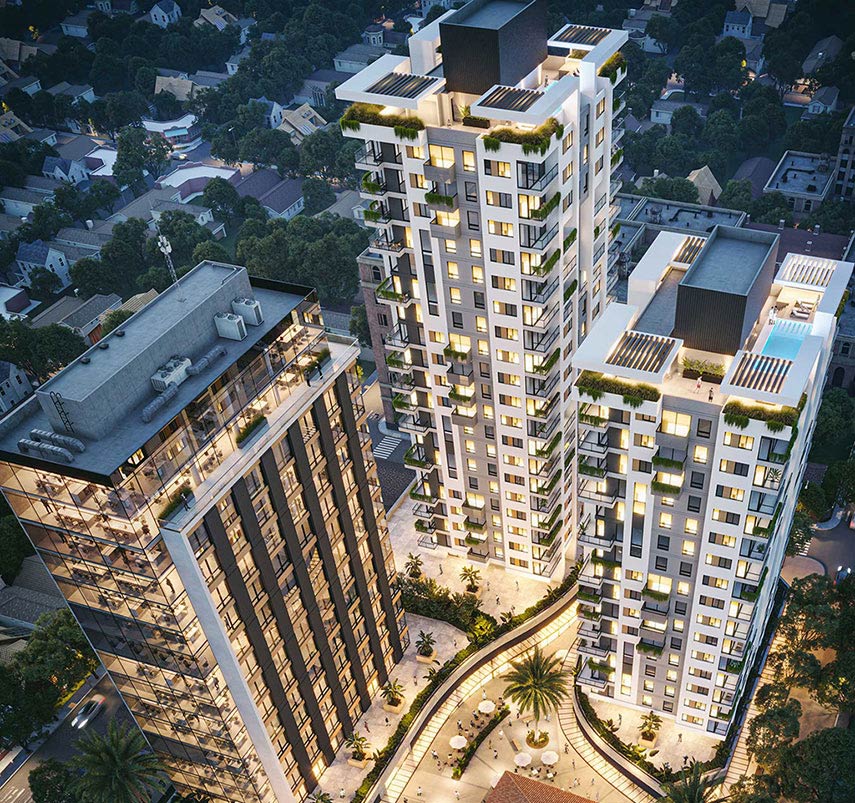
How to Apply for the Paraguay Investor Pass
Based on the programme’s announced parameters, the application process follows a streamlined, mostly digital pathway:
Book A ConsultationStep 1: Initial Consultation with Lincoln Global Partners
During our consultation we will discuss your specific situation, investment preferences and long-term objectives. We will help you determine which of the three investment pathways — tourism, securities or real estate — best aligns with your goals and present you with a clear roadmap for the entire process.Step 2: Investment Selection and Structuring
Select and structure your qualifying investment. For the real estate pathway, this means identifying the right property in the right neighbourhood. For securities, it means setting up access to the Bolsa de Valores de Asunción. Our team provides guidance on investment selection based on years of on-the-ground experience in the Paraguayan market.Step 3: MIC Investor Certification
Apply for the Certificado de Inversionista through the Ministry of Industry and Commerce. This certificate — now expanded to cover tourism, securities and real estate categories alongside the traditional productive investment category — is the key qualifying document for the programme.Step 4: Permanent Residency Application
Submit the permanent residency application through the joint SUACE/Migraciones digital platform. The process is described as predominantly electronic, reducing the need for multiple in-person visits.Step 5: Travel to Paraguay for Cédula Issuance
Travel to Paraguay for the in-person issuance of the cédula de identidad (national ID card). This is the only stage of the process that requires physical presence in the country.Step 6: Permanent Residency Confirmed
Receive your permanent residency status. From here you can open local bank accounts, establish tax residency, benefit from the reduced 8% dividend tax rate, and begin the three-year pathway to Paraguayan citizenship.
Renewing your Permanent Residency and Cedula
Investors must visit at least 1 time every 3 years in order to maintain residency in Paraguay. Your Cedula must be renewed every 10 years.
The Southern Cone: Ultimate Plan B Residencies
The Paraguay Investor Pass does not exist in isolation. It sits within the broader context of the Southern Cone — a region that is one of the most self-sufficient in the world, capable of sustaining itself almost entirely in a worst-case scenario. Food, water, energy, land — the Southern Cone has all four in abundance. No other region on earth combines this level of resource independence with accessible investment migration pathways.
The Southern Cone and its immediate neighbours now present five distinct investment migration pathways — each serving a different strategic objective:
Uruguay offers European-calibre quality of life and one of the most straightforward paths to permanent residency in the region through its economic means programme — proof of passive income or sufficient savings, no major investment required. The real play for HNWIs is the tax residency framework. New tax residents can choose between a 10-year exemption on foreign holding income or a 7% flat rate for life. However, the rules tightened recently under “Tax Holiday 2.0” — accessing the 10-year exemption now requires a qualifying investment of USD 2 million in Uruguayan real estate or USD 100,000 per year into an innovation fund. Even with the updated thresholds, Uruguay remains unmatched for institutional stability, democratic governance and lifestyle. The “Switzerland of South America” and a natural complement to Paraguay within a broader Southern Cone strategy.
Argentina’s CBI Programme will offer one of the world’s most powerful passports when it launches — 172 visa-free destinations and a pending US Visa Waiver application. But the programme provides no tax benefits, the master agent tender was recently cancelled after legal challenges, investment thresholds remain undefined and the timeline is uncertain. Worth watching. Not worth waiting for.
Brazil’s Golden Visa provides temporary residency through real estate investment — BRL 700,000 (approximately USD 140,000) in the North or Northeast, or BRL 1,000,000 (approximately USD 200,000) elsewhere in the country. The programme leads to permanent residency after four years and citizenship after a further four, with one of the strongest passports in Latin America at the end of it. Brazil also offers the VIPER investor visa for those who want immediate permanent residency through a direct business investment of BRL 500,000. For investors drawn to the world’s ninth-largest economy, a 200-million-person consumer market and over 7,000 kilometres of coastline, Brazil is a serious proposition — particularly the Northeast, where the real estate play and the residency pathway converge at the lowest entry point.
Chile’s Start-Up Visa (Visa Tech) targets entrepreneurs and founders building technology and innovation-led businesses. Chile has long positioned itself as Latin America’s most business-friendly jurisdiction — the strongest rule of law on the continent, a deep network of venture capital, and free trade agreements with over 60 countries. The Start-Up Visa provides a one-year temporary residency that can convert to permanent status, with citizenship available after five years. Chile’s passport is the most powerful in Latin America at 189 visa-free destinations. For founders and tech entrepreneurs, this is the Southern Cone entry point that makes the most strategic sense.
Apply for the Paraguay Investor Pass with Lincoln Global Partners
Lincoln Global Partners is an international investment migration consultancy headquartered in Dubai with deep on-the-ground expertise across the Southern Cone. We provide end-to-end guidance from initial consultations and investment selection through to residency application and citizenship planning. If you are ready to explore how the Paraguay Investor Pass can serve as the foundation of your Plan B, we are ready to help.
Paraguay Investor Pass: Frequently Asked Questions
What is the minimum investment for the Paraguay Investor Pass?The minimum investment is USD 150,000 for the tourism pathway, or USD 200,000 for the securities or real estate pathways.
Do I need to form a company in Paraguay?No. Unlike the SUACE programme, the Investor Pass does not require company formation or a business plan. The investment itself is the qualifying action.
Do I need to have temporary residency first?No. The entire point of the Investor Pass is that it grants direct permanent residency without any temporary phase.
What tax benefits does the programme offer?Investor Pass holders who become tax residents benefit from a reduced dividend tax rate of 8% (versus the standard 15%). This sits within Paraguay’s broader territorial tax system where foreign-source income is not taxed at all, and domestic income is taxed at a flat 10%.
Can I include my family?Details on dependent inclusion under the Investor Pass specifically are expected to follow standard Paraguayan immigration rules. Under existing frameworks, spouses, dependent children and dependent parents can typically be included.
What tax benefits does the programme offer?Investor Pass holders who become tax residents benefit from a reduced dividend tax rate of 8% (versus the standard 15%). This sits within Paraguay’s broader territorial tax system where foreign-source income is not taxed at all, and domestic income is taxed at a flat 10%.
How long does the process take?The programme has been described as mostly digital. Exact processing timelines will become clearer as the programme becomes operational. The MIC and Migraciones have committed to providing guided support through a single-window system.
Can I get citizenship through this programme?Yes, but only after you have lived in Paraguay for at least 9 months per year for a period of 3 years as a permanent resident. You can apply for Paraguayan citizenship by naturalization. The passport provides visa-free access to approximately 145–148 countries.
Do I need to live in Paraguay to maintain my residency?Under existing Paraguayan immigration rules, permanent residents must visit the country at least once every three years to maintain their status. The Investor Pass is expected to follow the same requirement.
Can foreigners own property in Paraguay?Yes. Under Law 117/91, foreign nationals have the same property ownership rights as Paraguayan citizens. No special permits, no local partner requirement, and no residency requirement to purchase.
How does the Investor Pass compare to the SUACE programme?The Investor Pass is a higher-threshold (USD 150K–200K versus USD 70K) but lower-friction alternative. It does not require company formation, a business plan or ongoing business operations. The Investor Pass also includes a reduced 8% dividend tax rate that SUACE does not.
Is Paraguay a safe country?Paraguay is a peaceful country that has historically stayed out of international conflicts. The Southern Cone as a whole is one of the most self-sufficient and geographically insulated regions in the world. Within Asunción, the established expatriate neighbourhoods such as Villa Morra, Carmelitas and Recoleta have strong private security and low rates of violent crime.
Why should I choose Lincoln Global Partners?We are not a firm that recommends countries from a desk. We know the market, the process and the realities of life in Paraguay from direct, personal experience.