


















Does Spain Offer a Digital Nomad Visa?
Yes, the Spain Digital Nomad Visa was established in January 2023 as part of the country’s ‘Start up Act’, offering a thrilling experience for freelancers and remote workers to live, as well as work in one of Europe’s most fascinating and culturally rich countries.
It was designed for non-EU citizens who have a remote job with non-Spanish companies outside of Spain or as a self-employed individual. The digital nomad visa allows wishful digital nomads to throw themselves into Spain’s remarkable landscapes, tasteful cuisine, and of course diverse culture.
The Spanish digital nomad visa grants a Temporary Residency Permit. The application process is straightforward, and if approved, applicants will hold a digital nomad visa valid for up to 12 months. The visa can be renewed for the next 5 years, as long as the criteria are still met.
This digital nomad visa guide explains the benefits, the eligible criteria, the application process, mandatory documentation, and tax regulations, to ensure a calm and easy transition to your new life as a digital nomad in Spain.
What is the Minimum Income for a Digital Nomad Visa in Spain?
For Spain’s digital nomad visa, remote workers must showcase an income of at least € 2,300 per month (approximately), corresponding to 200% of the minimum wage or savings in the amount of € 26,000 in the bank account.
In our guide, we will enlist all the main eligibility requirements to qualify for the Spain Digital Nomad Visa.
Benefits of the Spain Digital Nomad Visa Why Choose Spain for Remote Work?
The Spain Digital Nomad Visa presents a whole range of advantages, including:
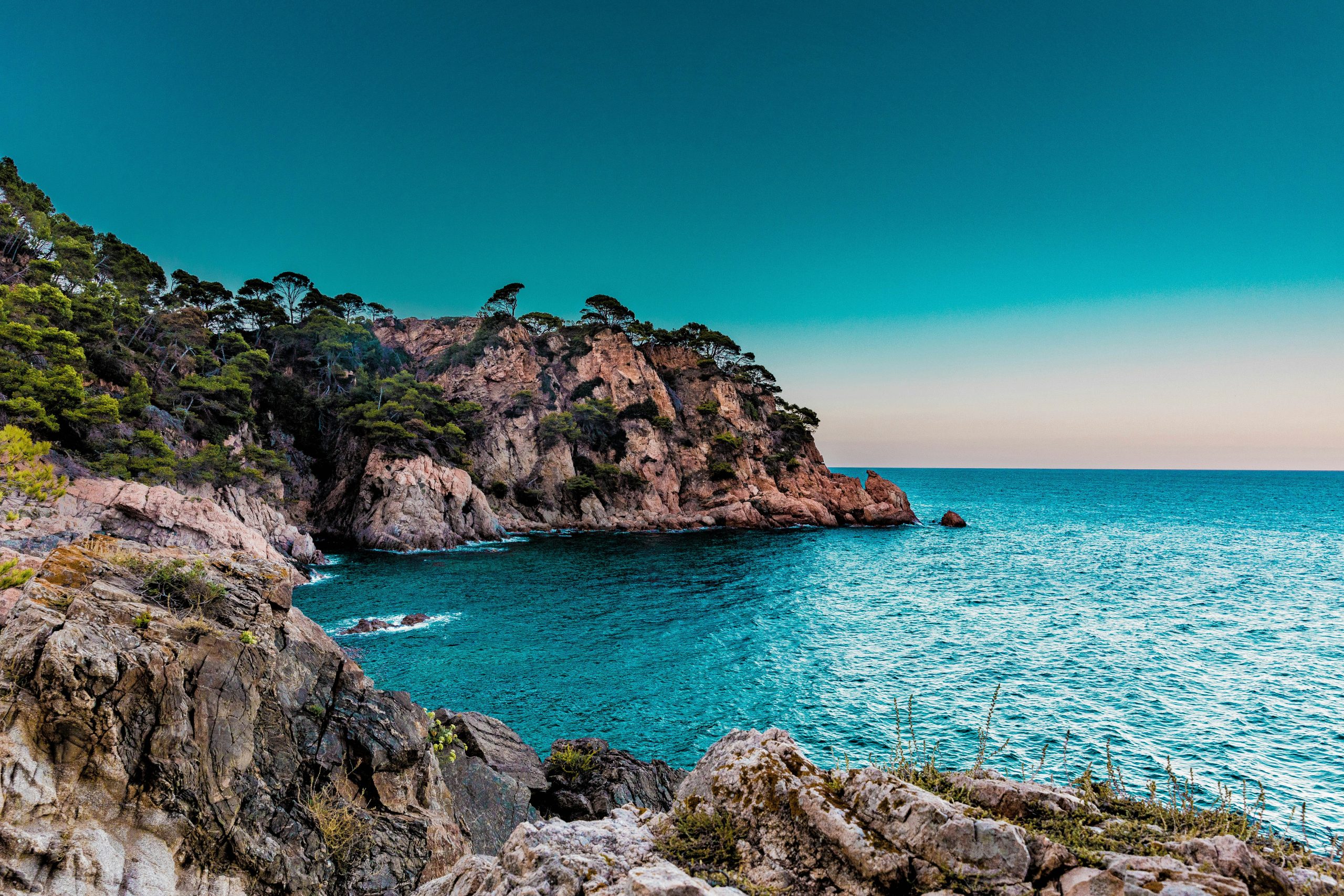
- A Lifestyle in the Mediterranean: Bask in Spain’s warm climate, visit beautiful beaches, and enjoy the rich cultural heritage. Spain is famous for its boasting-life cities such as Barcelona, Madrid and Valencia.Travelers can enjoy multi-cultural nightlife, a friendly community, and extraordinary cultural events. Barcelona is famed for its breathtaking landmarks, like the whimsical works of Antoni Gaudí, including the Sagrada Família and Park Güell, which showcase a brilliant fusion of nature and modernist architecture. Barcelona’s beaches, such as Barceloneta, offer relaxation alongside the city’s bustling urban life.With a thriving art scene, world-class museums, and lively markets like La Boqueria, the city is a cultural treasure trove.
- Superb Quality of Life: Spain’s desirable healthcare, top-quality education, and transportation systems are all benefits you’ll receive. According to the European Observatory on Health System and Policies, Spain’s national health system (Sistema Nacional de Salud; SNS) is based on the principles of “universality, free access equity and fairness of financing”. Spain is also a very popular destination for international students due to its high-quality universities and fun atmosphere. Many of them stay in the country, culminating in scenic cities with elevated potential for networking.Also, remember the wonderful islands that have become the background to Hollywood stories, such as Ibiza, Tenerife, Gran Canaria, Majorca and Lanzarote.
- Diverse Culture: Encounter vibrant festivals, historical cities, and many various regional dishes. From the lively Feria de Abril in Seville, a week-long festival of flamenco, music, and dancing, to the world-famous Running of the Bulls during Pamplona’s San Fermín celebrations, Spain’s cultural calendar is filled with energy and excitement. Madrid and Barcelona also host prominent art festivals and film events, such as the Madrid International Film Festival and Barcelona’s Grec Festival. Additionally, religious festivals like Semana Santa (Holy Week) feature elaborate processions that showcase Spain’s deep spiritual heritage. These events highlight the country’s diverse traditions, offering a vibrant mix of history, music, and community.
- Access to Europe: Travel easily within the Schengen Area and explore neighboring countries. For example, Madrid is only a 6-hour car drive (1 hour flight) from Lisbon. The countries are also well connected by train and you will find no trouble exploring and gaining life-changing experiences all over 27 different countries.
- Affordable Living: Spain compared to other Western European countries has a relatively low cost of living. Major cities like Madrid and Barcelona tend to have higher living expenses, especially in terms of housing and dining out. However, smaller cities and rural areas offer a more cost-effective lifestyle. On average, rent, groceries, and transportation are reasonably priced. Spain’s Mediterranean lifestyle, with a focus on socializing and enjoying local markets, also encourages a balanced approach to spending. Overall, Spain offers a good quality of life at a moderate cost for both locals and expatriates.
Other Benefits of the Spain Digital Nomad Visa
- Besides the points discussed above, the Spanish Nomad Visa grants more technical advantages as well:
- Pathway to Permanent Residence in the European Union;
- Renewable for as long as the criteria are met;
- Straightforward visa application process (30-90 days max);
- Low Budget Requirements, compared to other EU digital nomad visas;
- Friendly Taxation & Tax Benefits;
- Visa-Free Access to the Schengen Area;
- Pathway to Spanish Citizenship.




Book A ConsultationEach country has its pros and cons and the goal of our business is to help people to access the best aspects of what different countries have to offer, from the lifestyle, business and tax benefits, to the power of a countries passport.
However, if I was forced to pick just one country to spend my time in, I would have to choose Brazil. In my humble opinion, No where in the world can make you feel so alive – Brazil is the most vibrant country on earth – David Lincoln


Not sure how this fits your strategy?
A focused consultation to assess your objectives and shortlist the right options.
The Criteria for Eligibility Do I Qualify for the Spain Digital Nomad Visa?
Now that you are sold on the Spain Digital Nomad Visa, it is time to understand how to qualify.
See below the detailed criteria for the Spanish digital nomad visa:
- Employment Status: You need to be employed by a foreign company or own a company which is located outside of Spain, which uses telecommunications to accomplish the work (remote workers). Self-employed workers are allowed to work for a Spanish company, however, this work can’t exceed 20% of their complete professional activity.
- Professional and Educational Qualifications: An undergraduate or postgraduate degree received from a prestigious college, university or business school is needed. Or having at least 3 years of professional experience in that area is considered acceptable.
- Sufficient Income: As a digital nomad, you must showcase an income of at least € 2,300 per month (approximately), corresponding to 200% of the minimum wage or savings in the amount of € 26,000 in the bank account.
Can I Bring My Family?
Yes, you can bring your dependents, which include:
- Spouse or unmarried partner.
- Dependent children.
- Dependent ascendant relatives who are part of the family unit.
For the first dependent to be included, the income requirement is increased by 75% of Spain’s minimum wage and, for each additional dependent, 25% of the minimum wage.
See below an estimative of the total foreign income you must provide for a family of four (4):
Digital Nomad (Main Applicant): ~€ 2,300
Spouse/ Unmarried Partner: ~€ 850,00
Each Additional Dependent: ~ € 283.50
Total Foreign Income to be shown for a family of 4: ~€ 3,717
Pre-Application Requirement: Digital Nomad NIE Number
Before applying for the visa, possible the digital nomad must obtain a NIE (Número de Identificación de Extranjero) number, before applying for the digital nomad visa. This number is necessary for the legal and fiscal processes in Spain.
The NIE application process may be made in person or through a duly accredited representative. Our team, at Lincoln Global Partners, can assist you in acquiring the NIE from abroad or, in case you are already in the country, directly at the respective office.
In the Consular Office in London, the fee to be paid for the NIE is £ 8.45.
What Are the Required Documents for the Digital Nomad Visa in Spain?
If you’ve read until here, you are aware of the ‘Why’ and the ‘How’ to acquire the Spain Golden Visa. Now, it is time to roll up your sleeves and start collecting the documents!
To apply for the Spain Digital Nomad Visa, you as well as your family members need to supply the following documents:
- National Visa Application Form: Must be completed and then signed by every applicant.
- Photograph: A passport-sized color photograph with a light background, recently taken.
- Passport Validity: The biometric data pages need to be shown, the original copy including a photocopy. The valid passport needs to be valid for at least a year with two blank pages minimum.
- Certificate of Criminal Record: Needed from your country of residence for the past two years. The original is wanted as well as a photocopy. It shouldn’t be older than six months. If you are a British Citizen, you can use the ACRO Certificate.
- Residence Proof: Document your legal accommodation within your chosen area (Airbnb, Rental Unit, or Property Purchase).
- Representative’s Identity Proof: If you apply through a representative, their ID and proof of representation need to be included.
- Visa Fee Payment: Paid in local currency.
- Health Insurance: Certificate of public or private health insurance covering all risks insured by Spain’s public health system.
- Certification of Employment:
- Employees: Proof of at least three months of employment with a foreign company, including contact details, remote work consent, and salary.
- Self-Employed: Proof of contract duration and remote work terms, such as a professional certificate.
- Financial Means: Proof of sufficient financial means, at least 200% of the Spanish minimum wage.
- Educational or Professional Proof: University degree or professional certificate confirming at least 3 years of experience.
- Specific Requirements for Family Members: Documents proving family relationships (i.e. Marriage or Birth Certificate) and financial dependence.

For International Remote Workes - Additional Requirements
It is important to keep note of these specifities for international remote workers. To prove your remote worker status, you will need:
1. Certification of working for at least 3 months (before the visa application) for a foreign Company. To this end, the applicant will submit a certificate, issued by the company.
2. Certificate issued by the Government Companies House, declaring the date of creation of the company (or companies) and the type of business.
Can I apply as a British Citizen?
Yes, you can apply as a British citizen. Since the BREXIT, many UK nationals have been applying to different programs in the EU, as a way to maintain free access to the Schengen Area. This is a fantastic opportunity for UK nationals to acquire a second residence permit and expand networking on the Mainland.
If you are a British citizen and are registered with the British National Social Security, you will need to also submit a Responsible declaration by the company (if an employee) or from yourself (if self-employed), stating your commitment to comply with the British social security system obligations, before starting any work-related activity.
The Application ProcessStep-by-Step Application Process for the Spain Digital Nomad Visa How to Get Your Visa
The Spanish Digital Nomad Visa application process is designed to be as simple and straightforward as possible. Here’s a step-by-step guide to help you navigate the process:
Book A ConsultationStep 1: Initial consultation with Lincoln Global Partners
During our consultation we will discuss your specific case to understand your needs, present to you how the Spain Digital Nomad visa works, elaborating on the process and the required routes to achieve your Residency goals.Step 2: Secure Accomodation
Before applying, you will need to secure a rental agreement or proof of accommodation in Spain.This will be part of your application to show where you will be staying during your time in the country. As you scroll down our guide, you will find suggestions of location is Spain where there is a booming digital nomad community.
Step 3: Gather Your Documents
The first step is to collect all the required documents, as described above on our guide.Step 4: Submit Your Visa Application
Present your application in person or through a representative from the BLS Spain Visa Application Centre, which is in London, or hand it to your respective consulate.Step 5: Wait for Approval
The processing time typically ranges from 30 to 90 days. You will receive a 'proof of receipt', provided by the consular office with a code to examine the application status when needed.Step 6: Additional Requests
Providing requested additional documents or attending an interview if called upon by the Spanish consulate.
Post-Application Steps
Decision Deadline: The consulate typically decides within 10 days, but this can be extended.Visa Collection: Your much wanted Spanish digital nomad visa can finally be collected in person or through a representative. There is one month to collect from receiving the notification.
Visa Validity: The visa lasts up to one year. You won't need a Residence Permit Card, however if you wish, applying for one at a local office in Spain can be done.

Living in Spain as a Digital Nomad
In Spain there is an enormous choice of different types of locations to live in on the Spanish digital nomad visa.
This ranges from bustling and exciting cities like Barcelona and Madrid, having many villages around the cities that have scenically, beautiful countryside to the splendid, coastal, charming towns such as Malaga and Valencia.
The various regions offer their unique cultural blend, lifestyle, cuisine, and activities which will make certain that you will find a Spanish location that creates a home feel for your specific needs. Although the most commonly spoken local language is Spanish, English speaking is wide, making it easy for digital nomads on the Spanish visa to feel comfortable at the start of their expedition.
You can find a boosting community of digital nomads on facebook and who knows, maybe you will end up making lifelong friendships!
Where to Live in Spain as a Digital Nomad?
Although we highly recommend traveling around in Spain, it is important to have an accommodation base. Here are some of the most popular cities in Spain:
1. Barcelona
- Why it’s popular: Barcelona is a magnet for digital nomads due to its blend of cosmopolitan energy, Mediterranean beaches, and world-class infrastructure. It offers a rich cultural life with numerous co-working spaces and fast internet speeds.
- Work-life balance: Proximity to beaches and a thriving social scene make it easy to unwind after work. The city’s mild climate is another perk for outdoor activities year-round.
- Cost of living: Higher compared to other Spanish cities, especially in housing, but still affordable relative to other European hubs like London or Paris.
2. Madrid
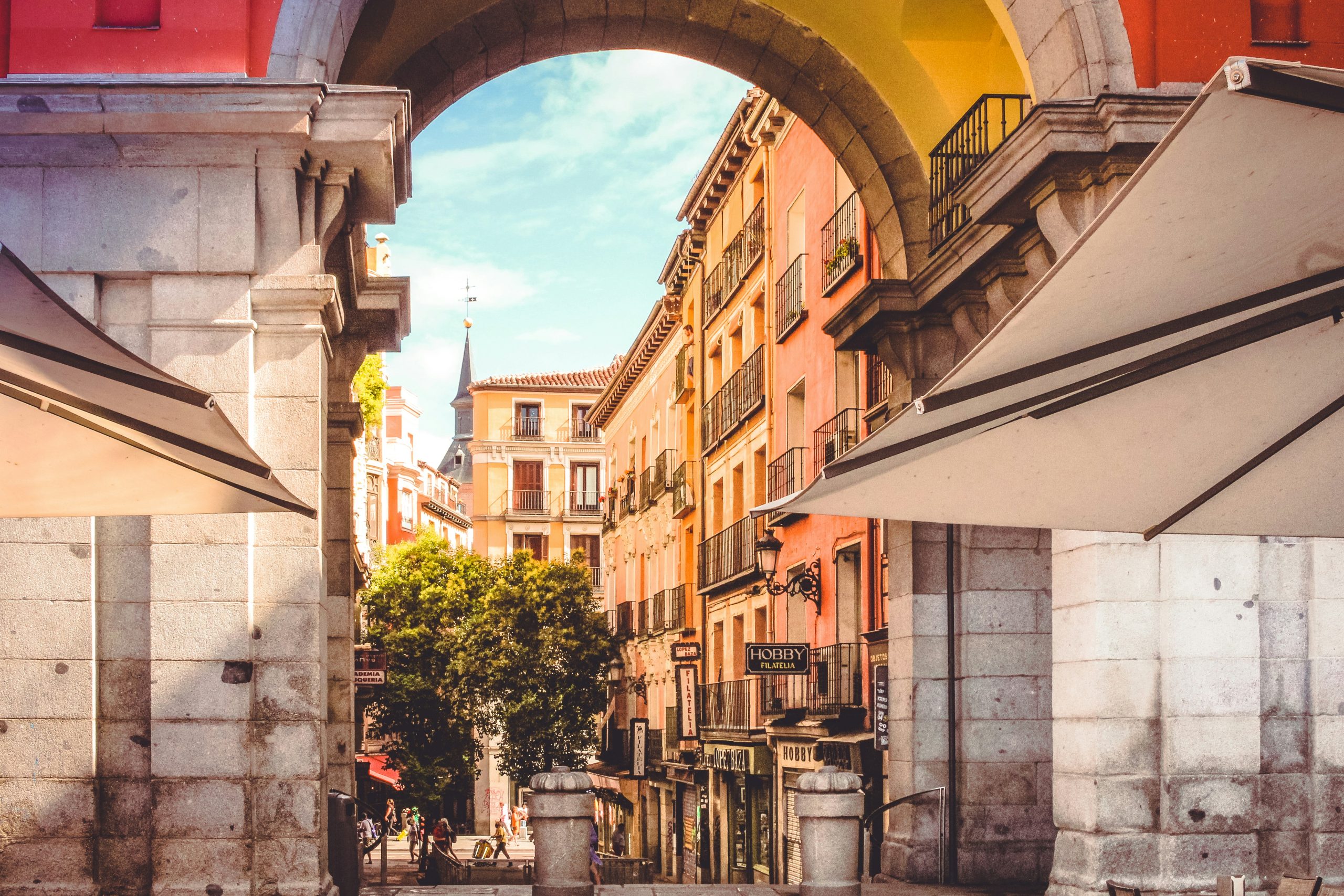
- Why it’s popular: Spain’s capital is a major cultural and business hub. Madrid boasts excellent transportation, vibrant nightlife, and an array of cultural landmarks. It’s a hotspot for networking due to its high number of freelancers and remote workers.
- Work-life balance: While Madrid is landlocked, it offers plenty of parks and outdoor spaces, including the famous Retiro Park. Madrid’s slower pace during the siesta hours offers a nice rhythm for balancing work and relaxation.
- Cost of living: Slightly lower than Barcelona, but still on the higher end for Spain.
3. Valencia
- Why it’s popular: Often seen as the perfect blend of Barcelona and Madrid, Valencia offers a great quality of life with a lower cost of living. It’s a coastal city with a relaxed vibe, known for its beautiful beaches and the annual Las Fallas festival.
- Work-life balance: Valencia’s beaches are ideal for unwinding, and its walkable city center means less time commuting. The local culinary scene is also fantastic, especially if you love paella.
- Cost of living: More affordable than both Madrid and Barcelona, making it an attractive option for nomads on a budget.
4. Málaga
- Why it’s popular: Located on the Costa del Sol, Málaga is quickly becoming a top destination for digital nomads. Its sunny weather, historic charm, and growing expat community make it highly appealing. Plus, Málaga has great access to nature with nearby mountains and beaches.
- Work-life balance: With year-round sunshine and access to beaches, it’s easy to maintain a healthy work-life balance. Málaga’s laid-back pace complements remote work flexibility.
- Cost of living: More affordable than larger cities like Barcelona and Madrid, while still offering high-quality services and amenities.
5. Granada
- Why it’s popular: Known for its stunning Alhambra palace, Granada has a rich history and a more relaxed, small-town vibe. It’s perfect for digital nomads seeking a peaceful yet inspiring environment. The city is also famous for its free tapas served with drinks.
- Work-life balance: Surrounded by the Sierra Nevada mountains, Granada is ideal for nomads who love hiking or skiing. It also offers a slower pace and an affordable lifestyle.
- Cost of living: Granada is very affordable compared to other Spanish cities, especially when it comes to housing and dining out.
6. Seville
- Why it’s popular: Seville offers traditional Andalusian charm, with its flamenco culture, historic architecture, and warm weather. The city is vibrant and has a growing digital nomad scene, with co-working spaces popping up all over.
- Work-life balance: The slower Andalusian pace, combined with warm, sunny days, makes Seville ideal for a balanced lifestyle. It’s a city where long lunches and evening strolls are part of the daily routine.
- Cost of living: Seville is more affordable than the larger cities, with great value for housing, food, and transport.
These cities combine Spain’s rich cultural heritage with modern amenities, making them ideal for digital nomads seeking a balanced and inspiring work environment.
What is the Cost of Living in Spain?
The cost of living in Spain vary by location, however, affordable living costs are generally expected as they are lower compared to many other Western European countries. The Housing, transportation, and dining aspects including all other daily expenses are relatively affordable.
This highlights the Spanish digital nomad visa as an attractive country destination for any digital nomads.
Here is an idea of the monthly costs in Spain, from September 2024:
- Rental Per Month (Apartment 1 bedroom in the City Center): € 960,00
- Transportation Monthly Pass: € 30,00
- Meal at an inexpensive restaurant: € 13,00
- Coffee/Cappuccino: € 1,90
Click here for a full overview of the grocery cost
Does a Spanish Digital Nomad Visa Lead to Citizenship?
The Spanish Nomad Visa is a Temporary Residency Permit. That said, it is valid for up 12 months (1 year) and it has to be renewed yearly. Temporary residency alone does not lead to Citizenship. However, after 5 years, one can apply for a Permanent Residence Permit. A permanent resident must live for 5 years in Spain to qualify for Citizenship. In total, it would take up to 10 years to apply for your Spanish passport.
Note that, for nationals from countries that were former Spanish colonies, the time for Citizenship is only of 2 years under Permanent Residence.
Tax Considerations - Do Digital Nomads Pay Taxes in Spain?
Successful digital nomads who hold the Spain Digital Nomad Visa, being either employed or self-employed will have tax obligations that will depend on their situation. This includes their home country as well as the length of stay. For example, if you choose to leave your home country to reside in Spain for more than 183 days in the year, you will be classed as a tax resident and therefore expected to pay Spanish taxes on your entire income.
The Beckham Law
Spain offers notable tax benefits under Beckham Law, which was approved to allure high-net-worth individuals and foreign professionals. The Beckham Law provides a charming tax regime for new residents, which allows digital nomads to benefit from the following:
- Flat Tax Rate: This is where a flat rate of 24% on income which is up to €600,000, with an elevated rate of 47% on income that exceeds this amount.
- Exemptions: It includes wealth, solidarity as well as foreign asset taxes.
- Eligibility: New residents who have not been tax residents in Spain during the previous ten years, foreign workers, and holders of the Digital Nomad Visa.
This regime is valid for up to 6 years, though criteria may change. The family members may receive tax benefits from this tax regime too if their income is lower than certain thresholds. Spain has treaties with other certain countries so this helps to prevent double taxation agreements.
You won’t be taxed by Spain and your home country. We however do advise that you should seek advice from a Spanish tax agency to completely acknowledge your particular tax situation and of course how to reap the benefits of the Beckham Law.
Contact our team to book a complimentary consultancy on the subject.
Other Ways to Acquire Your Residence Permit in Spain
- Non-Lucrative Visa: Another quite popular option for those seeking residency in Spain, is the Spanish Non-Lucrative Visa, also known as ‘NLV’.Applicants must show sufficient financial resources that can include investments, annuities, or other sources of income, such as a pension. These funds can be located in a personal bank account in Spain or their country of origin and must total a minimum of:- 400% of the IPREM (Spain’s Public Income Indicator for Multiple Effects) for the main applicant. Currently: € 2,151.36 per month or € 25,816.32 for the year.- 100% of the IPREM for each family member. Currently € 537.84 per month or € 6,454.08 per year.
- Golden Visa: The Spain Golden Visa allows investors to acquire Permanent Residence by either investing a minimum of € 500,000 in real estate, €1MI in company shares/ bank deposits into a Spanish financial institution or by investing € 2MI in governmental bonds. Investors benefit of a fast route to citizenship – 2 to 5 years. Note that the Spanish Government has been discussing the end of the Spain Golden Visa.
- Tourist Visa: For foreign nationals who do not have passports with visa-free access to Spain, it is also possible to apply for a Tourist visa. The visa is not considered a residence permit and allows foreigners to spend up to 90 days in the country – with free travel through the Schengen Area.
Apply for the Spain Digital Nomad Visa with Lincoln Global Partners
Lincoln Global Partners, an international investment migration firm is ready to assist you every step of the way with your Investor Visa application in Spain.
Spain Digital Nomad Visa: Frequently asked Questions
Checkout our FAQ's or reach out to us directly via the contact form at the bottom of the page with further questions.When applying for the Spain Digital Nomad Visa what are the criteria?Only non-EU citizens can apply with firstly a valid passport, a visa application form that is complete, proof of financial stability, and a recent passport-size photograph. Added documentation that may be needed could include proof of remote work either for a non-Spanish company or proof of freelancing with international clients.
How does taxation work for holders of the Spain Digital Nomad Visa?Tax obligations are dependent on such factors as your home country and also the duration of your stay. An example is residing in Spain for over 183 days in a year, this makes you a tax resident. Therefore you are subjected to Spanish taxes on your worldwide income.
What is the application process for the Spain Digital Nomad Visa?The required documents need to be submitted to the embassy or Spanish consulate in your home country. The application form, a valid passport, remote work proof, and financial means should be provided. The consulate does have the right to request any additional documents or to ask for an interview.
Can US citizens apply for the Spain Digital Nomad Visa? If so, what are the specific provisions?US citizens can apply for the visa. They must meet the visa requirements, including valid documentation and proof of professional activity. Check with the Spanish consulate for any specific provisions for US applicants.
What constitutes the minimum salary or income threshold for the Spain Digital Nomad Visa?Applicants must demonstrate financial stability, generally needing to show an income at least 200% of the Spanish national minimum wage. At the time of the application, this should be checked with the Spanish embassy.
Is it legal for digital nomads to work remotely for non-Spanish companies whilst living in Spain?The Spain Digital Nomad Visa does allow remote workers to work for a non Spanish company because the visa is specifically for those that derive their income from foreign sources.
It is possible to balance work and leisure with the Spain Digital Nomad Visa, in one of Europe’s most enchanting countries. By following the eligibility criteria and theeasy-to-follow application process, you can embark on your exciting new venture in Spain.
What is the difference between the nonlucrative visa and the digital nomad visa in Spain?The Spain Digital Nomad visa is a residency permit for remote workers who can show a minimum monthly income. The Non-lucrative visa is a residency for financially self-sufficient individuals who can support themsleves in Spain without the need to work.
Can I bring my family with me?You can include dependents in your application.
Do I need health insurance to apply for the visa?Yes, a health insurance coverage during your stay in Spain is required for the Digital Nomad Visa.
How long is the visa valid for?The visa is valid for up to 12 months and can be renewed, as long the criteria is still met.
What should I do if my visa application is delayed or rejected?If your application is delayed or rejected, consult with an immigration attorney who can help address any issues and guide you through the appeals process or reapplication.
What other European countries offer digital nomad visas?Portugal, Italy, Malta, Hungary, Latvia and Greece are some of the other popular countries offering Digital Nomad Visa programs.