

























What Bitcoin Can Get You in 10 Different Countries: 21st Century Digital Real Estate Investment
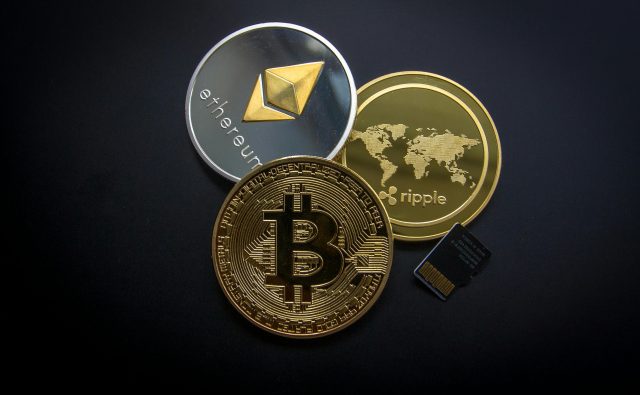
Forever shrined in history is programmer Laszlo Hanyecz for his role in Bitcoin Pizza Day, when he spent 10,000 Bitcoin on two pizzas. At the time, the Bitcoin price was less than a single cent (US$0.01).
With today’s bitcoin price hovering around US$100,000, those two pizzas would now be a billion-dollar meal.
While some might cringe at this story, I see it differently. It marked the moment bitcoin transformed from a pure digital asset to an actual currency and medium of exchange. That Bitcoin transaction has paved the way for today’s remarkably different investment landscape.
I’ve spent years helping digital asset investors leverage their wealth for global mobility. The Bitcoin network has evolved from a niche experiment to a proven track record of wealth creation. Now, that same Bitcoin wealth can unlock citizenship and residency opportunities worldwide through opportunities in both traditional real estate and digital real estate.
The Evolution of Bitcoin as an Investment Vehicle
Since 2008 when Satoshi Nakamoto mined the first Bitcoin, its decentralized nature has fundamentally changed how we think about money, currency, and investment.
Without a central authority controlling its value, market, and other properties, Bitcoin is highly volatile yet becoming increasingly mainstream. From Satoshi Nakamoto’s original vision to today’s more sophisticated digital market, the network alert key that once protected early transactions has given way to a more robust blockchain infrastructure supporting billions in daily volume.
What makes Bitcoin different from fiat currency? Bitcoin has a finite supply, a limited number of Bitcoin that will ever be minted. Therefore, with increasing demand and investment in the currency, a higher price results.
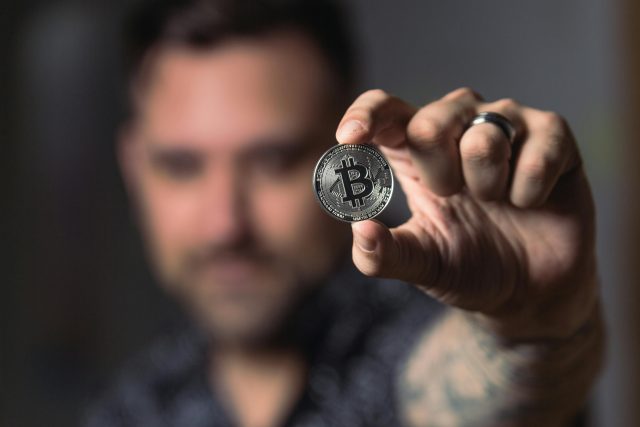
But more importantly, Bitcoin has created new opportunities for investors seeking freedom and mobility. Like gold, it’s decentralized. But unlike gold, one can access, send, exchange, and use their Bitcoin no matter where they are in the world. This is why so many in the crypto and Bitcoin industries compare the virtual currency to digital real estate: It’s virtual property in an increasingly virtual land.
Plus, just one Bitcoin can now fund significant portions of citizenship-by-investment or residency-by-investment programs in several jurisdictions.
Traditional Real Estate vs. Digital Real Estate
The market for physical real estate continues to be a cornerstone of wealth building and financial diversification. But as many believe we’re heading for a housing bubble and/or total market collapse, digital real estate has emerged as a fascinating, more modern parallel to traditional real estate.
The 2025 financial markets are comprised of almost totally digital properties. You can invest in the stock market, your retirement, real estate, and foreign countries all from your phone. Digital real estate is about proudly staking and owning your future. And as a $2 trillion market cap asset, Bitcoin is the leader.
Plus, the internet has unlocked countless innovations and stores of value:
- Established websites and domain names generating passive income
- Virtual websites and platforms with millions of daily active users
- E-commerce and virtual storefronts to sell products
- Ad space and businesses for a global audience
Digital assets have become serious investment vehicles as they help facilitate transactions on those networks.
Virtual land in digital worlds like Second Life demonstrated early potential. But today, we’re not talking about digital land in that sense. To us, digital real estate means selling, exchanging, saving, and investing in a real-life asset class that protects your future.
With limited land on Earth, real estate has been a reliable asset for wealthy investors and entrepreneurs for centuries. Rising real estate prices have resulted from the decreasing supply of land and increasing demand. So while many have been priced out of the real estate market, they’ve turned to digital real estate as a viable alternative.
Yet the real opportunity lies in combining these approaches. While some focus purely on traditional real estate, savvy investors are using Bitcoin wealth to acquire digital land and a slice of the shrinking pie.
After Bitcoin was invented in 2008, transaction fees on the Bitcoin network were absurdly high. But now that the market has high traffic and more users have invested in the currency and use the network on a daily basis, a single transaction of Bitcoin has minimal fees. Thus, several marketplaces and even government jurisdictions now facilitate real estate property deals using cryptocurrency.
The tide has turned. The Bitcoin price is irrelevant to the medium of exchange. Sure, as the Bitcoin price goes higher, investment value increases as well. But what has changed and will change everything is government adoption at the world level.


Not sure how this fits your strategy?
A focused consultation to assess your objectives and shortlist the right options.
Bitcoin-Powered Global Mobility: Analysis of 10 Countries
So the question is – How can you use and invest your Bitcoin to become more free and mobile? These 10 countries will happily accept your Bitcoin investment for a piece of their economy.
Caribbean Investment Options

Antigua & Barbuda
With just over two Bitcoin, you can now acquire citizenship in Antigua & Barbuda through their citizenship by investment program. Investors can choose from the following options:
- US$230,000 to the National Development Fund
- US$325,000 in real estate in Antigua & Barbuda-approved projects
The program offers visa-free access to over 140 countries, levies zero taxes on almost all income categories, and requires zero ongoing physical presence on the islands. Plus, in a new development, investors can either donate Bitcoin or buy their real estate with virtual currency.
If your goal is to create a more off-the-grid lifestyle, invest your Bitcoin in citizenship, exchange your digital assets for physical real estate (investors can sell their property after 5 years), and set up an effective Plan B insurance policy, Antigua & Barbuda may be your answer. It is the only Caribbean citizenship by investment program that accepts digital real estate (aka Bitcoin and cryptocurrency) as a form of payment via conversion.
St. Kitts & Nevis
The world’s oldest citizenship-by-investment program does not accept cryptocurrency investment directly. But provided you can sell your Bitcoin through approved channels and prove your source of funds, you can invest in the Caribbean’s strongest passport.
Like Antigua & Barbuda, St Kitts & Nevis’s program offers several investment options:
- US$250,000 in donation
- US$400,000 in government-approved real estate projects and other properties
Of course, investors could be in line for potentially high returns through both the Caribbean citizenship and all the opportunities it provides (including tax-free living) and real estate appreciation. Investors can sell their property after holding it for 7 years.
European Options

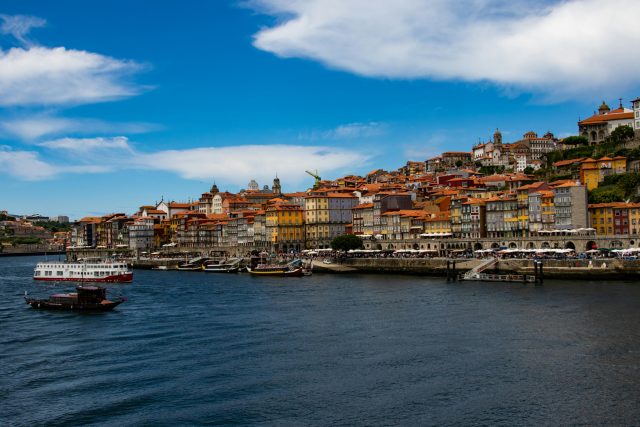
Portugal
While the country eliminated the option to invest in real estate and land in 2023, Portugal’s golden visa program has embraced innovation by becoming the world’s first country to allow investment in Bitcoin ETFs.
With roughly five Bitcoin, investors can access the €500,000 fund investment option and maintain indirect exposure to digital assets and virtual real estate. Then, after holding the investment for the required period, golden visa applicants could have potentially high returns and investment value in the country. The golden visa program also offers investment opportunities to create local businesses and companies in the crypto-friendly jurisdiction of Portugal.
Moreover, if you live more than half the year in Portugal and become a tax resident, the government does not levy any capital gains tax on cryptocurrency and Bitcoin held for more than a year.
Malta
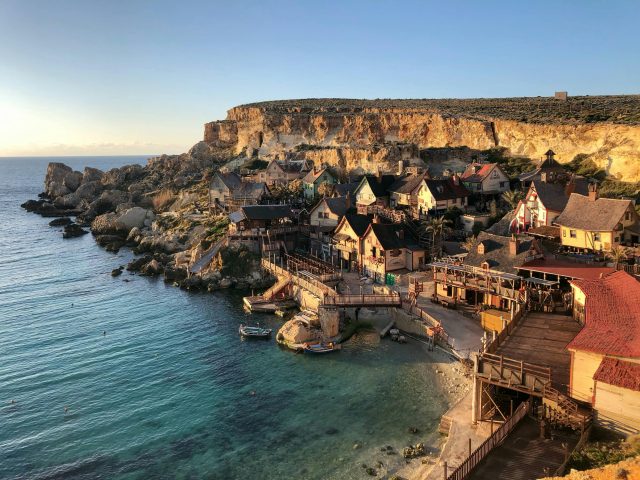
As a world hub for crypto companies and e-commerce, Malta offers citizenship and residency options that align perfectly with Bitcoin investors. Their proven track record in both traditional investment migration and digital asset regulation makes them uniquely positioned for the future. Plus, the country offers appealing foreign income tax credits for those who make Malta their tax residency.
Here are the options to invest in Malta for residency or citizenship:
- Residency starting at €375,000 in real estate or land (or a €14,000 annual lease)
- Citizenship starting at €700,000 in real estate or land (or a €16,000 annual lease), a €600,000 donation, and €150,000 investment in government bonds
While the higher price may turn some applicants away, the Maltese passport is one of the strongest in the world. With visa-free access to more than 180 countries, no citizenship by investment program is as beneficial as this one.
As Bitcoin’s higher price equals more and more value on the market, Malta’s residency and citizenship by investment programs become more affordable for the average crypto holder.
Switzerland
While it’s notoriously difficult to obtain citizenship in Switzerland, the neutral and Bitcoin-friendly country does offer several routes to residency for Bitcoin enthusiasts. Mainly for EU citizens, highly qualified professionals and investors, Swiss residents’ relatives, and retirees, these residency routes are highly selective but can offer a path to permanent residency and even citizenship in rare cases.
Home to many pro-Bitcoin businesses and organizations, Switzerland offers zero capital gains tax on crypto and Bitcoin profits. And, for high-net-worth individuals, the country has several attractive special tax regimes.
Latin America
El Salvador
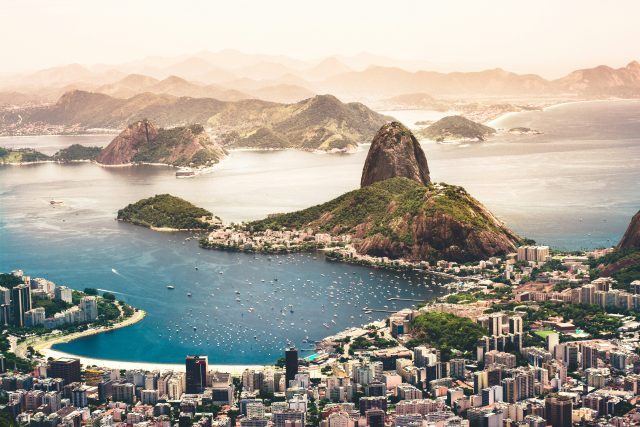
Of course, you cannot talk about Bitcoin and its value in the world without mentioning El Salvador and President Nayib Bukele’s groundbreaking strategy to adopt the currency as legal tender and reserve asset. In the last decade, El Salvador has burst on the scene with its acceptance of the digital real estate as a leading store of value.
Over the last few years, foreign investors and entrepreneurs have opened virtual storefronts, purchased real estate, moved their platforms and services, and created local businesses in the small Central American country to buy their slice of the pie – what they see as a growing presence on the world stage.
The first country that adopted Bitcoin as legal tender now also offers citizenship for US$1 million in USDT or Bitcoin – approximately 10 Bitcoin at current prices. Plus, as a mechanism to attract more businesses and entrepreneurial migrants to the country, El Salvador does not levy any taxes on Bitcoin capital gains or corporate tax on companies or services operating in the Bitcoin industry.
President Bukele’s Bitcoin-friendly policies have created unique opportunities for crypto investors seeking to invest in both digital and physical assets.
Panama
Long known for one of the world’s most stable economies and banking systems, Panama’s friendly crypto regulations and established financial sector make it an excellent choice for Bitcoin holders seeking to invest in foreign residency programs. An individual can qualify for residency by investing the following amounts:
- Invest US$300,000 in qualifying real estate or land via the Qualified Investor Permanent Residency
- Prove US$1,000 in monthly passive income (typically retirement pension)
Panamanian residents who live in the country for more than half the year can benefit from the country’s territorial tax system, which exempts foreign-sourced money from local income taxes. The Central American country also offers a residency path for those willing to open a local business and create at least five Panamanian jobs.

Asia
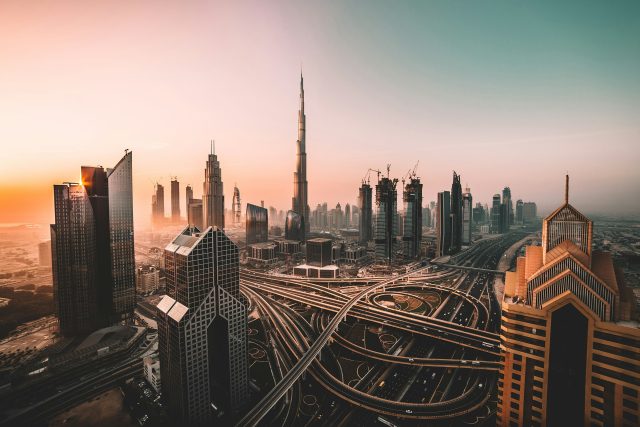
UAE (Dubai)
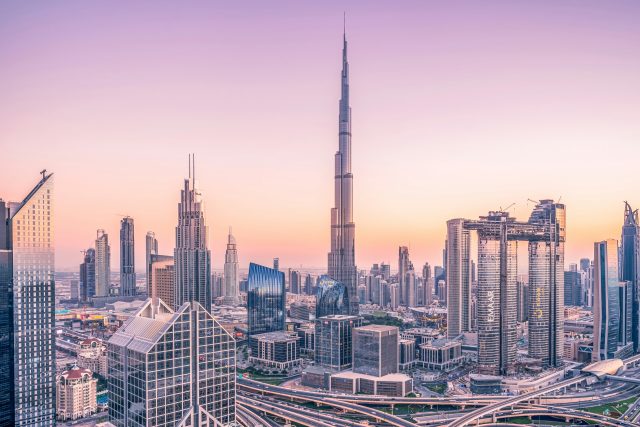
Combined with its zero capital gains tax policy and growing crypto hub of both foreign businesses and local companies, Dubai’s golden visa program offers compelling mobility, business, and tax optimization opportunities for Bitcoin investors. By investing in traditional real estate or a local company with Bitcoin or other digital assets (yes, they’re accepted), golden visa applicants can secure residency in one of the most desirable countries in the world.
Dubai has seen its market value explode over the last decade as the government attempts to invest every square inch of its land to high-growth, high-traffic local and online businesses (digital storefronts, websites, and e-commerce being the most popular). A strong believer in the value of digital land, Telegram’s Pavel Durov is just one example of a founder who obtained citizenship in the country in recognition of his outstanding contributions to the platform’s users and development of digital real estate and digital properties.
Pacific

Vanuatu
Finally, Vanuatu’s citizenship program, priced just over a single Bitcoin at US$130,000, accepts Bitcoin and other forms of virtual real estate. While the country itself isn’t a crypto hub, the citizenship and zero-tax benefits make it an interesting option for Bitcoin investors.
Strategic Investment Approaches
The key to maximizing mobility around the world lies in diversification across both digital and physical assets in several marketplaces. Since you’re this far in the article, I assume you find value in the Bitcoin price and digital real estate.
You know that investing in the virtual world is about far more than domain names and virtual storefronts. We believe in Bitcoin and the value of staking territory in virtual land before it’s harvested. Our job is to generate revenue to invest in virtual currencies while the Bitcoin price is still relatively low. Why? To upgrade our lifestyle, our freedom, and our family’s security in real life.
Virtual currencies and digital worlds have created completely new value propositions, but the real opportunity lies in combining these with traditional investment migration strategies. By leveraging Bitcoin wealth across multiple platforms and jurisdictions, investors can create strong portfolios that serve both wealth preservation and global mobility goals.
Future Outlook
As millions more users join the monetary revolution, the future of investment migration increasingly intersects with digital assets. As more countries recognize the potential of blockchain technology and owning digital real estate, we’ll likely see new companies, services, and programs that cater specifically to the crypto investor market.
Because Bitcoin can be highly volatile and Bitcoin mining block rewards are diminishing, timing these investments is important. But the long-term trend points toward greater integration of digital and traditional investment options.
For those who understood Bitcoin’s potential early on, today’s investment migration opportunities represent an incredible juxtaposition with the past. What once bought two pizzas can now secure real estate or citizenship in multiple countries.
Whether you’re interested in Bitcoin’s digital properties or citizenship’s real life benefits, you don’t have to choose between the two.
Ready to explore how your Bitcoin wealth can secure your future freedom?