















Last week, a remote developer from Seattle emailed asking, “Which digital nomad visa should I get in Europe?”
After helping over 500 remote workers move abroad, we’ve learned there’s no one-size-fits-all answer.
We started our visa consulting business in 2015, back when most European countries didn’t even know what digital nomads were. Now in 2025, we have more than 15 digital nomad countries rolling out the red carpet for remote workers. Portugal offers beach life and startup scenes, while Estonia lets you run your business completely online. There are also specific programs like the Icelandic Remote Worker Visa and the Bahamas Extended Access Travel Stay which offer unique benefits for digital nomads.
As a firm who helps investors choose between different visas and mobility solutions, we know what matters – from cost of living to internet speeds. In this guide, we’ll share what we’ve learned about each visa option, so you can skip the mistakes we’ve seen others make and find the right fit for your remote work life.
The Rise of Digital Nomad Visas and Temporary Residence Permits in Europe
Just a few years ago, getting a digital nomad visa in Europe meant hours of explaining what remote work even was. Things have changed.
In 2020, only 3 European countries had digital nomad visas. Fast forward to 2025, and that number has jumped to 15. Why? Simple: European countries noticed that remote workers bring skills and spending power without taking local jobs. Some countries, like Dominica and Cabo Verde, have successfully implemented their digital nomad visa programs, while others are still in the process.
These new digital nomad visas 2025 are vastly different from the original programs. Most let you stay 6-12 months, and some countries even offer paths to permanent residency and citizenship. Remote workers love this aspect because it means they can remain if their love for the country outpaces their digital nomad dreams.
These aren’t just tourist visas with a fancy name. Digital nomad countries are building entire systems to support remote workers, from coworking spaces to special tax rules.
What is a Digital Nomad Visa?
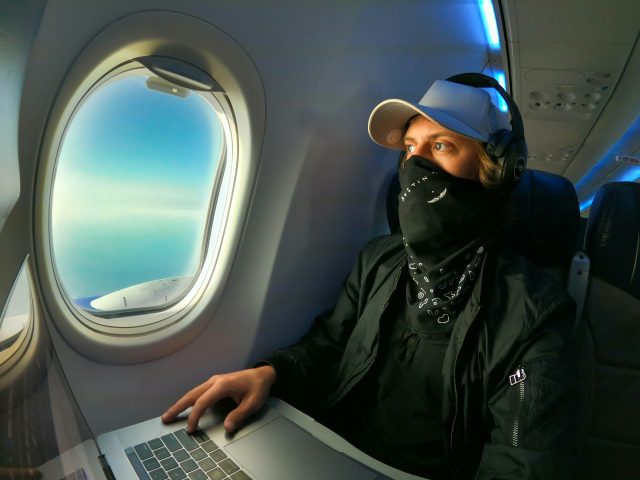
A digital nomad visa is a special visa designed for remote workers, freelancers, and entrepreneurs who want to live and work in a foreign country for an extended period, usually with an income requirement and proof of employment with a foreign company. Unlike traditional tourist visas, which often limit stays to a few weeks or months, digital nomad visas offer a temporary residence permit that typically lasts from several months to a couple of years. This allows digital nomads to immerse themselves in the local culture, establish a routine, and enjoy a more stable living situation – sometimes with special tax benefits.
Eligibility Criteria for a Digital Nomad Visa
To qualify for a digital nomad visa, applicants need to meet specific requirements, which can vary by country. Here are some common eligibility criteria:
- Financial Requirements: Most countries require proof of a minimum income or savings to ensure you can support yourself during your stay.
- Valid Passport: Your passport should have at least six months’ validity from the date of your application.
- Health Insurance: Typically you need to have health insurance that covers you in the host country.
- Background Check: Some countries require a clean criminal record, verified through a police certificate.
Meeting these criteria is essential to ensure a smooth application process and increase your chances of approval.
Top European Digital Nomad Countries for 2025
Here’s the latest on the best digital nomad visa options for you right now:
Portugal:
- €2,800 monthly income needed
- 1-year visa with the ability to renew
- 0% tax on foreign income for first year
- Fast internet in Lisbon and Porto
- Cheapest housing in Western Europe
Estonia:
- First ever digital nomad visa in Europe
- €3,500 monthly income needed
- Easy online application
- Great for tech businesses
- Applicants must be employed by or own a company registered outside of Estonia
- Cold winters, beautiful summers
Spain:
- Brand new program for 2025
- €2,000 monthly income needed
- Lets you bring family
- Visa is also available for self-employed individuals who meet certain income requirements
- Effective healthcare
- Great weather
Croatia:
- €2,500 monthly income needed
- Beautiful coastline
- Growing digital nomad communities
- Visa program also allows students to study remotely while living in Croatia
- Lower cost of living than Spain
- Easy visa renewal process
Lincoln Global Partners helped clients get approved for each of these visas in the last six months. Each country has its own quirks in the application process, but they typically want the same basic things: proof of stable income, health insurance, and a clean criminal record.

Key Differences You Need to Know
Here’s what really matters:
Income requirements for digital nomad visas range from €2,000 to €3,500 per month. But here’s a detail: Some countries count savings while others want steady employment income. Big difference.
Taxes get tricky. Portugal won’t tax your foreign income for the first year. Estonia charges a flat 20% on worldwide income, and nomads are not exempt. Spain lets you pay special digital nomad tax rates under the Beckham Law.
Time limits vary too. Most digital nomad visas start at one year of validity, which is significantly longer than the typical duration of tourist visas that last a few weeks or months. Some let you renew easily, others make you leave and reapply. We’ve seen individuals get caught off guard by this.
Healthcare is a requirement almost everywhere. But costs differ – from €50 per month in Croatia to more than €200 in Estonia. The good news? It’s still cheaper than US health insurance.
Family rules matter more than you’d think. Spain and Portugal make it easy to bring your family. Other digital nomad countries make them apply separately. Some countries offer a temporary residence permit as part of their digital nomad visa program, allowing remote workers to legally reside for a defined period.
Different visa types are available, such as national visas, each with specific eligibility criteria and provisions for dependent family members.

Not sure how this fits your strategy?
A focused consultation to assess your objectives and shortlist the right options.
Digital Nomad Visa Application Process
Applying for a digital nomad visa involves several steps. Here’s a breakdown to help you navigate the process:
Fill Out the Application Form
Start by filling out the application form provided by the host country that you’re choosing to travel to. Some countries offer online forms that you can fill out and submit electronically, while others may require you to print, sign, and submit the form in person. Lincoln Global Partners can help you with all of this.
Set an Appointment with an Embassy or Consulate
Next, locate the host country’s nearest embassy or consulate and set an appointment to submit your application – if required by the program. If there isn’t one in your country, you might need to apply at a neighboring country’s embassy, which may complicate the process a bit.

Prepare Your Documents
Gather all the required documents, which typically include:
- Passport: Ensure it’s valid for at least six months.
- Proof of Income or Employment: This may mean bank statements, pay stubs, and/or a letter from your employer.
- Health Insurance: A policy that covers you in the host country.
- Police Certificate: To prove you have a clean criminal record.
- Other Documents: Check the specific requirements of the host country, as you may need additional documents.
Some documents may need to be translated or certified with an apostille stamp. Double-check the host country’s requirements to ensure everything is in order.
By following these steps and preparing thoroughly, you can increase your chances of a successful digital nomad visa application.
2025 Trends in Digital Nomad Visas
Big changes are coming. Here’s what’s new for digital nomad visas 2025:
Online applications are becoming standard. No more paper forms or embassy visits. Estonia already does this, and others are following fast. The trend towards remote work has influenced the creation of digital nomad visas, with many countries recognizing the evolving lifestyle of digital nomads. It’s only natural their application processes also transition online.
Digital banks are getting involved. You can now prove your income through Wise or Revolut statements. Way easier than traditional bank docs.
Countries are building nomad communities. Portugal has several digital nomad hubs, especially in the islands of Madeira and the Azores. Croatia’s doing the same along the Aegean coast.
Additionally, some countries are offering digital nomad visas at no cost or lower costs to attract more applicants for their visa programs.
Fast-track processing is the new normal. What took 3 months in 2023 now takes 3 weeks in most digital nomad countries.
Remote work visas are turning into paths to residency. Stay long enough, follow the rules, and individuals may pave the way toward permanent residency and even citizenship in some cases. Although digital nomads may require a new visa path after some years of residency.
Common Pitfalls to Avoid
Since we work with a lot of individuals with digital nomad aspirations, we also witness a lot of mistakes in the visa process.
Timing can confuse many visa applicants. Some try to apply just weeks before their planned move, while others wait until their tourist visa is about to expire. We’ve seen individuals upset because they didn’t have the correct expectations for processing beforehand.
Documentation problems cause the most headaches. Many cannot effectively prove their income sources or try to use Google translations for official documents. Others skip the crucial step of notarizing their paperwork.
Banking-related mistakes can derail your application too. Some clients don’t show enough savings, while others mix their personal and business income in ways that confuse officials. Currency conversion errors have delayed many applications we’ve handled.
Insurance choices matter more than you might think. Travel insurance won’t cut it – you need proper health coverage. Short-term policies often get rejected, and missing liability coverage can stop your application in its tracks.
These fixes are simple if you know about them upfront. Most digital nomad visa denials come from small mistakes, not big problems.

Practical Next Steps
Ready to get your digital nomad visa? Here’s your to-do list, based on hundreds of successful applications:
First, focus on research and planning. Start by choosing three possible countries that match your needs. Spend time in local nomad Facebook groups learning about daily life, and check current visa processing times. Applicants should research the specific remote worker visa requirements for their chosen countries. This is also when you should start setting aside money for visa fees.
Second, get your paperwork in order. Gather your income proof, secure the right health insurance, and make sure your bank statements are clean and organized. This is the perfect time to start filling out visa forms too. Remember to consider legal and processing fees and the importance of setting aside money for them.
Third, take action. Submit your application, look for temporary housing in your chosen country, and start connecting with local nomad communities online. Residents from certain countries can apply for specific digital nomad visas like Czechia’s freelancer visa, designed for entrepreneurs and self-employed individuals.
While your application processes, keep your documents updated and don’t quit your current job. Each step gets you closer to your digital nomad visa. Take it one piece at a time.
Conclusion
Digital nomad visas have opened Europe to remote workers like never before. Whether you pick Portugal’s beaches or Estonia’s tech scene, there’s a fit for you.
Want to stay updated? We send email updates about digital nomad visa changes to our newsletter list. No spam, just real updates from a team of nomads and global citizens helping others travel the world daily.
Ready to Turn Your Digital Nomad Dreams into Reality?
At Lincoln Global Partners, we’ve helped hundreds of remote workers like you secure their ideal digital nomad visas since 2015. Our team of immigration experts knows exactly what each country’s officials look for in applications.
Book a free 30-minute consultation with our visa specialists. We’ll help you:
- Pick the right digital nomad visa for your situation
- Review your documentation before you apply
- Create a clear timeline for your move
- Understand the real costs and requirements
Want to stay updated on digital nomad visa changes? Join our monthly newsletter for expert insights and program updates straight to your inbox.