
















Brought to our attention in the year 2020, Estonia’s Digital Nomad Visa (DNV) came about. It highlights an effective way for location-independent entrepreneurs as well as remote workers to keep their job but also enjoy residing in Estonia for up to one year. This interesting offer provides a special opportunity for digital nomads wanting to explore Estonia, but still to earn at the same time. However, employees need their company registered as well as their employer, outside the country of Estonia.
The following guide will cover all of the need-to-know information such as the eligibility requirements, the process of application as well as any other helpful knowledge regarding Estonia’s DNV, to work remotely here.
The Estonia Digital Nomad Visa Explained
The Estonian Digital Nomad Visa (DNV) being a temporary visa, allows accepted remote workers to stay for up to a year. However, Estonia’s e-Residency program provides a digital identity when managing a remote business. This doesn’t grant the right to live in Estonia or any other EU country.
Digital Nomad Visa V’s e-Residency
- e-Residency: Creating a digital identity offering access to all Estonia’s e-governance services and also the chance to manage an EU-based online business. Does not include travel, residence, or citizenship rights.
- Digital Nomad Visa: Gives the right to settle in Estonia for up to one year. This is only for persons who take part remotely in their job for a foreign employer.

Benefits of the Estonia Digital Nomad Visa Why Acquire the Estonia Digital Nomad Visa?
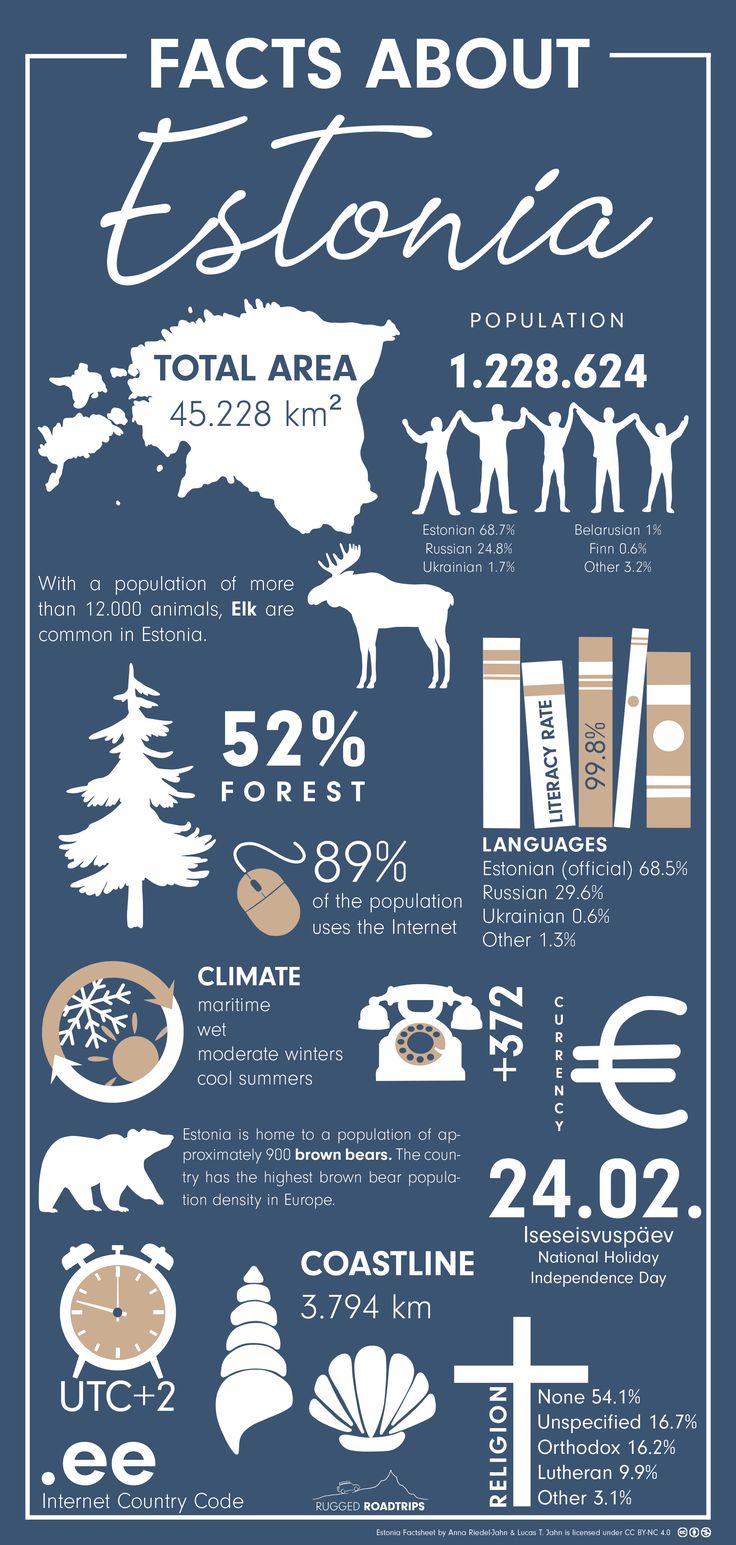
Estonia being a charming and beautiful country in Northern Europe, is notable for its rich history, breathtaking landscapes, and advanced digital society.
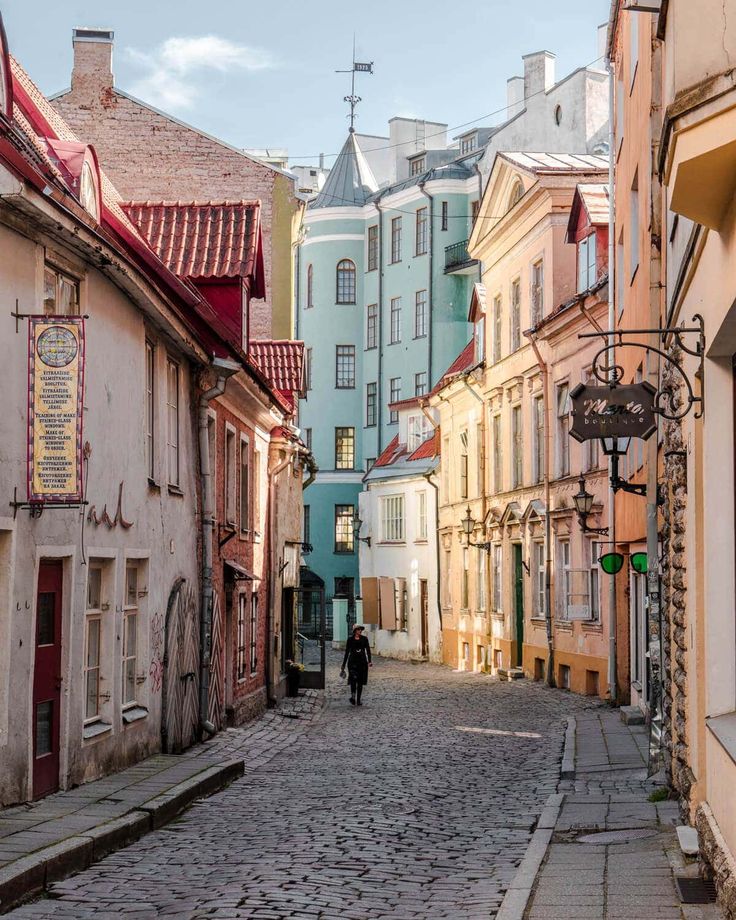
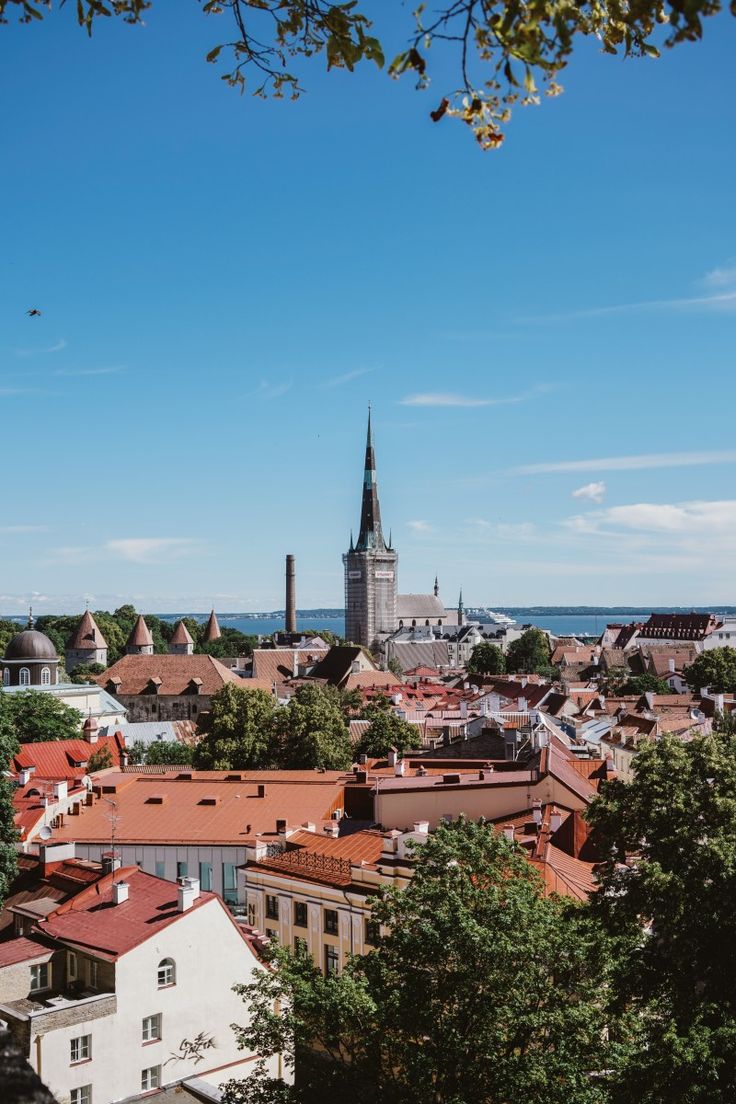
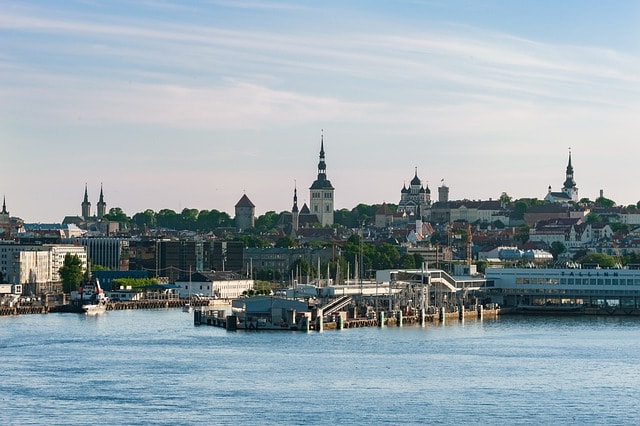
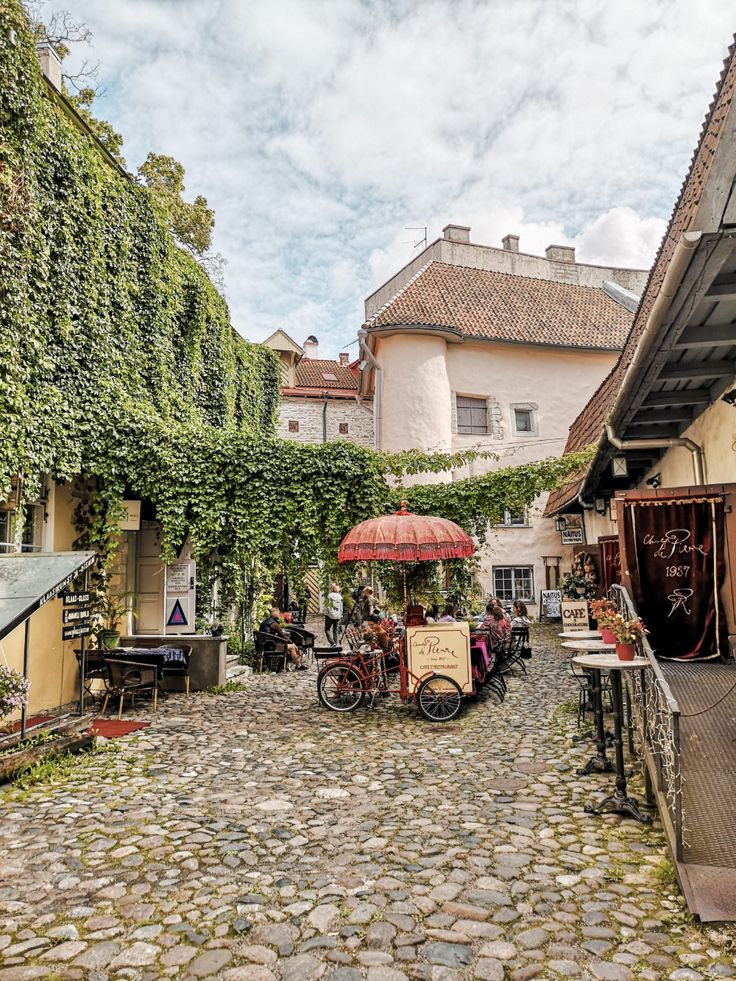
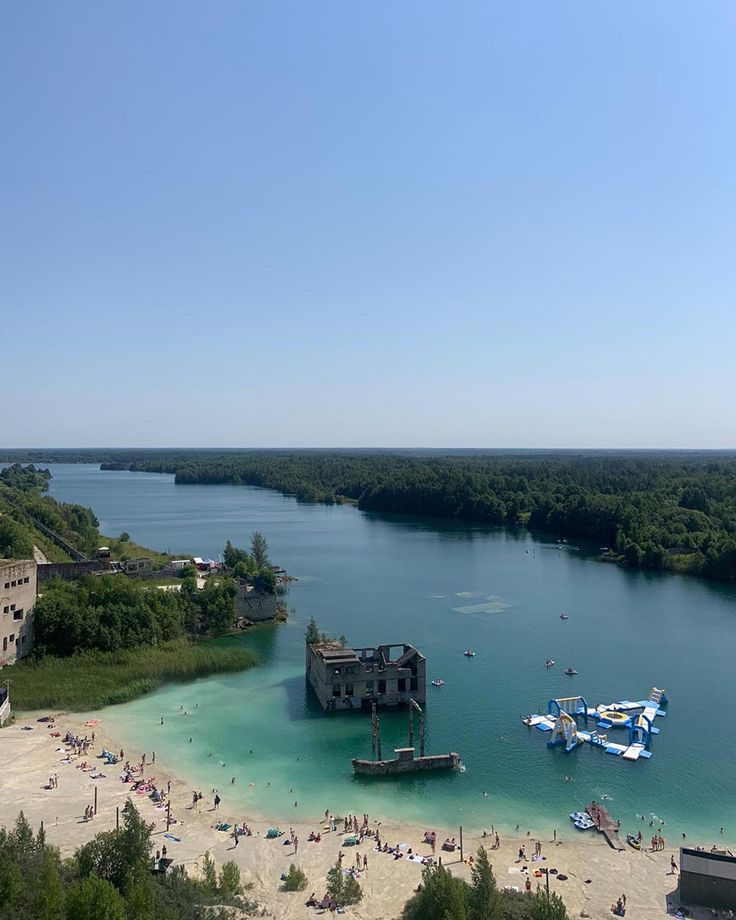
There is a natural blend of medieval architecture and also modern amenities. Foreigners are drawn to the capital city Tallinn, with its UNESCO-listed popular Old Town. Many others enjoy its vast forests, incredible natural sights, stunning lakes, and busy coastline. Estonia is a picturesque country willing to offer a unique travel experience as an Estonian digital nomad.
Estonia could easily be described as an underrated haven for digital nomads as well as technology lovers, offering revolution and top class e-services. Whether you are a hopeful digital nomad seeking adventure, historic wonders, outdoor adventures, or an exciting digital experience, Estonia really has a passion for everyone.
The following shows the main benefits of the Estonia Digital Nomad Visa:
- While settling in Estonia for up to one year it is legally possible to work remotely at the same time.
- No restrictions on your country of origin.
- Option to work for an Estonian company as a secondary employment opportunity.
- Close family members ( spouse and children) can fill out visa applications too, under the same conditions.
- After 183 days, it’s possible that you can be considered a tax resident. So therefore you will be subjected to Estonian tax obligations.
- Possibility to visit the other Schengen countries.
Book A ConsultationCreating a new country from scratch has given Estonia the license to imagine what a country could be. – Taavet Hinrikus (One of the World Economic Forum’s Tech Pioneers)
Estonia Remote Work Visa Eligibility Criteria
Applicants need to meet the following requirements to qualify for the DNV :
- Working remotely: Demonstrating the ability to carry out work duties using telecommunication technology while working independently of location.
- Type of employment: One of the following categories must apply:
- Employment with a company registered outside Estonia.
- Conduct business activity for a company registered abroad in which you are a partner/shareholder.
- Freelance or consulting services to clients with permanent establishments abroad.
- Minimum requirement for income: From January 2023, proof should be shown offering a minimum threshold of €4,500 at least per month. This is for the six months beforehand, building up to the application.

Not sure how this fits your strategy?
A focused consultation to assess your objectives and shortlist the right options.
Estonia for Digital Nomads
The Estonia digital nomad visa has become extremely favored in this beautiful country for digital nomads due the ultra-modern digital infrastructure, the progressive and spirited startup scene, and the welcoming locals. The country’s advanced ability in technology and innovation creates an organized and friendly environment for remote workers.
The Estonian digital nomad will find a relatively low cost of living here, much easier compared to many other European countries. There is a unique blend of traditionality here mixed with modern living, creating an appealing base for digital nomads wanting a visa application.
As a Digital Nomad in Estonia, you can be sure of encountering a thriving community of expats and joining local activities such as the beautiful bike tour in Tallinn, enjoying the Baltic dinner experience, discovering the nightlife or simply visiting the breathtaking museums the country has to offer. Find out more on the Estonia Digital Nomad Visa Facebook group, by clicking here.
Key Considerations
- Tax residency: You will be automatically labeled as a tax resident if you stay in Estonia for more than 183 days throughout 12 months.
- Health insurance: A valid, medical contract proving health insurance coverage for the duration of the stay is mandatory for the visa application.
- Restrictions on COVID-19 :Current travel restrictions are recommended to be checked before applying for the long-stay visa, because they may affect visa issuance.
Popular Places in Estonia Where to Relocate as a Digital Nomad?
The following are top recommendations digital nomads may want to consider:
- Tallinn: This is the capital city. It reflects an energetic cultural scene, a large variety of co-working spaces, as well as an abundant history. Taking into consideration the cost of living here, it would be roughly about €1,200 – €1,800 every month.
- Tartu: Offering a more tranquilizing and calmer lifestyle, Tartu extends a wide selection of restaurants and cafes. It’s common for cultural events to be held here. Tartu is known for the fantastic university and therefore creates a rather youthful atmosphere. For living here the estimated living cost would be around €800 – €1,200 monthly.
- Pärnu: It’s a coastal city which is highly known for its serene beaches and also hosts summer festivals. Pärnu is notably suitable for people who are preferring an easier, relaxing and more soothing environment. The living estimate here would be an expected €900 – €1,500 per month.
- Narva: A unique and pretty town which has a diverse cultural mix. Narva isn’t a typical town for tourists to visit, but nevertheless still has much to offer. It therefore has a lower living cost. and would range from €700 – €1,000 a month.
Living Costs in Estonia as a Digital Nomad
Estonia presents an agreeable cost of living, especially when contrasted with other Western European countries. The following shows a breakdown of monthly expenses:
- Accommodation: €300 – €800 (this depends on the city and also type of housing)
- Food: €200 – €400 (groceries and eating out)
- Transportation: €30 – €60 (public transport and occasional taxis)
- Internet: €30 – €50 (high-speed internet plans)
So as an overall picture, being a digital nomad residing and being able to legally work in Estonia, can be reasonable as well as enriching, while providing a niche opportunity to experience Estonian culture while working remotely.
Estonia’s Taxation System Do I Need To Pay Tax as a Digital Nomad in Estonia?
Estonia being known for its simple and efficient tax system, makes it appealing for digital nomads. The corporate tax rate is 20%, this is only applied to distributed profits. Meaning businesses don’t pay corporate tax on reinvested profits. This truly encourages wider growth and innovation.
For the particular individuals qualifying as tax residents, by spending a greater number of 183 days in the country, and all within 12 months, income will be taxed at a flat rate of 20%. Subjected to this income tax will be tax residents, on their global earnings. This will include obviously salaries and also freelance income.
Digital nomads should also be knowledgeable about other taxes described below:
- VAT – Value Added Tax: This is a typical rate of 20% which does apply to the majority of products and services. This gives a reduced rate of around 9% for specific items.
- Social Security Contributions: Social security covers, pensions, health insurance, and unemployment benefits. This needs to be contributed by employees and employers alike.
- Property Tax: Applicable if you own property, varying by municipality.
Perception of the above tax implications is of utmost importance for remote workers wishing to take full advantage of Estonia’s Digital Nomad Visa.

Can I Work in Estonia as a Digital Nomad?
Yes! As an exception to the rule, Estonia does allow Digital Nomads to work for an Estonian company under the digital nomad visa. As you browse through the many different digital nomad visas around the world, you will notice that this is quite a rare feature.
The Application ProcessStep-by-Step Application Process for the Estonia Digital Nomad Visa How to Get Your Visa
The Estonia Digital Nomad Visa application process is designed to be as simple and straightforward as possible. Here’s a step-by-step guide to help you navigate the process:
Book A ConsultationStep 1: Initial consultation with Lincoln Global Partners
During our consultation we will discuss your specific case to understand your needs, present to you how the Estonia Digital Nomad visa works, elaborating on the process and the required routes to achieve your Residency goals.Step 2: Secure Accomodation
Before applying, you will need to secure a rental agreement or proof of accommodation in Estonia.This will be part of your application to show where you will be staying during your time in the country.
Step 3: Gather Your Documents & Complete the Application Form
Fill out the application form online and gather together the below supporting documents:Evidence of remote work capability (e.g., contracts, income statements).
Proof of income for the past six months.
A detailed, written explanation of your professional background.
Step 4: Submit your application at the nearest Estonian embassy
Submit the application form and documents to:An Estonian Embassy that handles visa applications.
A Police and Border Guard Board office if already in Estonia.
A VFS Office that has been authorised to handle visa applications in select countries (e.g., USA, Canada, Australia).
Step 5: Pay the visa application fee
The state fee varies depending on the type of visa:D-visa: €100.
C-visa: €80.
Step 6: Wait for approval & Relocate to Estonia
Submit all of the mentioned documents (dated no earlier than 3 months) to the relevant Estonian diplomatic or consular Representative in your country of origin or permanent residence. Wait for 30 to 90 days for the visa processing and issuing. Once you have received your visa, you are ready to start your digital nomad adventure in Estonia!

The Pathway to Estonian Citizenship
By enjoying life here on a short-stay visa, Estonia may have interested respective people to think further. Residing in Estonia for the minimum eight-year period, having permanent residency for at least five of them, leads to the honor of becoming a naturalized citizen of Estonia.
This residency period is essential, as Estonia requires applicants to be physically present and integrated into society. On top of this residency requirement, individuals have to demonstrate their language capability at the B1 level in Estonian. They need to take part, going on to pass exams regarding the Constitution and the Citizenship Act. Requested also is that they provide evidence proving they can support themselves comfortably in a financial way. Generally, Estonia rarely accepts dual citizenship, so therefore applicants will be expected to renounce their previous nationality.
Estonia’s Citizenship Power
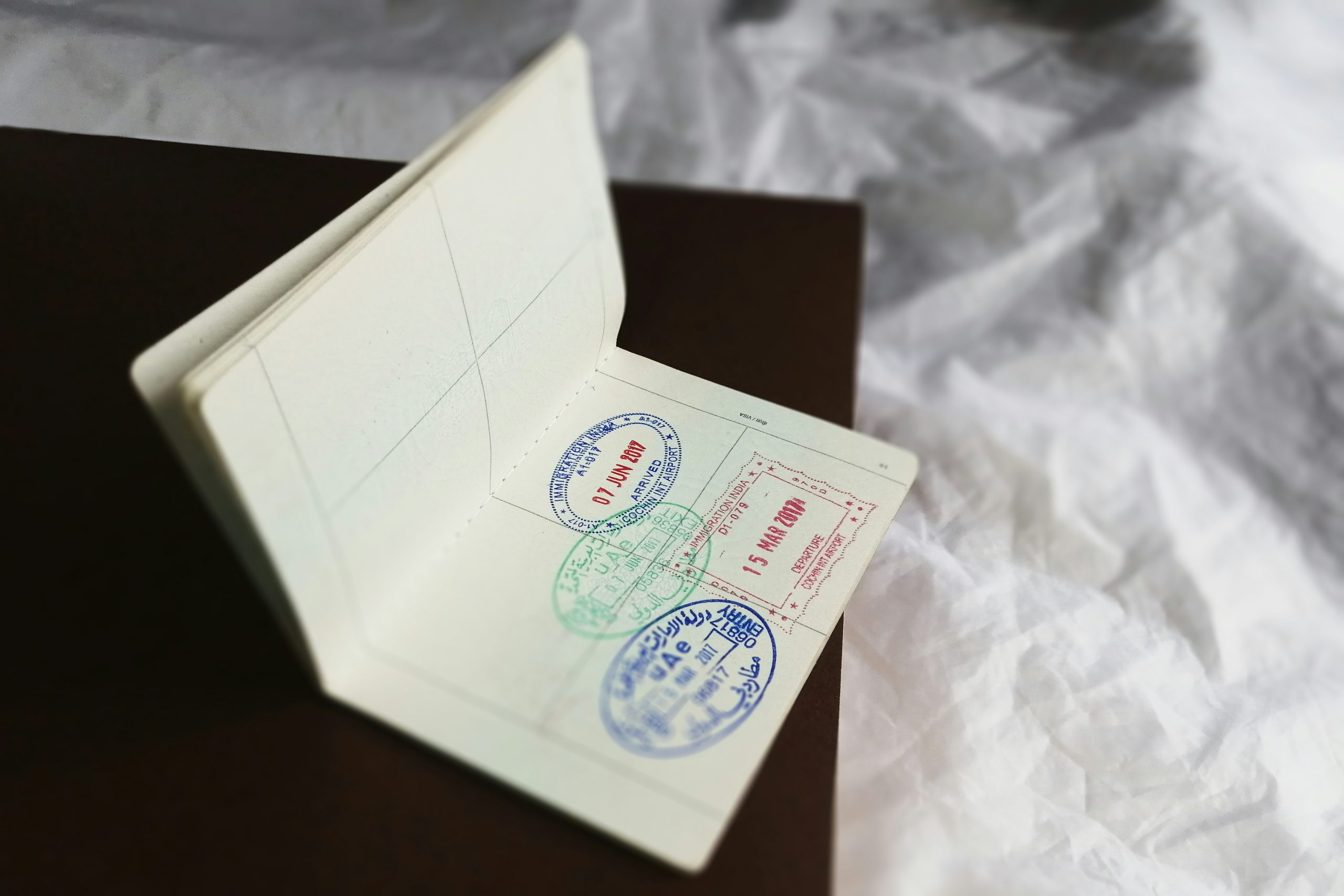
Being in the possession of ‘Estonian citizenship’ you are blessed in receiving substantial benefits. An extreme positive is having one of the world’s most powerful passports.
Creating super opportunities within the business and offering smooth and easy travel transitions all over the world, Estonian citizens can take advantage of the 180 countries displaying visa-free and visa-on-arrival access.
Considering that Estonia is a member of the European Union, Estonian citizens have the choice to live and work, including to study openly in any EU member state. This expands the chance significantly to gain knowledge across a range of social, economic, as well as educational aspects across Europe.
By gaining physical residency, respect, and an attachment to the country’s values, it’s ensured that new citizens are well-equipped and dedicated society members who reap the benefits by relishing in the privileges of EU citizenship.
Alternative Residency Programs in Estonia Different Routes to Get the Estonian Residency
Apart from digital nomads, there are many different residency pathways well suited to investors, professionals of business and entrepreneurs.
These individuals therefore find Estonia an appealing, top destination, wanting to live and work in an effectual, well advanced digital nation. Estonia offers the chance to gain flexible options for people hoping to establish themselves within the country through particular investments, a startup launch or corporate transfers. Below describes the different possibilities.
1. Major Investor Visa
Suitable for foreigners exclusively investing in an Estonian company by €1 million at least. This Major Investor Visa permits residency and the opportunity for the investor to contribute significantly towards the nation’s economy.
2. Startup Visa for Entrepreneurs
The start up visa was created for entrepreneurs with pioneering business ideas. Successful applicants need to have their business plans for their own company accepted by the Estonian Startup Committee. This will then obviously enable them to grow their startup in Estonia and establish themselves.
There are two separate investing options for these sole proprietors, the first being a minimum investment of €16,000 for a smaller business and the second being a much larger scale endeavour of €65,000. The latter option is particularly attractive for businesspersons interested in relocating themselves or part of their business to Estonia physically.
3. Intra-Corporate Transfer Visa
Designed especially for multinational employees. This ICT visa expedites the transfer of important personnel to an Estonian branch. It enables growth of the business as well as a professional development for the EU market. This option is particularly attractive for businesspersons interested in relocating part of their business or themselves physically to Estonia.
Estonia’s Digital Nomad Visa: Final Thoughts
The Estonian government introducing the Estonia Digital Nomad Visa is a compelling chance for explorative remote workers from other countries to legally leave their home country to work in and reside within a thriving community.
Being one of Europe’s most digitally advanced countries this is proving to be a popular choice. Whether you’re a freelancer, entrepreneur, or remote employee you can benefit from this option. This visa presents many benefits and opportunities for living in Estonia, all the while maintaining your job to work remotely and progressing in your global freedom and professional independence, providing you have the documents required.

Apply for the Estonia Digital Nomad Visa with Lincoln Global Partners
Lincoln Global Partners, an international investment migration firm is ready to assist you every step of the way with your Investor Visa application in Estonia.
Estonia Digital Nomad : Frequently asked Questions
Checkout our FAQ's or reach out to us directly via the contact form at the bottom of the page with further questions.What's the difference between a short stay (C-visa) and a long stay (D-visa)?C-visa: This allows short stays up to 90 days.
D-visa: This is suitable for long term stays for up to one year.
You can work within an Estonian company, but only providing that the main objective for staying in Estonia is that you stay settled, working by the use of telecommunications technology for a foreign employer or clients.
Can I bring my family?Yes. A DNV-holder’s spouse and minor children can apply for a visa under the same conditions.
Can I extend my Digital Nomad Visa?A renewal or extension isn’t possible unfortunately. It is possible however to apply for your second digital nomad visa application, back in your home country for six months maximum, if you have already had an Estonian long-stay visa for up to a year.
We also highlight that, if you get a job in Estonia, it is possible to change your residency permit and remain in the country. Contact our team for more details on the form above.