




















Italy’s Digital Nomad Visa is a very suitable option for many remote workers and freelancers who wish to work in Italy while living there. Italy is one of Europe’s most popular tourist destinations, offering an appealing, picturesque, and extremely vibrant culture.
The digital nomad visa allows digital nomads who are non-EU to inhabit Italy for a year. There’s a possible option for renewal so long as all the criteria is still met.
The visa provides visa-free access to the Schengen Area environment, creating easy travel across all together, 26 European countries.
Applicants should demonstrate a stability within their income, health insurance coverage, and some acquired accommodation.
The Italian digital nomad visa is a temporary residence permit, with the possibility to turn into permanent residency. After 5 years of Permanent Residency, the foreigner can become eligible for italian citizenship.
This mixture of professional flexibility and traveling opportunities, as well as a potentially permanent settlement, highlights Italy’s Digital Nomad Visa as a highly attractive choice for digital professionals worldwide.
Can an American Work Remotely in Italy?
Yes, Americans are allowed to work remotely in Italy, under the Italian Digital Nomad Visa, as long as they can prove sufficient financial means from remote work. Read on our guide below for everything you need to know on the Italian Digital Nomad Visa.
Book A Consultation
Benefits of the Italy Digital Nomad Visa Why Choose Italy for Remote Work?
It is almost needless to argue on why one would choose Italy to explore, as a digital nomad. The country boasts energy, enchanting landscapes, and an incomparable charm; from its worldwide-famous cuisine to its magical beaches.
The Italian Digital Nomad Visa is one of the latest programs of its kind in the European Union.
Digital Nomads can not only enjoy the perks of the country’s history and welcoming community but also more technical advantages, such as the rights to:
- Reside in Italy – Enjoy the remarkable landscapes, world-renowned cuisine, and the vast cultural heritage of Italy. From North to South, you will encounter a variety of experiences, and people and go through life-changing experiences.The reality is that the country has developed differently in the different regions and- counting with the geographical change (it is warmer in the South)- you might just find the perfect place for you, different options for different preferences, we could say!
- Stay for 1 Year – Lasting for 1 year, this visa can be extended as long as the criteria is still met.
- Include Family Members – Your family members can join you, subject to approval by Italy’s police headquarters.
- Not Oblige to a Minimum Stay Requirement – No specified minimum stay requirement to maintain the visa.
- A High Quality of Life -Experience the high quality of life, excellent healthcare, and education systems in Italy. According to the “2022 Quality of Life Indicators” from the Eurostat, Italy shows a 7.2 grade on a scale of 0-10.
- Work Remotely – Continue your remote work for a foreign employer or as a self-employed professional.
- Travel within the Schengen Area – Visa holders can travel within the 27 countries in the Schengen Area, without any additional visas.
- Tax Benefits – Enjoy a 70 percent tax reduction on global income for those who acquire new Digital Nomad Visas and register their residency in Italy.
- The Comfort of a Regulated Stay in Europe– The Italian government oversees the regulations and requirements for the visa.
- Pathway to Citizenship: Although the Italian Digital Nomad Visa grants only temporary residency in the country, after 5 years, one can request a switch to the Permanent Residence permit. After 5 years as a Permanent Resident, the foreigner becomes eligible for citizenship.



Book A ConsultationEach country has its pros and cons and the goal of our business is to help people to access the best aspects of what different countries have to offer, from the lifestyle, business and tax benefits, to the power of a countries passport.
However, if I was forced to pick just one country to spend my time in, I would have to choose Brazil. In my humble opinion, No where in the world can make you feel so alive – Brazil is the most vibrant country on earth – David Lincoln

How do I Qualify for a Digital Nomad Visa in Italy in 2024?
What is the income requirement for a digital nomad visa in Italy?
The eligibility for the Italy Digital Nomad Visa is that the remote worker has to meet a specific financial criteria to prove that during their stay in Italy they can support themselves.
Income Requirement Anually:
Applicants for this visa must receive an annual gross income of €28,000 – €29,800 at least. This income must have been earned one year prior to their visa application or be promised by contractual compensation for services provided to Italian clients or an Italian company. The income can be from any source, such as:
- Salary or Wages: Income from employment.
- Working Freelance: Earnings from contracts.
- Income for Rentals: Property rentals revenue.
- Royalties: Income received from intellectual property rights.
- Corporate Dividends: Investment earnings from corporations.
Applicants need to show documentation to prove their financial status, it needs to ensure that they have ample means to support themselves throughout their stay in Italy. Digital nomads are required to pay tax in Italy, it is also mandatory to pay income tax and social security contributions.
There are advantageous tax schemes as well as tax treaties which help make it possible in order to steer clear of double taxation.

Not sure how this fits your strategy?
A focused consultation to assess your objectives and shortlist the right options.
Other Requirements for Italy’s Digital Nomad Visa
Digital nomads wishing to apply for Italy’s digital nomad visa need to make certain that they meet the following necessities before applying to acquire a residence permit:
- A non-EU / non-EEA national
- Hold a clean criminal record.
- Show proof of suitable accommodation in an Italian state.
- Have health insurance to cover their hospitalisation or medical expenses in Italy for the first 30 days of their entry.
- Demonstrate a certificate of ‘no impediment’ for them to provide their freelance services and highly qualified work activities in Italy.
- Show proof of sufficient economic funds to maintain their stay and perform their services.
The digital nomad visa offers residency rights but this doesn’t mean it leads to direct citizenship in Italy. An alternative called the Golden Visa program can eventually drive towards permanent residency and also citizenship.
How to Get a Digital Nomad Visa for Italy? Eligibility Criteria
Before rolling up our sleeves and starting to collect all the necessary documents, it is crucial to understand if you meet the eligibility criteria for the Italian Digital Nomad Visa.
See below the main requirements digital nomads must meet:
The Italy digital nomad visa is specifically appropriate for non-EU professionals who are highly skilled and work remotely, needing use of the Internet (technological tools capable).
It also includes remote workers who need technological tools for highly qualified work activities.
Highly skilled people are defined as having obtained at least one of the options below:
- A college degree (for a minimum 3 years) received from an accredited higher education institution.
- An accredited professional license.
- Accredited superior professional experience.
Remote workers must meet specific requirements and conditions for remote work and residency in Italy to be eligible for the visa.
Italy Digital Nomad Visa Required Documentation
Documents needed to apply for Italy’s digital nomad visa:
Italy’s government has now announced the authorised, detailed, requirements for Italy’s digital nomad visa. This comes after much waiting.
A significant gain of the Italian digital nomad visa is, applicants now don’t need to receive the “nulla osta” document which is a work authorization paper for all non-EU nationals, handed out by the Italian immigration officials.
The following is a finalized and official record of documents that are needed to be able to continue on the Italian digital nomad visa route:
- A valid passport is needed for 3 months at least after the visa expires.
- Two passport-sized photographs were recently taken on a white background.
- A digital nomad visa application form was obtained from the Italian Consular office for your location.
- Work contract with a company.
- Supporting yourself by declaring ample financial means throughout your stay in Italy ( minimum annual income of €28,000 – €29,800 which can be from sources such as royalties, corporate dividends, rental income, etc).
- Proving work experience in the industry, in which you plan to work remotely, for at least the last 6 months, (applicants who don’t hold a university degree need to provide records of the last 5 years of work experience).
- Accommodation proof which could be a notarised copy of either a rental agreement or a property purchase contract.
- A criminal background affidavit signed by the employer stating that they haven’t been convicted of immigration crimes over the last 5 years.
- Medical insurance that covers medical treatment and hospitalization for the entire length of your stay in Italy (alternatively, you can sign up with the Italian National Health Service, which costs €2,000 (~ $2,144) per year).
- Proof of the visa application fee payment — €116 (~ $123.26) per person.

Step-by-Step Application Process for the Italy Digital Nomad Visa How to Get Your Visa
The Italian Digital Nomad Visa application process is designed to be as simple and straightforward as possible. Here’s a step-by-step guide to help you navigate the process:
Book A ConsultationStep 1: Initial consultation with Lincoln Global Partners
During our consultation we will discuss your specific case to understand your needs, present to you how the Italy Digital Nomad visa works, elaborating on the process and the required routes to achieve your Residency goals.Step 2: Secure Accomodation
Before applying, you will need to secure a rental agreement or proof of accommodation in Italy.This will be part of your application to show where you will be staying during your time in the country.
Step 3: Gather Your Documents
The first step is to collect all the required documents, as listed above. Having all the documents prepared before submitting your application is of essence to guarantee a smooth-sailing application process.This includes requesting your Criminal Record (if you are an American, you will need to request with the FBI and it might take a couple days until it is issued, for example) and translating all documents.
You will also need to make sure your documents are apostilled or legalised, if the country is not a member of the Hague Convention.
Step 4: Book an appointment with a relevant Italian Consulate
This appointment needs to be scheduled with the appropriate Italian Consulate which is responsible for the particular geographical district of your residency, but also in 2 - 4 months ahead of time.Step 5: Pay the visa application fee
Pay the required visa application fee (€116).Step 6: Submit all required documents & Wait for approval
Submit all of the mentioned documents (dated no earlier than 3 months) to the relevant Italian diplomatic or consular Representative in your country of origin or permanent residence. Wait for 30 to 90 days for the visa processing and issuing.
After Receiving Your Visa: The Next Steps for the Italian Digital Nomad Residence Permit
After receiving your Italy digital nomad visa, follow these steps:Permit to Stay (“Permesso di Soggiorno”) - Apply within the first 8 days of arriving in Italy.
Tax identification number (“Codice Fiscale”) - Apply for a “Codice Fiscale” issued from the Italian Revenue Agency. Possibly, due to all cases being different you might need to apply for a tax identification number before for example, if you are purchasing property in Italy.
VAT number - Apply for a VAT number. This can be approached at your local tax office in Italy. It's obligatory for individuals who place their time in business or agricultural activity as well as artistic or professional activity regularly. It includes anyone who earns over €65,000 ($71,024.20) from being self-employed.
Italy's digital nomad visa offers various benefits for the remote workers, it includes the chance to live while working in Italy, while all the time being able to enjoy and explore the rich culture. In order to maintain this visa status, make sure that the necessary steps are followed, like renewing your permit for a longer stay and obeying the tax regulations.

Living in Italy as a Digital Nomad
For the Italy Nomad Visa, applicants are expected to spend a slight amount of time here to maintain their chosen visa status. This entitles visa holders the opportunity to experience actual life in Italy, at the same time as fulfilling their remote work responsibilities.
This also differs from other European digital nomad programs, such as Portugal and Spain- which require digital nomads to spend at least 183 days in the country to renew the residency permit. Although, realistically, these 183 days might be spent in different countries within the Schengen Area.
Italy is an exceptional country for digital nomads, offering the perfect blend of work and life balance with stimulating surroundings, and contemporary amenities. This country’s diverse landscapes, from the stunning Amalfi Coast right up to the rolling hills of Tuscany, offer picturesque backdrops for remote workers.
There is excellent internet connectivity throughout co-working spaces, and digital nomads will encounter a friendly, understanding, and vibrant community, with like-minded professionals.
The opportunity to come together can be life-changing, in both professional and personal ways, especially in cities like Milan, Florence, and Rome.
Italy’s well-known cultural heritage, delicious cuisine, and exciting atmosphere make it a promising place to work while living and exploring. In recent years, Italy has been noticed as a trending destination for expatriates, especially when considered one of the world’s favorite holiday destinations. It was ranked in the top 10 of the Expat Insider 2021 survey from InterNations, under the scope to measure satisfaction levels of expats, among other KPIS.
The recent introduction of Italy’s digital nomad visa shows how remote workers can now positively enjoy the lifestyle the country offers, including added benefits consisting of a straightforward application process and clear eligibility criteria.
Key Reasons for Digital Nomads to Choose Italy
If you are still not completely sure that Italy is the destination for your next digital nomad adventure, here is a summary of what we’ve discussed so far, with the key reasons you should consider this charming country.
– Incredible Settings for Work Environments: From the pretty coastal towns right through to the mountain retreats, Italy gives a variety of beautiful scenery that can inspire productivity and creativity.
– Top Quality Internet Connectivity and Co-working Spaces: The Major cities and smaller towns as well are equipped with dependable internet and a large choice of co-working spaces.
– Rich Cultural History: Bask in the art and architecture of Italy during your free time, with endless galleries, museums, and historical sites to tour.
– Mouth-Watering Cuisine: Appreciate world-renowned Italian cuisine, from traditional pizzas, fresh pasta dishes, luxurious wines and regional specials.
– Pleasant and Embracing Atmosphere: The Italians are well known for their open hospitality, this creates an easiness to feel at home here and a warm integration into the local community.
– Expat Welcoming Environment: Italy is recognized as a target destination for expatriates. It offers an assuring and friendly environment for expats who want to embrace a new life.
– Digital Nomad Visa: This visa initiative creates a simple, ideal, process for freelancers and remote workers to work legally while living in Italy.
– Other European Travel: Italy within the heart of Europe, offers convenient access to many European countries. This makes it easy and efficient to arrange weekend trips and also extend travel arrangements.
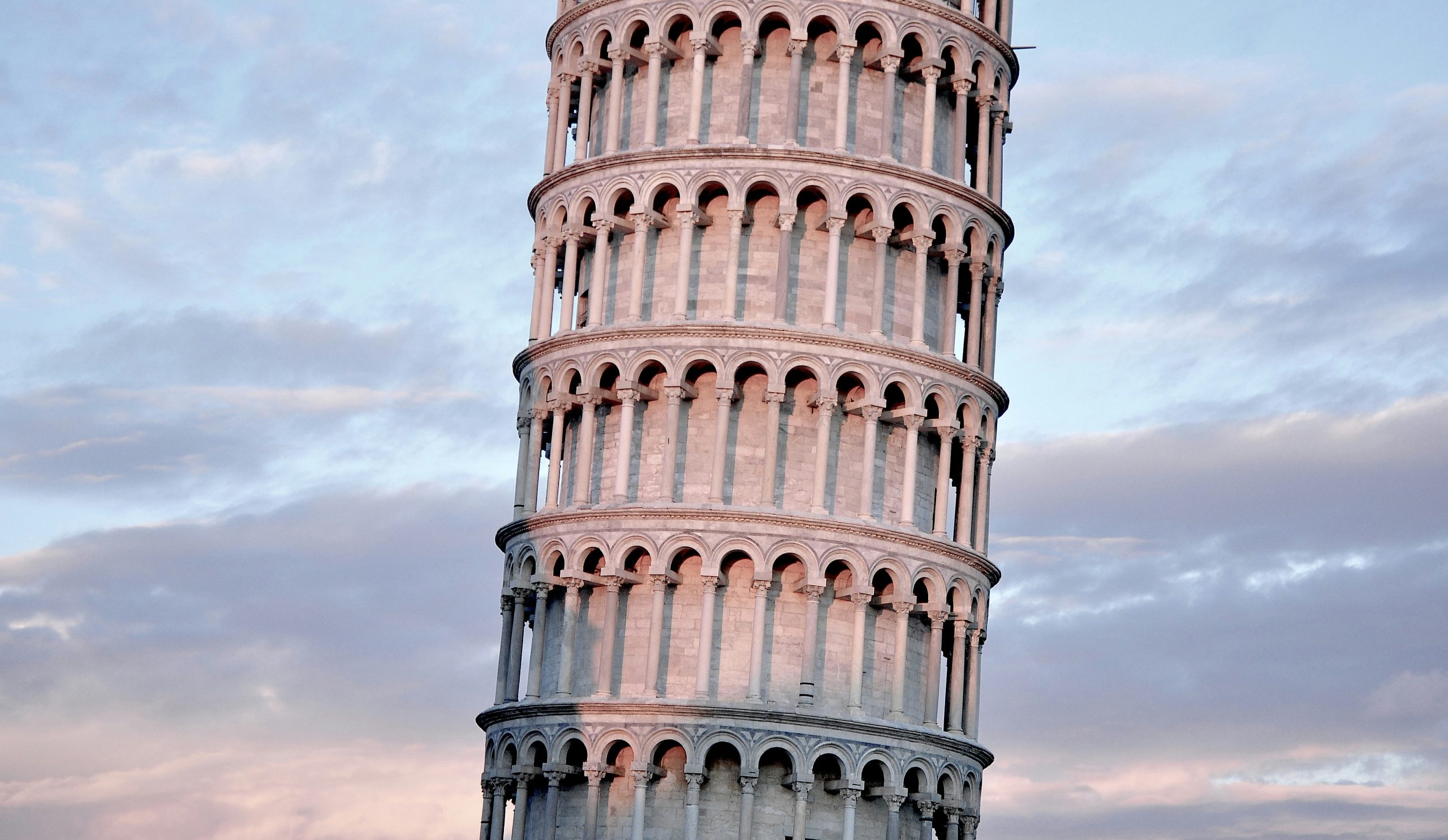
Astounding Italian Cities Where to Live as a Digital Nomad in Italy?
There are awe-inspiring options for digital nomads, each of them offering their own unique charm.
- Rome: The bustling capital city mixes historical splendour with mod cons. It’s home to a variety co working spaces, a spirited cultural scene, and diverse districts to attract different preferences.
- Milan: Being described as Italy’s financial centre, Milan is ideal for nomads who love a cosmopolitan lifestyle. There are countless co-working spaces and networking opportunities. Italy has a reliable public transport system including an upbeat sociable atmosphere.
- Florence: This city gives picturesque views, a rich cultural life and is very popular with art enthusiasts. It’s much smaller than Rome and Milan, but comes with it an extremely welcoming expat community.
- Naples: For nomads seeking a more relaxed pace, Naples would be a great choice. Stunning coastal views are admired here also along with a rich culinary tradition. Naples is more affordable compared to the larger cities like Rome and Milan, and so offers a lower cost of living.
- Bologna: This city holds the oldest university in the world which has never been out of operation, so this area holds a vibrant student population. This historic city offers a dynamic atmosphere and superb food. It’s easy to explore other Italian areas due to Bologna being centrally located.
- Turin: Turin has a blend of industrial strength and a large growing tech scene, this makes it a top choice for digital nomads. Turin distributes outstanding architecture, an exceptional quality of life, with a rich historic knowledge.
Can I Apply for the Italy Digital Nomad Visa From Abroad?
Yes, you can apply for the Italy digital nomad visa from anywhere in the world. If you are abroad, you can apply from the nearest consulate. First you should receive your Italian Digital Nomad Visa and then travel to Italy to complete the process.
Our team will be able to assist you in both cases. Meetings can be conducted online via Google Meet or Zoom or, if you prefer, we can arrange a in-person visit to our lawyer’s office in Italy.
Living Costs for Digital Nomads in Italy
In Italy living costs can vary regarding the city and lifestyle. The followings shows the variation:
- Rome: A more expensive city with renting a one-bedroom apartment in the city centre ranging from €1,200 – €2,500. Co-working areas are priced between €200 – €500 per month. Social life such as dining and entertainment are obviously more costly here too.
- Milan: The financial hub which is Milan is also expensive. You will likely pay €1,500 – €3,000 for a one-bedroom apartment within the city centre. Co-working spaces cost €250 – €600 per month here. The cost of living however does reflect the city’s possible business opportunities.
- Florence: Being slightly more affordable in Florence you could rent a one-bedroom apartments in the city centre costing between €900 – €1,800. Co-working spaces do range from €150 – €400. So it’s easier here to keep the budget in check due to the lower costs with buying food but also social activities.
- Naples:This is a more budget friendly alternative, with renting a one bedroom apartment costing between €700 – €1,500. Co-working areas here cost €150 – €350 per month. Much lower food and leisure activities here show Naples as an attractive choice.
- Bologna: This city offers a moderate cost of living. Renting a one bedroom apartment range from €800 – €1,500. The price for co-working spaces are between €150 – €350. Overall the affordability in Bologna is very appealing for the hopeful digital nomads.
- Turin: Relatively affordable within this city with renting a one bedroom apartment which costs between €800 – €1,500. Co-working spaces would cost €150 – €350 per month. Socialising such as entertainment costs and dining are also lower here, making Turin another prominent option for the budget thinking nomads.
Do Digital Nomads Pay Taxes in Italy?
As a successfully approved digital nomad setting up in Italy, you will need to understand the navigation of the local tax system. Below shows a breakdown of important areas you should know.
By the amendment to Law converting Decree-Law n. 4/2022 (Sostegni ter), digital nomads are subject to Italian taxes. But there are good news, Italy offers some favourable tax regimes that can ease your financial burden.
Tax Regimes for New Residents
Regime Forfetario
-
- Who Is It For? Self-employed individuals.
- What’s the Income Threshold? Gross annual income up to €65,000 (~$71,024.20).
- What is the Tax Benefit? Pay a reduced flat tax rate of 5% on a portion of your gross earnings for the first five years.

Other Italian Visas You Should Know
If the Italian digital nomad visa is not a match for you, there are different routes one can explore to obtain an Italian residence permit.
Italian Elective Visa: The Italian Elective Residency Visa is a type of long-stay visa specifically designed for foreigners who wish to reside in Italy without engaging in any work activities. It’s particularly popular among retirees seeking a tranquil lifestyle. To qualify, applicants must showcase proof of financial means to support themselves in Italy, without relying on employment. A minimum of at least € 31,000 is required for a Single applicant.
Italian Representative Office: The Italian Representative Office Visa (ROV), in summary, enables foreign businesses to establish a presence in the country without engaging in commercial activities. To better explain, it allows companies to set up a non-commercial office in Italy, once Italian Law allows the company’s chosen director- or anyone appointed to the Italian Representative Office- to acquire a Type D Schengen Visa (long-term), to perform and expand the respective business activities in Italy.
Contact our team for further details & book a consultation to understand which visa is for you.
Apply for the Italy Digital Nomad Visa with Lincoln Global Partners
Lincoln Global Partners, an international investment migration firm is ready to assist you every step of the way with your Investor Visa application in Italy.
Italy Digital Nomad : Frequently asked Questions
Checkout our FAQ's or reach out to us directly via the contact form at the bottom of the page with further questions.Does Italy have a digital nomad visa?Yes, Italy officially launched its digital nomad visa on April 4, 2024.
Who can apply for the Italy digital nomad visa?– Non-EU citizens
– Self-employed professionals, also known as “digital nomads”
– Individuals employed by a company, referred to as “remote workers”
– Individuals performing highly qualified work using telecommunications technology
– Workers earning at least €28,000 – $29,800 annually
Between €116 – $123.26 (governmental fees) + legal fees (consulting and processing).
Consult our team for a cost breakdown.
What is the length of Italy’s digital nomad visa?The Italy Digital Nomad visa is valid for up to 12 months and can be renewed.
Is there a minimum stay requirement?No, there are no minimum stay requirements for the Italy Digital Nomad Visa.
Is it possible to extend the visa?Yes, you are allowed to renew your visa.
What are the minimum income requirements for the Italy Digital Nomad Visa?The minimum income requirements for the Italian Digital Nomad visa are €28,000 – $29,800 per year.
What is the processing time for the visa application?The processing time for the Italy Digital Nomad Visa takes between 30-90 days.
Can I bring my family with me?Yes, but approval is at Italy’s police headquarters’ discretion.
Do I need health insurance to apply for the visa?Yes, you need health insurance coverage for the full time of your stay.
Can I get Italian Citizenship with the Digital Nomad Visa?You would need to live at least 10 years in Italy (minimum of 183 days per year) to qualify for Citizenship. (5 Years as a Temporary Resident and 5 Years as a Permanent Resident).
What should I do if my visa application is delayed or rejected?If your application is delayed or rejected, consult with an immigration attorney who can help address any issues and guide you through the appeals process or reapplication.
Can I work in Italy with the Digital Nomad Visa?No, you are not allowed to work for an Italian-based company under a digital nomad visa.
What other European countries have digital nomad visa programs?Portugal, Spain, Hungary, Malta and Latvia are some of the most popular European countries offering digital nomad visa programs.